Naan Bread Problems: Fix Common Issues with Homemade Naan
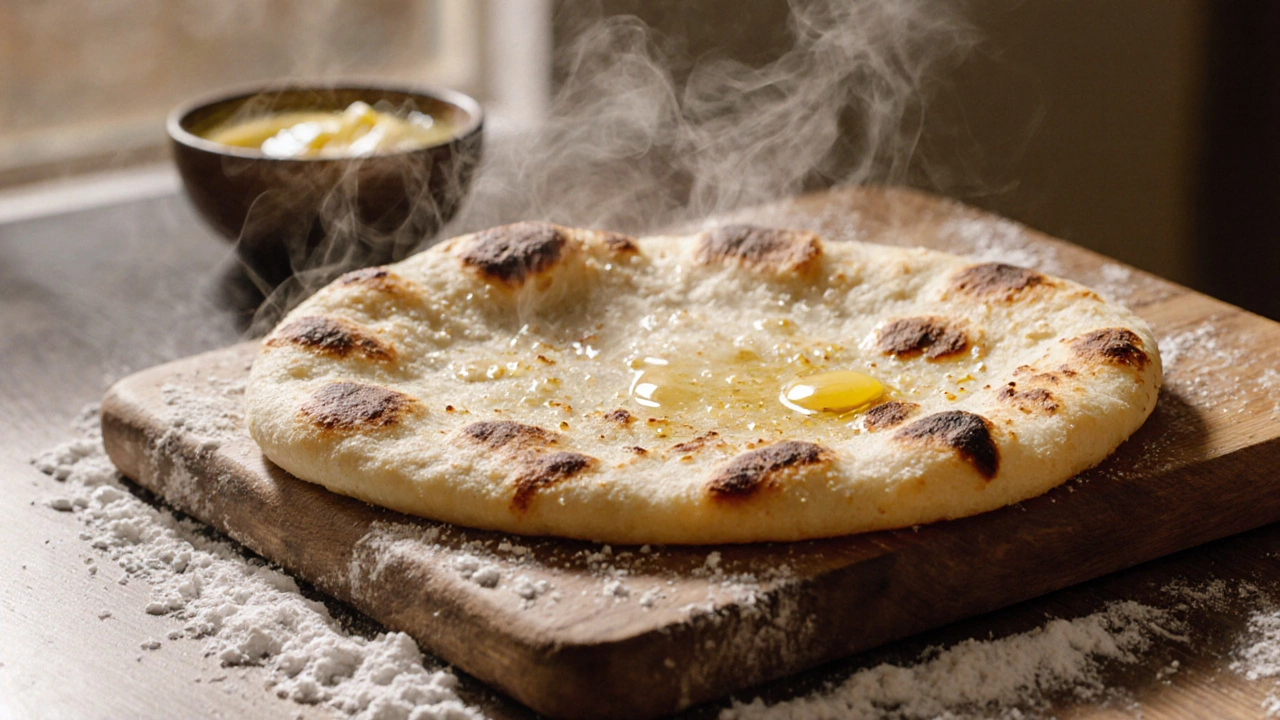
When you make naan bread, a soft, pillowy Indian flatbread traditionally cooked in a tandoor oven. Also known as Indian leavened bread, it’s meant to puff up like a balloon and have a slightly charred, buttery crust. But if your naan comes out flat, tough, or stuck to the pan, you’re not alone—most home cooks hit these same naan bread problems at least once.
The biggest issue? naan not puffing, when the bread stays flat instead of ballooning into that iconic bubble. This usually happens because the dough isn’t warm enough, the oven or skillet isn’t hot enough, or the yeast didn’t activate properly. You can’t force it to puff—heat and gas need to work together. Another common problem is naan too dense, a heavy, chewy result that feels more like a biscuit than bread. That’s often from over-kneading, using cold ingredients, or skipping the resting time. And then there’s naan sticking to the pan, a frustrating mess caused by insufficient oil, wrong surface, or flipping too early.
These problems aren’t about skill—they’re about timing, temperature, and technique. If your naan won’t puff, try letting the dough rest for at least 2 hours after kneading, and make sure your skillet or tawa is smoking hot before you lay the dough down. For dense naan, check your yeast freshness and use lukewarm milk or water to activate it. And for sticking? Brush the pan with ghee or oil right before placing the naan, and don’t press it down with a spatula. The dough needs space to rise, not pressure to flatten it.
Looking through the recipes and tips from home cooks, these issues keep coming up: uneven browning, dry edges, dough that’s too sticky to handle, or naan that cools into a rubbery lump. The fix isn’t more spices or fancy tools—it’s understanding how heat interacts with yeast, gluten, and fat. You don’t need a tandoor. A cast-iron skillet, a gas flame, or even your broiler can work. But you do need to pay attention to the details: how long you let the dough rise, how hot your surface is, and when you flip it. These small things make the difference between ordinary flatbread and that perfect, blistered, buttery naan that pulls apart in soft layers.
Below, you’ll find real fixes from people who’ve been there—solutions that actually work, based on what’s been tested in Indian kitchens, not just theory. Whether your naan is too thick, too thin, too chewy, or just won’t rise, you’ll find the exact step that’s missing—and how to get it right next time.