Butter Chicken: The Most Selling Indian Dish Worldwide
Discover why Butter Chicken tops Indian dish sales worldwide, its key ingredients, simple home recipe, variations, and tips for restaurant‑quality flavor.
When people think of Indian food, one dish often comes to mind first—the most selling Indian dish, a dish so widely loved it’s ordered in restaurants from Mumbai to Manhattan, and made in homes from Delhi to Dubai. Also known as India’s signature meal, it’s not just popular—it’s a cultural anchor. But here’s the twist: there’s no single answer. The title of most selling Indian dish shifts depending on where you are, who you ask, and what time of day it is. In North India, it’s often butter chicken, a creamy, mildly spiced dish with tender chicken in a tomato-based sauce that’s been a crowd-pleaser since the 1950s. In South India, it’s biryani, a layered rice dish with spices, meat or vegetables, and saffron that turns meals into events. And in tandoor-heavy regions, tandoori chicken, charred, smoky, and marinated in yogurt and spices flies off the plate faster than any other protein.
Why do these dishes win? They’re not just tasty—they’re accessible. Butter chicken doesn’t scare newcomers with heat. Biryani feels special without needing fancy tools. Tandoori chicken tastes bold but requires just a grill or oven. These aren’t niche recipes. They’re the dishes restaurants put on every menu, food delivery apps promote first, and families cook on Sundays. You’ll find them in five-star hotels and roadside dhabas alike. Even in countries with little exposure to Indian food, these three are the gateway. They’re the reason someone tries paneer tikka masala next, or orders dal makhani because they liked the sauce on their butter chicken.
What makes them sell more than others? Simplicity wrapped in depth. They use common ingredients—tomatoes, yogurt, garlic, ginger, cumin—but transform them through technique. Butter chicken’s magic isn’t in the spice mix—it’s in the slow simmer. Biryani’s power isn’t in the rice—it’s in the layering and resting. Tandoori chicken’s appeal isn’t just the char—it’s the marinade that keeps the meat juicy even after high heat. These aren’t accidents. They’re perfected over decades, passed down, tweaked, and scaled. And that’s why they dominate. They’re not just food. They’re the most trusted flavors in Indian cuisine.
Below, you’ll find real, practical posts that break down exactly how these dishes work—why butter chicken is so creamy, why biryani needs to rest, why tandoori chicken turns dark inside without burning. No fluff. No guesses. Just clear, tested insights from people who cook these every day. Whether you’re trying to make them at home or just understand why they’re everywhere, this collection gives you the real story behind the best-selling Indian dishes.
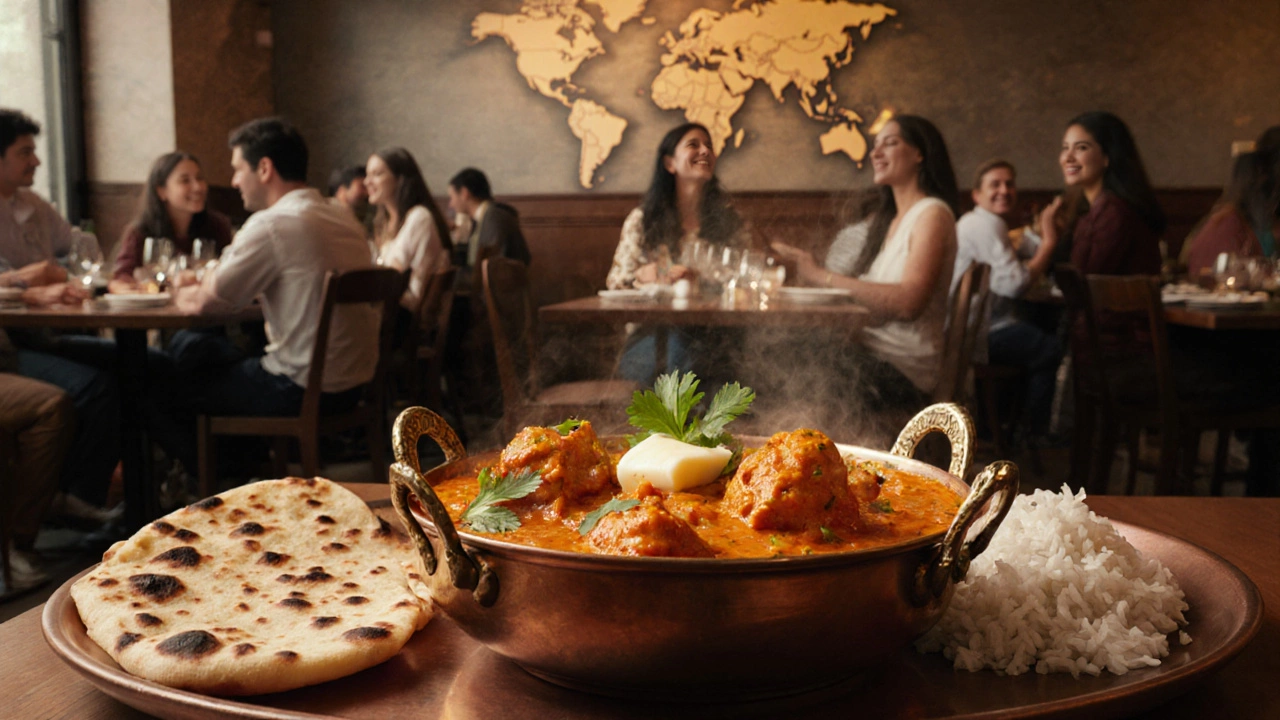
Discover why Butter Chicken tops Indian dish sales worldwide, its key ingredients, simple home recipe, variations, and tips for restaurant‑quality flavor.