Traditional West Indian Breakfast Foods: Flavors, Facts & Favorites
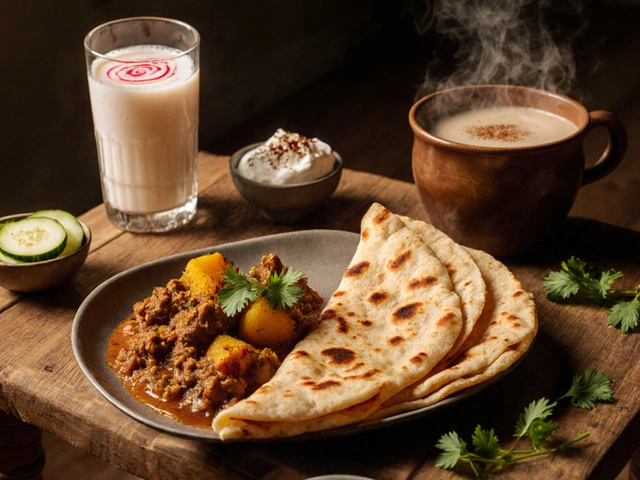
West Indian breakfasts are bold, savory, and rooted in culture. Explore authentic Caribbean breakfast food, unique tips, and regional favorites.
When we talk about Island cuisine, the distinct food traditions of India’s coastal islands and shoreline regions, shaped by monsoons, fishing, and colonial trade. Also known as coastal Indian food, it’s not just about fish—it’s about how salt air, tropical heat, and centuries of trade turned simple ingredients into unforgettable meals. Unlike the rich, creamy curries of the north, Island cuisine thrives on brightness: tamarind, kokum, coconut milk, and fresh seafood cooked fast over open flames or steamed in banana leaves. This isn’t fancy restaurant fare. It’s what families eat on porches with the breeze rolling in, where every dish carries the taste of the ocean and the rhythm of the tide.
What makes Island cuisine different? It’s the coastal spices, the unique blend of black pepper, dried red chilies, mustard seeds, and curry leaves that grow wild along India’s western and eastern coasts. In Kerala, they use kokum instead of tamarind for sourness. In Goa, vinegar and palm jaggery give vindaloo its tangy depth. In the Andamans, fish is smoked over coconut husks. These aren’t random choices—they’re survival tactics turned into art. You won’t find heavy cream or ghee here. Instead, you’ll get coconut oil frying mustard seeds, dried fish simmered in tamarind broth, or steamed mackerel wrapped in turmeric leaves. It’s food that doesn’t need to be loud to be unforgettable.
And then there’s the seafood, the star of every coastal table, from tiny prawns to giant kingfish, prepared in ways that honor freshness over complexity. In Lakshadweep, they dry fish under the sun and grind it into powder to flavor rice. In Puducherry, crab is cooked with curry leaves and coconut milk until the shells soften. These aren’t exotic experiments—they’re daily meals passed down through generations. You don’t need a fancy kitchen to make them. Just a hot stove, a little oil, and the right spice mix. That’s the beauty of Island cuisine: it’s humble, it’s honest, and it tastes like the sea itself.
What you’ll find in the posts below are the real recipes, the mistakes people make, and the little tricks that turn good coastal dishes into great ones. Learn why soaking dried fish matters, how to pick the freshest shrimp in a Mumbai market, and why coconut oil is non-negotiable for perfect dosas on the coast. You’ll see how tamarind replaces tomatoes in some regions, how vinegar became part of Goan life because of Portuguese traders, and why no one in Kerala uses yogurt in their fish curry. This isn’t about copying a recipe—it’s about understanding why it works. And if you’ve ever wondered why Indian food beyond butter chicken tastes so different near the sea, you’re about to find out.

West Indian breakfasts are bold, savory, and rooted in culture. Explore authentic Caribbean breakfast food, unique tips, and regional favorites.