Indian Sweets: Traditional Desserts, Sugars, and Recipes You Need to Try

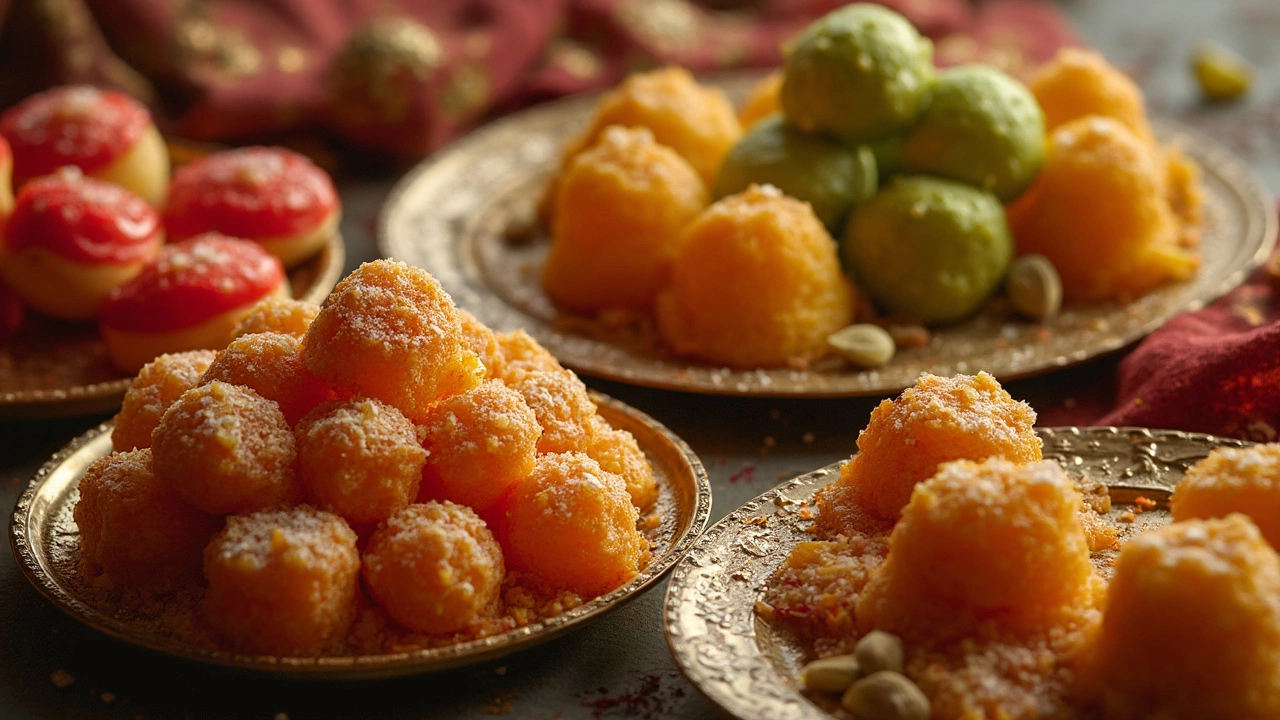
When you think of Indian sweets, a vibrant category of desserts rooted in regional traditions, religious rituals, and seasonal celebrations. Also known as mithai, it is more than just dessert—it's a language of joy, hospitality, and heritage. These aren't the same as Western cakes or cookies. They’re dense, syrup-soaked, often made with milk solids, and shaped by centuries of kitchen wisdom, not recipes from a book.

What makes them work? It’s not just sweetness—it’s the jaggery, unrefined cane sugar with deep molasses notes, used in southern and eastern India for its earthy richness. Also known as gur, it gives sweets like gur ka halwa their caramel depth. Then there’s sugar syrup, boiled to precise stages—thread, ball, or hard ball—to control texture in laddoos, barfis, and jalebis. Also known as chashni, it’s the glue that holds together the crunch and chew of classic treats. And don’t confuse these with plain white sugar. Using granulated sugar in mysore pak, a rich ghee-soaked dessert from Karnataka. Also known as mysore laddu, it will turn out greasy and grainy because the recipe depends on slow-cooked sugar melting into a smooth, buttery mass. Substitutions don’t just change flavor—they break the whole structure.

Indian sweets aren’t made in a hurry. They require patience: slow stirring, careful temperature control, and knowing when the milk has reduced just right. That’s why Indian sweets are often made in batches for festivals, weddings, or temple offerings. The same sweets you find in a Delhi sweet shop might be called something different in a Tamil village, made with coconut milk instead of khoya, or shaped into leaves instead of balls. But they all share the same soul: a slow, careful process that turns simple ingredients into something unforgettable.

What you’ll find in the posts below isn’t just recipes. It’s the real talk about why certain sugars work, what happens when you skip the soaking, and how to fix a crumbly barfi or a sticky jalebi. You’ll learn which sweets are made with milk solids, which rely on flour, and why some need ghee while others don’t. No fluff. Just what works—and what doesn’t—when you’re trying to recreate the taste of home.
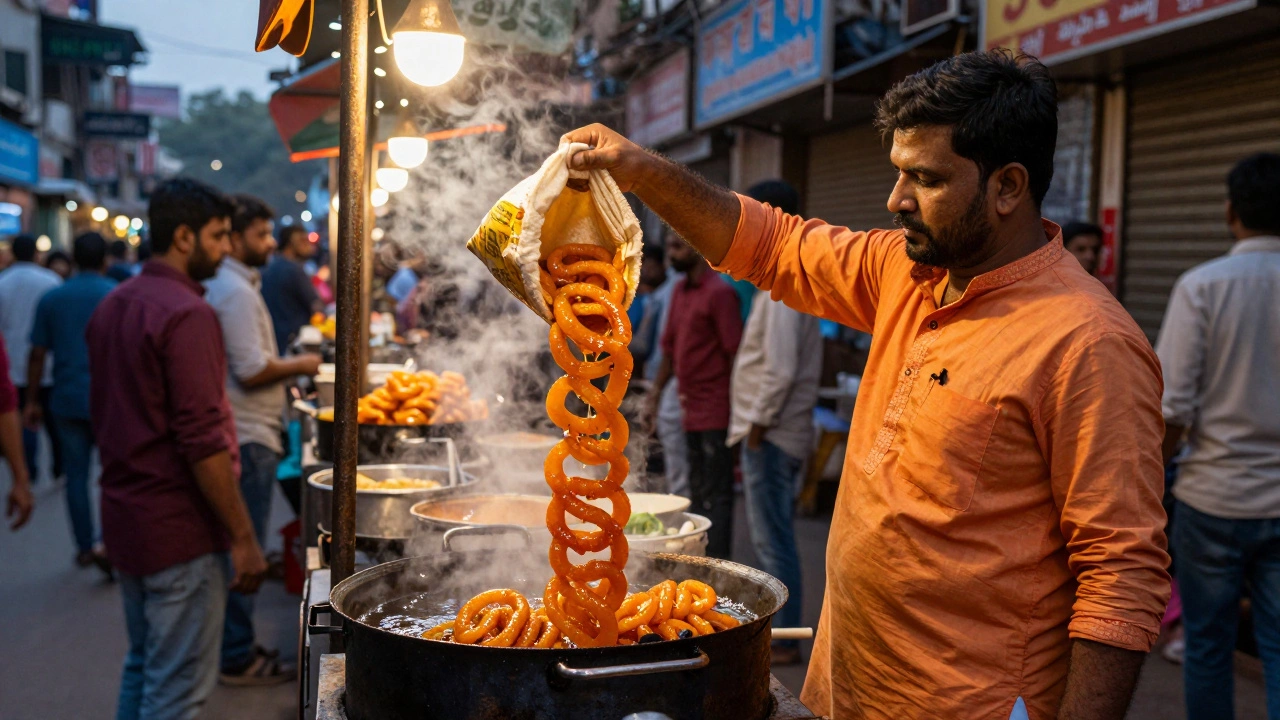
What Is India's National Dessert? The Sweet Truth Behind India's Most Beloved Treat

What Is India's National Dessert? The Sweet Truth Behind India's Most Beloved Treat

Jalebi is India's unofficial national dessert - a crispy, syrup-soaked fried treat found everywhere from street stalls to temples. Learn why it's loved across the country and how to eat it like a local.

Learn More
Sweet Spice in Indian Food: Unlocking Flavor in Sweets

Sweet Spice in Indian Food: Unlocking Flavor in Sweets

Ever wondered what makes Indian sweets taste so unique and warm? This article digs into the key spice that brings the sweet magic to Indian desserts. Learn how this spice works, where it pops up, and tips on how to use it in your own kitchen. There’s more than one sweet spice, but one in particular stands out across countless recipes. Find out simple tricks to get the flavor just right.

Learn More
Oldest Indian Dessert: Tracing the Roots of Sweet Beginnings

Oldest Indian Dessert: Tracing the Roots of Sweet Beginnings

Ever wondered what India’s very first dessert was? This article digs into ancient texts and kitchen clues to uncover the sweet story behind kheer, considered the oldest known Indian dessert. We’ll talk about where it came from, why it was special, and how you can still enjoy it today. You’ll also find fun facts along the way and tips for making your own kheer at home. Food history has never tasted so good.

Learn More
India's Most Popular Dessert: Why Gulab Jamun Reigns Supreme

India's Most Popular Dessert: Why Gulab Jamun Reigns Supreme

Gulab Jamun is hands-down the superstar of Indian desserts, loved across the country and the world for its melt-in-your-mouth sweetness. This article uncovers why it’s everyone’s go-to treat, from street stalls to fancy weddings. You’ll get a peek into its history, find out how it’s made, and discover why it stands out from hundreds of other sweets. Plus, get tips for making the perfect batch at home. Whether you’re a beginner or a dessert pro, there’s something in here for you.

Learn More
Traditional Indian Sweet Dish: Spotlight on Indian Mithai

Traditional Indian Sweet Dish: Spotlight on Indian Mithai

Curious about India's favorite traditional sweet dish? This article uncovers the most iconic Indian mithai, tracing its origins, ingredients, and cultural impact. Expect helpful tips for making these treats at home, plus fun facts that'll surprise even seasoned foodies. Whether you're a dessert enthusiast or just want to understand what makes Indian sweets so special, this guide has you covered. Perfect for anyone who craves insider info and practical advice on classic Indian desserts.

Learn More
Indian Sweets: What Sweets Do Indian People Like Most?

Indian Sweets: What Sweets Do Indian People Like Most?

This article breaks down the most popular sweets loved by people in India. You'll get a peek into traditional favorites and see how preferences shift across regions. Wondering why Indian sweets pack so much flavor or what makes them different from Western desserts? Get the scoop along with tips for making classic treats at home—great for anyone with a sweet tooth or curious about Indian flavors.

Learn More