Indian Sweet Recipes: Traditional Desserts, Sugars, and How to Get Them Right
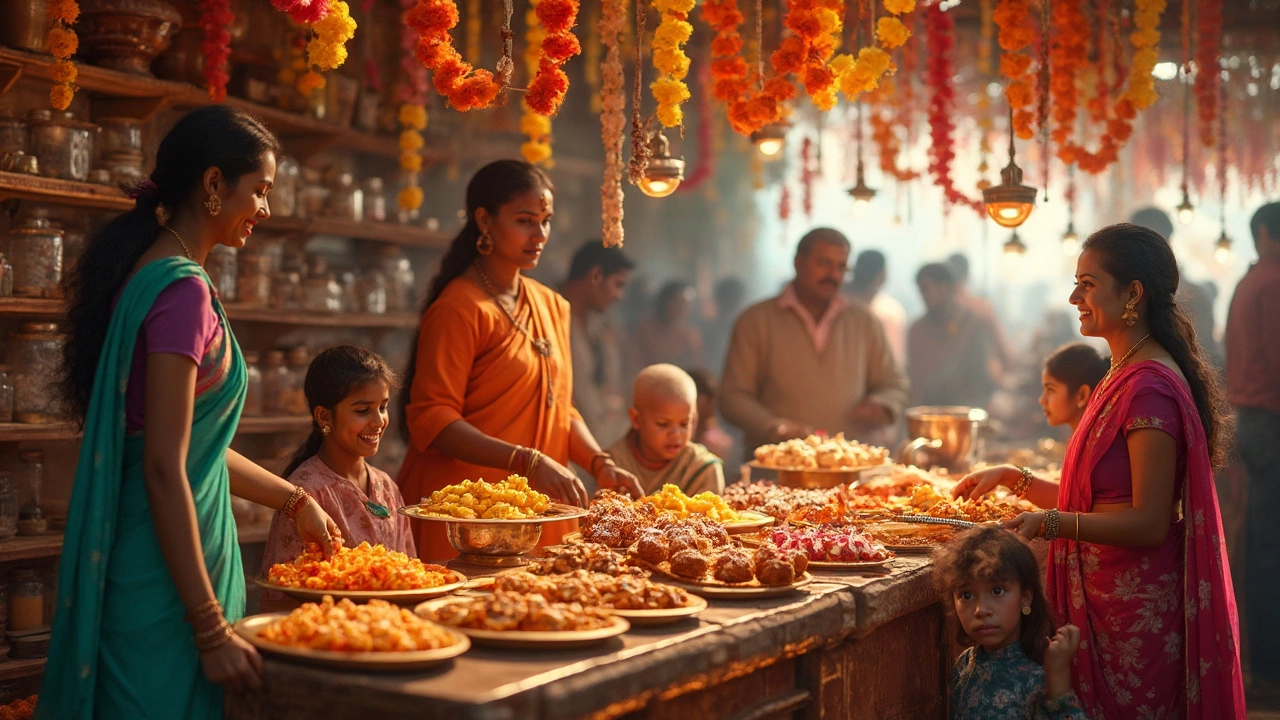
When you think of Indian sweet recipes, a category of desserts rooted in regional traditions, seasonal ingredients, and centuries-old techniques. Also known as mithai, it's not just sugar—it's culture shaped into bite-sized joy. These aren’t the same as Western cakes or cookies. Indian sweets are often syrup-soaked, milk-based, or fried with cardamom and saffron, made for festivals, weddings, and everyday moments of celebration.
What makes them work isn’t just sweetness—it’s the jaggery, an unrefined cane sugar with deep molasses notes used in South Indian sweets like pongal and gur ki roti. It’s also the sugar syrup, the thick, boiled honey-like base that gives gulab jamun its melt-in-mouth texture and rasgulla its juicy center. And then there’s mysore pak, a ghee-rich, golden-brown fudge from Karnataka that only works if you get the sugar-to-ghee ratio exact. Swap jaggery for white sugar in a barfi? You’ll get something sweet, but not authentic. Use the wrong syrup consistency in rasgulla? It turns rubbery. These aren’t minor details—they’re the difference between a dessert that tastes like home and one that just tastes like sugar.
Indian sweet recipes don’t rely on fancy tools. You need a heavy-bottomed pan, patience, and an eye for color and texture. The syrup should form a one-thread or two-thread consistency—not because a recipe says so, but because that’s what the sugar molecules do at those temperatures. The milk for khoya needs to reduce slowly, not boil fast. The oil for frying jalebi must be hot enough to crisp the outside but not burn the inside. These aren’t tricks—they’re physics, passed down through generations.
Some of the most common mistakes? Using store-bought khoya that’s too wet, skipping the soaking step in rasgulla, or thinking you can skip the cardamom. You can’t. These sweets are built on layers—not just flavor, but texture, timing, and tradition. And that’s what you’ll find in the posts below: real, tested methods for making classics like laddoo, barfi, and kheer without guesswork. No fluff. No shortcuts that fail. Just the exact steps, ingredient ratios, and why they matter.