Why India Is Predominantly Vegetarian: History, Culture, and Cuisine
Explore the blend of religion, climate, history, and policy that makes India one of the world's most vegetarian societies, with clear examples and a useful FAQ.
When we talk about Indian food habits, the daily patterns, rituals, and choices that define how Indians eat across regions, castes, and generations. Also known as traditional Indian eating practices, it's not just what’s on the plate—it’s when, how, and why it’s eaten. You can’t understand Indian cuisine without understanding its habits. From skipping meat on certain days to soaking lentils overnight, these aren’t quirks—they’re deeply practical, culturally coded routines passed down for centuries.
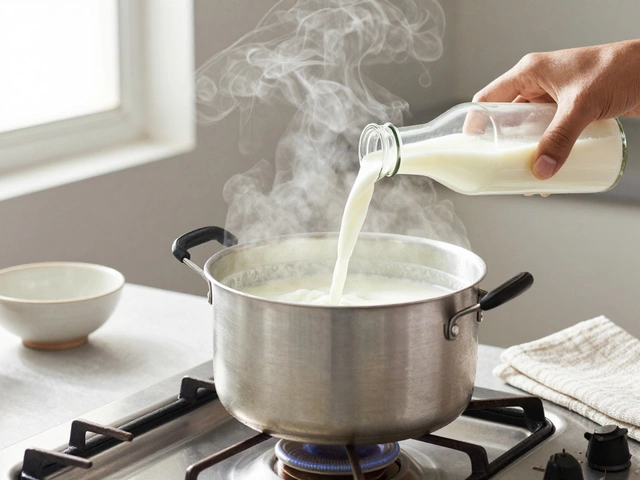
Take Indian vegetarian culture, a way of life for over 400 million people in India, shaped by religion, economics, and environmental logic. Also known as plant-based Indian eating, it’s not a trend—it’s the default for most households. This isn’t about avoiding meat because it’s trendy. It’s about dal tadka being the foundation of dinner, paneer being made fresh weekly, and roti being rolled by hand every day. You’ll find this reflected in posts about how much milk you need for paneer, why soaking dal matters, and why dosa batter ferments for hours. These aren’t recipes—they’re habits.
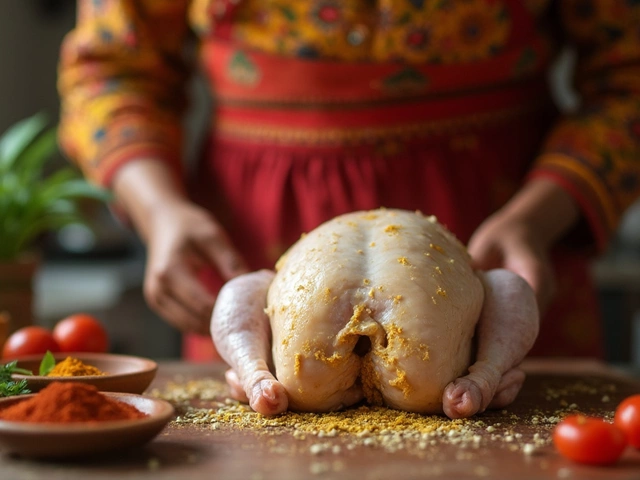
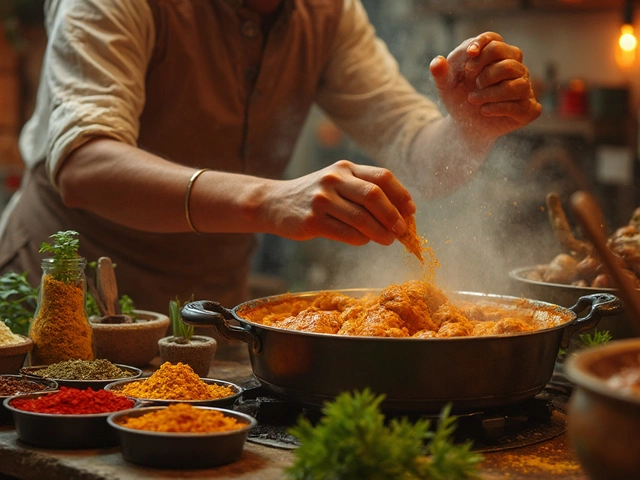
Then there’s Indian cooking practices, the unspoken rules that guide everything from oil choice to spice toasting. Also known as traditional Indian kitchen methods, these are the silent teachers in every Indian home. Why is roti always round? Because physics demands it. Why is jaggery used in sweets instead of white sugar? Because it caramelizes differently and lasts longer. Why don’t you rinse yogurt off tandoori chicken? Because you’d wash away the flavor. These aren’t opinions—they’re proven, repeated, and perfected over generations. You’ll see these habits in posts about the best oil for dosa, the healthiest curry to order, and why naan has downsides you might not realize.
And let’s not forget the rhythm. Indian meals aren’t just breakfast-lunch-dinner. They’re chai at 11 a.m., pani puri as an afternoon snack, and a light dinner after sunset. The food changes with the season, the mood, and the day of the week. That’s why you’ll find guides on biryani layering, chutney variations, and why certain dishes are reserved for festivals. This isn’t randomness—it’s structure. It’s how a family in Maharashtra eats differently than one in Kerala, yet both follow the same unspoken rules.
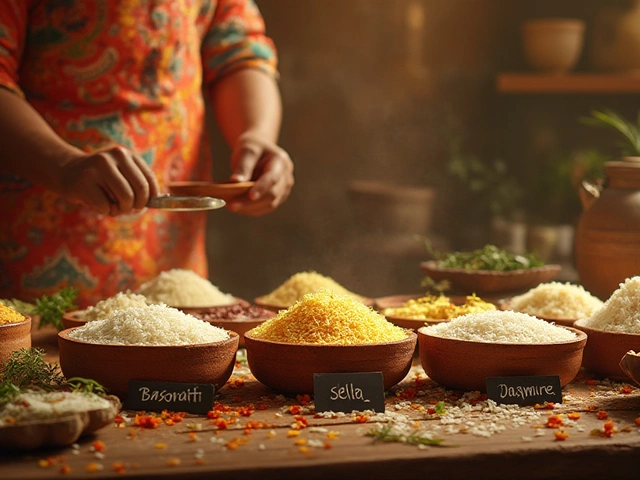
What ties it all together? Daily Indian diet, the real, unfiltered, everyday eating pattern of ordinary Indians—not restaurant menus or Instagram food. Also known as home-cooked Indian meals, this is where the soul of Indian food lives. It’s not butter chicken every night. It’s dal, rice, and pickles. It’s roti with leftover sabzi. It’s lemon rice when you’re tired of the same thing. These habits aren’t flashy. But they’re reliable. They’re nourishing. They’ve fed families for hundreds of years without a single recipe book.
What follows isn’t just a list of articles. It’s a map of how real Indian food works—from the pantry to the plate. You’ll find the truth behind common myths, the science behind old tricks, and the simple reasons why certain things are done the way they are. No fluff. No trends. Just the habits that keep Indian kitchens running—every single day.
Explore the blend of religion, climate, history, and policy that makes India one of the world's most vegetarian societies, with clear examples and a useful FAQ.