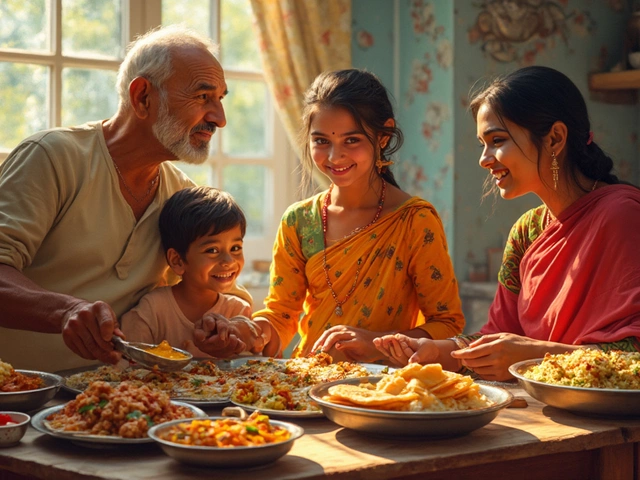
Indian Flatbread: Types, Tips, and Best Ways to Make Them at Home
When you think of Indian food, you might picture curry—but the real star of most meals is the Indian flatbread, a simple, unleavened or leavened bread made from wheat, rice, or other flours, served warm to scoop, dip, or wrap around flavors. Also known as roti, chapati, or phulka, it’s the quiet hero that holds together every bite of dal, sabzi, or tandoori chicken. Unlike Western bread, it’s not meant to be sliced or toasted. It’s torn, folded, or used as a utensil—because in Indian kitchens, food isn’t just eaten, it’s experienced.
Not all flatbreads are the same. Roti, a basic whole wheat bread cooked on a griddle, is the daily staple in most Indian homes. Naan, a soft, slightly chewy bread baked in a tandoor oven and often brushed with butter or garlic, is the restaurant favorite—but it’s not traditional daily fare. Then there’s Paratha, a layered, flaky flatbread that’s fried in ghee or oil, sometimes stuffed with potatoes, spinach, or paneer. Each one has its own texture, technique, and place on the table. You won’t use naan with lentils at breakfast, but you’ll grab a paratha for lunch. Roti? That’s the one you eat with everything, every day.
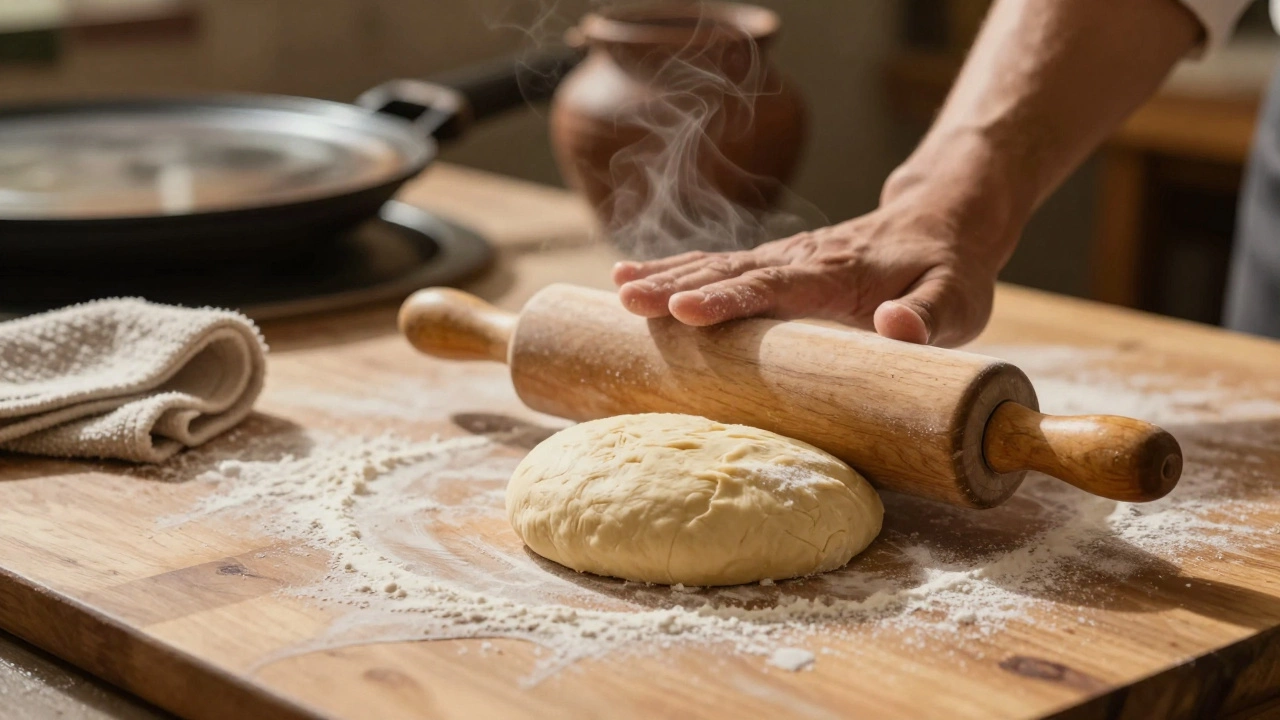
What makes these breads work isn’t fancy equipment—it’s heat, timing, and a little patience. A hot tawa (griddle) turns plain dough into blistered, puffed roti. A well-rested dough gives naan its airy softness. The right amount of ghee makes paratha crisp outside and tender inside. Skip the mixer? No problem. Your hands are the best tool. Over-knead? It’ll turn tough. Under-ferment? Your dough won’t puff. These aren’t secrets—they’re small, repeatable actions that make the difference between good and great.
And here’s the truth: most people buy naan at the store because they think making it at home is hard. But if you can boil water, knead dough, and flip something on a pan, you can make real Indian flatbread. The posts below show you exactly how—whether you’re trying to get that perfect roti puff, avoid greasy parathas, or understand why your naan won’t rise. You’ll find out what oil works best for dosa (yes, that’s a flatbread too), why rinsing yogurt off tandoori chicken ruins the crust, and how to fix flatbread that sticks or burns. This isn’t about tradition for tradition’s sake. It’s about getting real results—crispy, soft, flavorful bread that makes your meals feel like home.