Indian Cheese: Discover Paneer and Other Traditional Dairy Delights
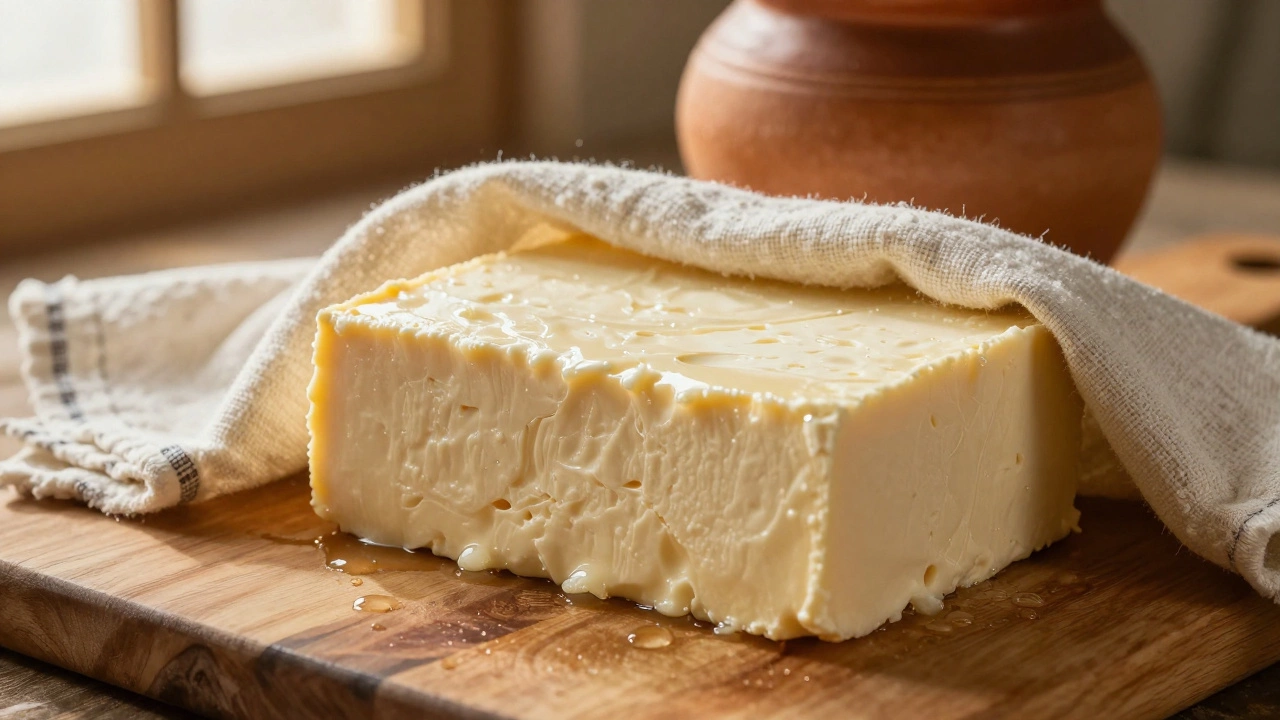
When you think of Indian cheese, a category of fresh, unaged dairy products central to vegetarian Indian cooking. Also known as paneer, it's the most common form of cheese in India—made by curdling milk with lemon juice or vinegar, then pressed into soft, firm blocks. Unlike Western cheeses, it doesn't melt, age, or need rennet. It's simply milk, acid, and heat—turned into something that holds its shape in spicy gravies, grilled skewers, or sweet syrups. This isn't imported cheese repurposed for Indian kitchens. It's a homegrown tradition that’s been around for centuries, shaped by religious dietary rules, climate, and the need for protein-rich food without meat.
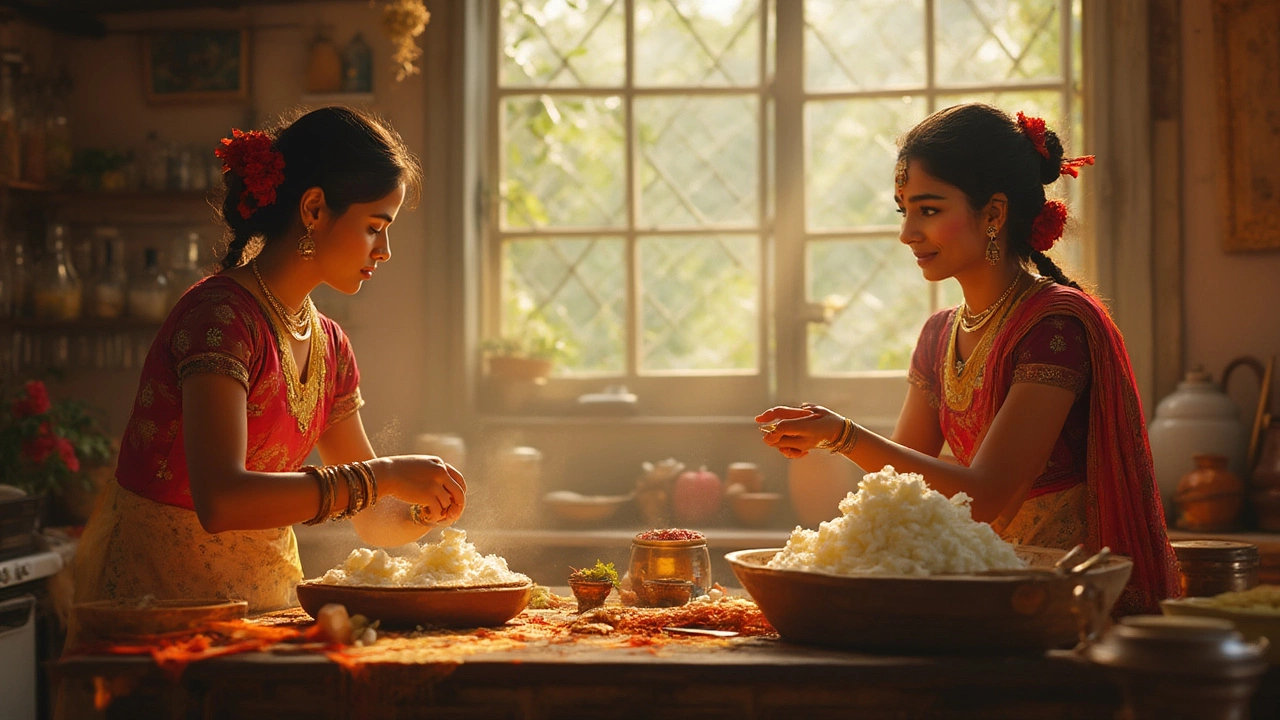
Most Indian households make paneer, a fresh, non-melting cheese made by curdling hot milk with an acid like lemon juice or vinegar. Also known as chhena in Bengal, it’s the backbone of dishes like paneer butter masala, palak paneer, and paneer tikka. The amount of milk you need? Roughly 4 liters for 1 pound of paneer, depending on fat content. You don’t need fancy tools—just a pot, a cloth, and a heavy weight. And unlike store-bought versions that can be rubbery, homemade paneer is tender, milky, and absorbs spices like a sponge. Then there’s chhena, a softer, more crumbly version of paneer used in sweets like rasgulla and sandesh. It’s not pressed, so it stays moist and sponge-like, perfect for soaking up syrup. And while paneer is eaten savory, chhena is almost always sweet—showing how one dairy base can split into two entirely different culinary paths. You won’t find cheddar or mozzarella in traditional Indian kitchens. The dairy culture here is built on freshness, not aging. Milk is turned into cheese the same day it’s collected. That’s why Indian cheese tastes clean, bright, and milky—not sharp or funky.
What makes Indian cheese so special isn’t just how it’s made—it’s how it’s used. It’s the protein in vegetarian meals for millions. It’s the star of street food, home dinners, and festive feasts. It’s the thing that turns a simple dal into a meal when paired with paneer tikka. You’ll find it in North Indian curries, South Indian snacks, and even in Bengali desserts. And if you’ve ever wondered why your paneer turns out dry or rubbery, it’s not the recipe—it’s the milk, the heat, or skipping the marinate step. The posts below break down exactly how to make it right, what dishes to pair it with, and why some recipes call for soaking it in warm water before cooking. Whether you’re making it from scratch or choosing the best version at the market, you’ll find the real tricks here—not guesses, not theory, just what works.