India Vegetarians: Real Food, Real Flavors
When you think of India vegetarians, people in India who follow a plant-based diet, often rooted in culture, religion, or health. Also known as vegetarian Indians, they make up nearly 40% of the country’s population and eat food that’s rich, satisfying, and far from boring. This isn’t just about skipping meat—it’s about mastering a whole system of cooking built on lentils, dairy, spices, and grains that deliver protein, texture, and depth without a single animal product.
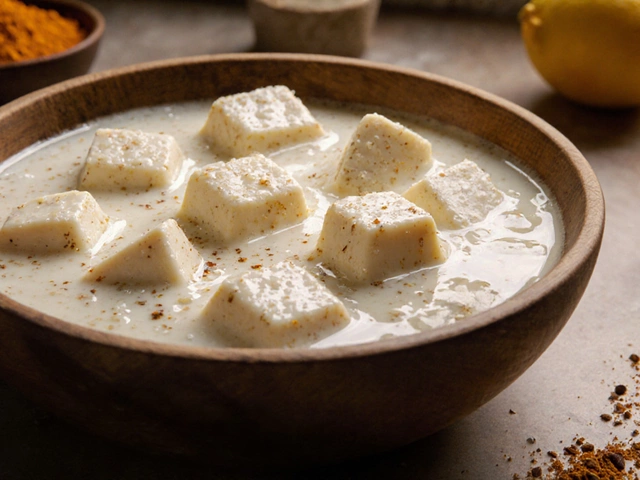
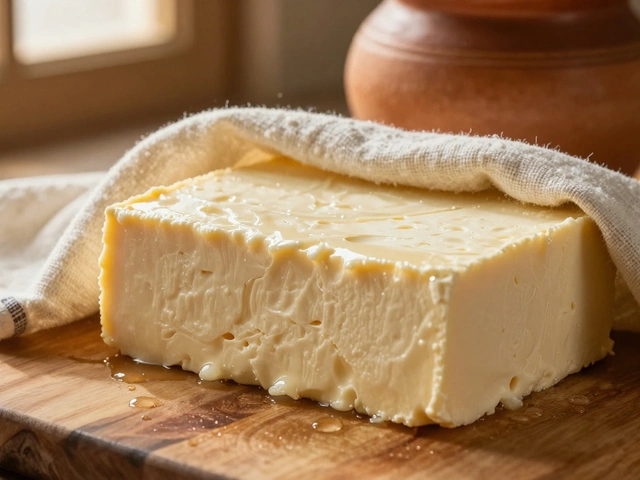
At the heart of every Indian vegetarian meal is dal tadka, a simple, everyday lentil dish cooked with tempered spices and often served with rice or roti. It’s the foundation, the comfort food, the dish you eat when you need something warm and honest. Then there’s paneer, a fresh, homemade cheese made from curdled milk, used in everything from buttery curries to grilled skewers. It’s not just a substitute for meat—it’s a star on its own, with a texture that holds up to bold flavors and high heat. And let’s not forget dosa, a fermented rice and lentil crepe that’s crispy on the edges, soft inside, and perfect with coconut chutney. It’s breakfast, snack, and street food all in one. These aren’t niche dishes. They’re daily staples.
What makes Indian vegetarian food so powerful isn’t just what’s in it—it’s how it’s made. Soaking dal to cut cooking time and improve digestion. Fermenting batter overnight for that perfect crisp. Toasting spices until they smell like earth and warmth. These aren’t tricks. They’re traditions passed down because they work. You don’t need fancy tools. You don’t need exotic ingredients. You just need to know when to add the cumin, how much oil to use on the griddle, and why you shouldn’t rinse yogurt off your paneer before cooking.
There’s a myth that Indian vegetarian food is all curry. It’s not. You’ll find lemon rice, tandoori vegetables, pani puri, and roasted cauliflower with cumin—all without a drop of sauce. You’ll find meals built on texture: crunchy chutneys, soft lentils, chewy roti, and creamy yogurt. And you’ll find dishes that are healthy by accident—because they’re made with real food, not processed substitutes.
Whether you’re new to vegetarian cooking or you’ve been eating this way for years, the collection below gives you real, tested ways to cook like an Indian vegetarian at home. No fluff. No guesswork. Just clear, practical recipes and tips that actually make a difference—whether you’re making paneer from scratch, fixing soggy dosas, or choosing the healthiest curry at a restaurant. What you’ll find here isn’t just food. It’s a way of eating that’s lasted for centuries—and still tastes better than anything processed.