Essential Curry Spices: The Must‑Have Flavors for Any Curry
Learn the essential spices that define a curry, how each one contributes flavor, storage tips, a quick DIY curry powder recipe, and common substitution tricks.
When you curry powder, a blended spice mix used across Indian and global kitchens to build deep, layered flavor. Also known as masala powder, it’s not a single spice but a customizable foundation for countless dishes. Unlike the bland, pre-packaged versions you find in supermarkets, homemade curry powder lets you control the heat, aroma, and balance—no fillers, no additives, just real spices toasted and ground fresh.
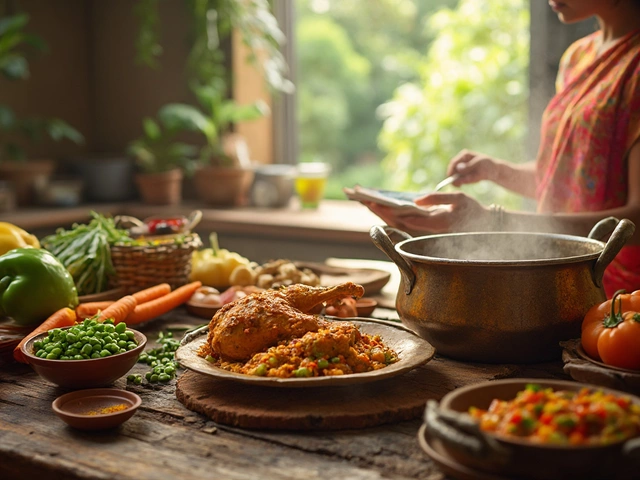
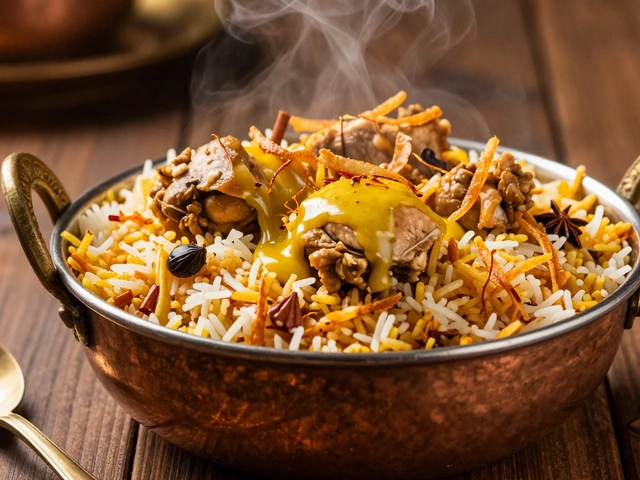
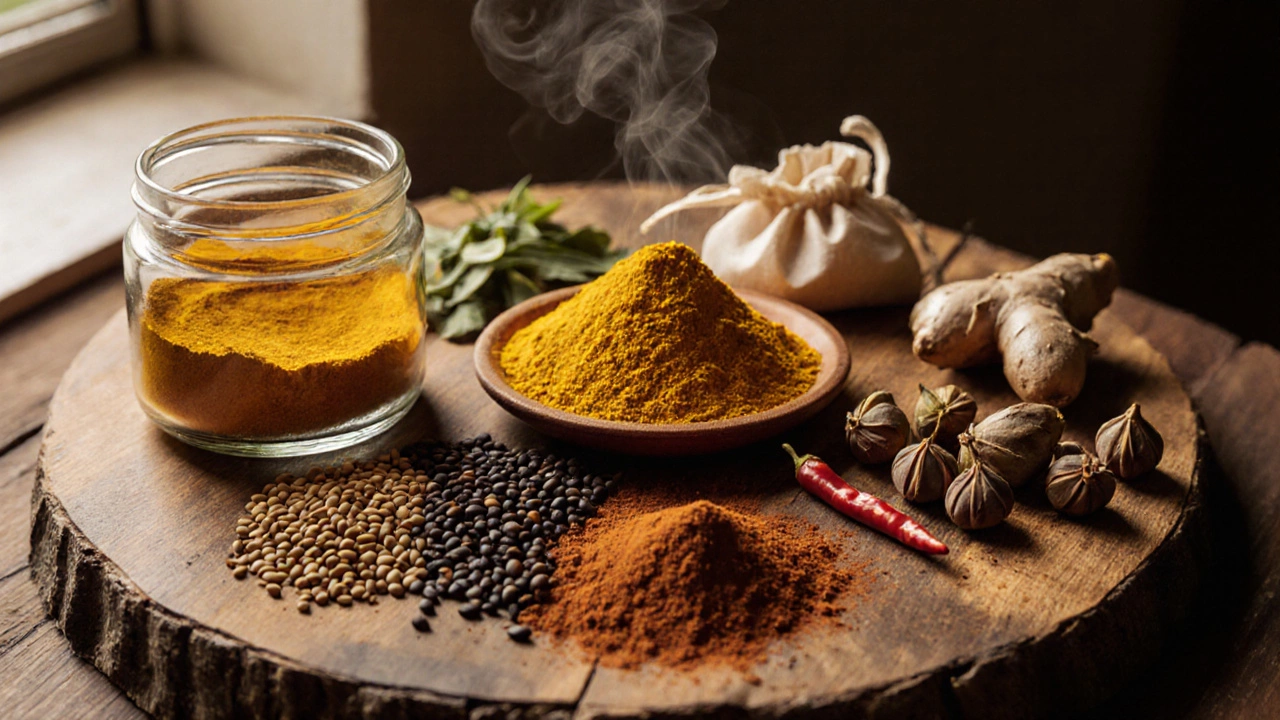
Making your own means you understand what’s actually in it. cumin, a warm, earthy seed that gives curry its backbone, pairs with coriander, a citrusy, slightly sweet seed that softens the heat. Turmeric adds color and a mild bitterness, while fenugreek brings a subtle maple-like depth. Mustard seeds, chili powder, and cinnamon or cardamom round it out. These aren’t random choices—they’re the core of Indian home kitchens, used in dal tadka, a simple lentil dish that relies on spice balance, not cream, and in tandoori chicken, where spice paste clings to meat and chars over high heat. The trick isn’t just mixing them—it’s toasting each one lightly before grinding to unlock their oils and deepen their flavor.
Store-bought curry powder often sits on shelves for months, losing its punch. Homemade lasts 3-4 months in an airtight jar away from light, but it’s best used within 6 weeks. You’ll notice the difference when you add it to rice, lentils, or roasted vegetables—it smells alive, not dusty. You don’t need a fancy grinder; a clean coffee grinder or mortar and pestle works fine. Start with equal parts cumin and coriander, add half that amount of turmeric, then tweak from there. Add a pinch of cloves if you like warmth, or a little ground ginger for brightness. There’s no single recipe—every family in India has their own version, from the smoky blends of Punjab to the tangy ones of Tamil Nadu.
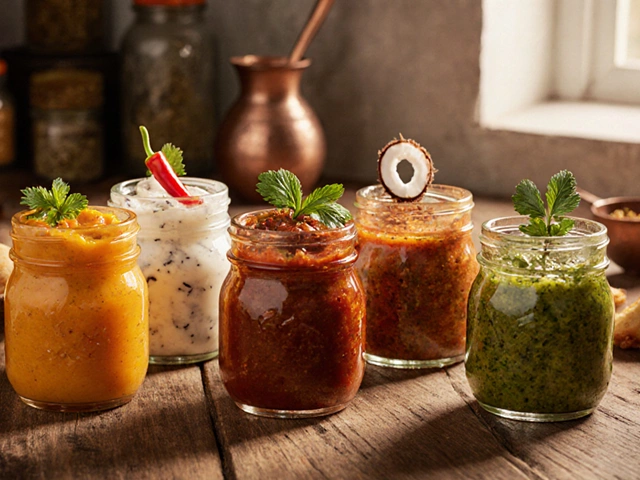
Once you start making your own, you’ll stop reaching for the jar. You’ll realize why chutney, a fresh, tangy condiment that cuts through rich spices is served alongside curry—it balances what the powder builds. You’ll also see why paneer, a soft cheese that absorbs spice like a sponge, works so well in dishes built on this blend. This isn’t just about flavor. It’s about understanding the rhythm of Indian cooking: dry spices first, then wet ingredients, then slow simmering to let everything marry.
Below, you’ll find real recipes and insights from people who cook this way every day. Whether you’re fixing a weeknight meal or trying to recreate a dish from a restaurant, knowing how to make curry powder from scratch changes everything. You won’t just taste the spices—you’ll taste the intention behind them.
Learn the essential spices that define a curry, how each one contributes flavor, storage tips, a quick DIY curry powder recipe, and common substitution tricks.