Understanding Junk Food in India: Types, Health Impact, and Smarter Choices
Explore what qualifies as junk food in India, its popular forms, health impacts, and practical swaps to enjoy flavor while staying healthier.
When we talk about the health impact of junk food in India, the rising rate of diabetes, obesity, and heart disease linked to daily processed snacks and fried street food. Also known as fast food health risks, it’s not just about weight—it’s about how sugar, trans fats, and refined flour are rewiring Indian bodies built for whole grains, lentils, and fresh vegetables.
India’s traditional diet was never about quick fixes. Dal, roti, curd, and seasonal veggies kept energy steady and digestion clean. But now, a bag of chips costs less than an apple in many cities. processed food in India, includes packaged samosas, instant noodles, sugary drinks, and fried snacks coated in artificial flavors. These aren’t occasional treats anymore—they’re breakfast, lunch, and late-night snacks for millions. And it’s not just kids. Office workers, students, even grandparents are reaching for ready-to-eat meals because they’re fast, cheap, and everywhere. But here’s the truth: your body doesn’t know the difference between a masala dosa and a masala-flavored chip. It only knows sugar spikes, salt overload, and empty calories.
junk food in India, isn’t just unhealthy—it’s culturally invasive. Traditional meals like khichdi or upma took hours to prepare with care. Now, a 2-minute noodle cup replaces a full lunch. The result? Higher blood pressure, fatty liver, and insulin resistance showing up in teens. A 2022 study from the Indian Council of Medical Research found that over 60% of urban youth consume junk food at least three times a week. That’s not a trend—it’s a public health crisis wearing a colorful wrapper. And while we blame globalization, we forget: we’re the ones buying it. We’re the ones choosing the crunchy, salty, sweet stuff over dal tadka or roasted chana.
The good news? You don’t need to quit everything. You just need to know what you’re eating. Is that "vegetable" momo really full of veggies—or just flavor powder? Does that "healthy" granola bar have more sugar than a candy bar? The posts below break down real food habits in India: what’s hiding in your snacks, which "healthy" labels are lies, and how to swap junk for meals that still feel satisfying. You’ll find how to spot fake nutrition, why coconut oil beats vanaspati, and how simple swaps like roasted makhana instead of chips can change your energy, digestion, and long-term health—without giving up flavor.
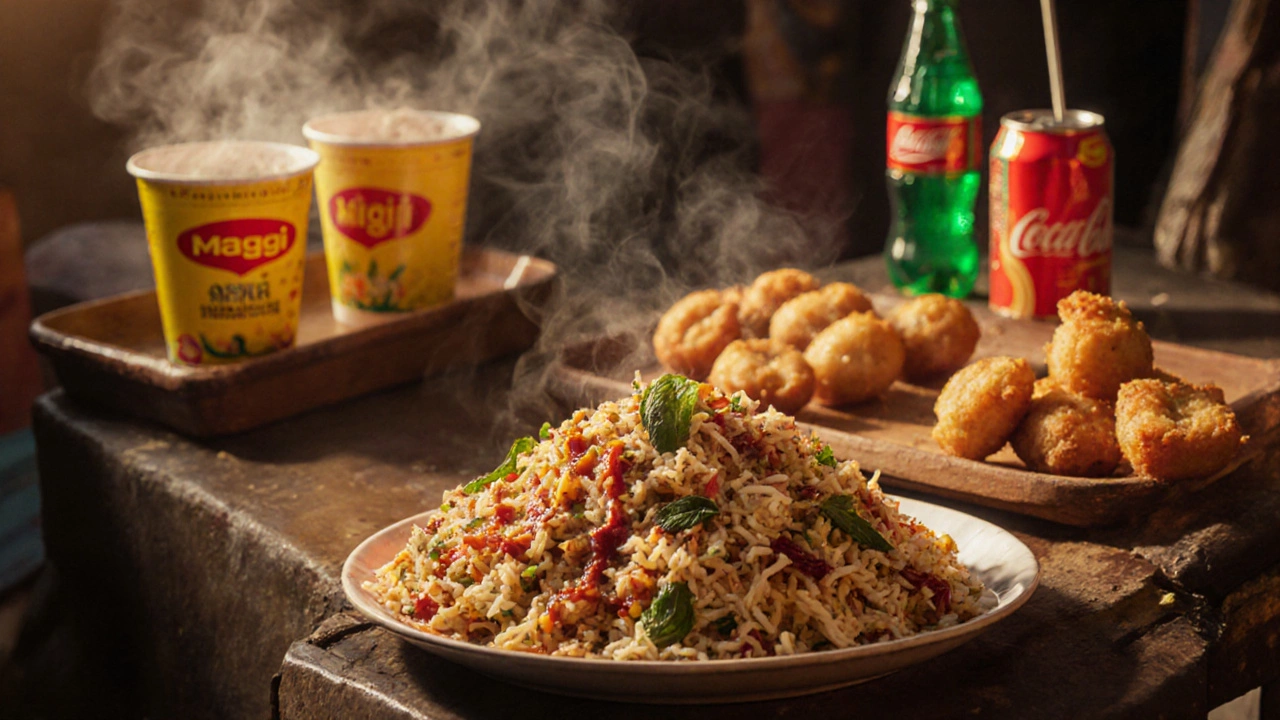
Explore what qualifies as junk food in India, its popular forms, health impacts, and practical swaps to enjoy flavor while staying healthier.