What’s Inside Garam Masala? Traditional Ingredients Explained
Discover what makes garam masala special, its authentic ingredients, how to use it, and tips for making your own blend. Spice up your meals with this guide.
When you think of Indian food, one spice blend rises above the rest: garam masala, a warm, fragrant spice mix used across India to finish dishes and deepen flavor. Also known as masala powder, it’s not just a seasoning—it’s the final touch that turns good food into unforgettable meals. Unlike curry powder, which is often pre-mixed and sold in bulk abroad, garam masala is made fresh in homes and small shops, with recipes varying by region, family, and even season. It’s the difference between a dish that tastes okay and one that makes you close your eyes and sigh.
What’s actually in it? The core usually includes cumin, a earthy, nutty seed that forms the base of many Indian spice blends, coriander, a citrusy, slightly sweet seed that balances heat, cardamom, a floral, sweet pod that adds complexity, cloves, a pungent, bitter bud that gives depth, and cinnamon, a sweet, woody bark that rounds out the blend. Some add black pepper for bite, nutmeg for richness, or bay leaves for subtle herbal notes. The key? Toasting and grinding whole spices just before use. Pre-ground garam masala loses its punch fast—within weeks. That’s why most Indian cooks make small batches, often just enough for a week’s meals.
It’s not added at the start of cooking. That’s the secret. You don’t throw garam masala in with the onions and tomatoes. You sprinkle it in at the end, right before serving. Why? Because its volatile oils—those aromatic compounds that make your kitchen smell like a North Indian bazaar—evaporate with heat. Add it early, and you lose the magic. Add it late, and it lifts the whole dish. It’s what makes butter chicken smell like home, what turns dal tadka from simple to soulful, and why even plain rice tastes better with a pinch stirred in at the end.
You’ll find it in nearly every post here. From the creamy paneer butter masala to the smoky tandoori chicken, from biryani layered with spice to the simplest roti served with dal, garam masala is the quiet hero. It doesn’t shout. It doesn’t burn. It just makes everything better. And if you’ve ever wondered why your Indian food doesn’t taste like restaurant versions? Nine times out of ten, it’s because you’re using pre-ground spice from a jar that’s been sitting on the shelf since last Diwali.
What you’ll find below isn’t just recipes. It’s stories of how garam masala works with other staples—yogurt marinades, lentils, dosa batter, tandoor heat—to create dishes that last generations. You’ll learn how to make your own blend, when to use it, and why skipping it is like leaving salt out of soup. This isn’t about following a recipe. It’s about understanding the rhythm of Indian cooking—and garam masala is the beat that keeps it alive.
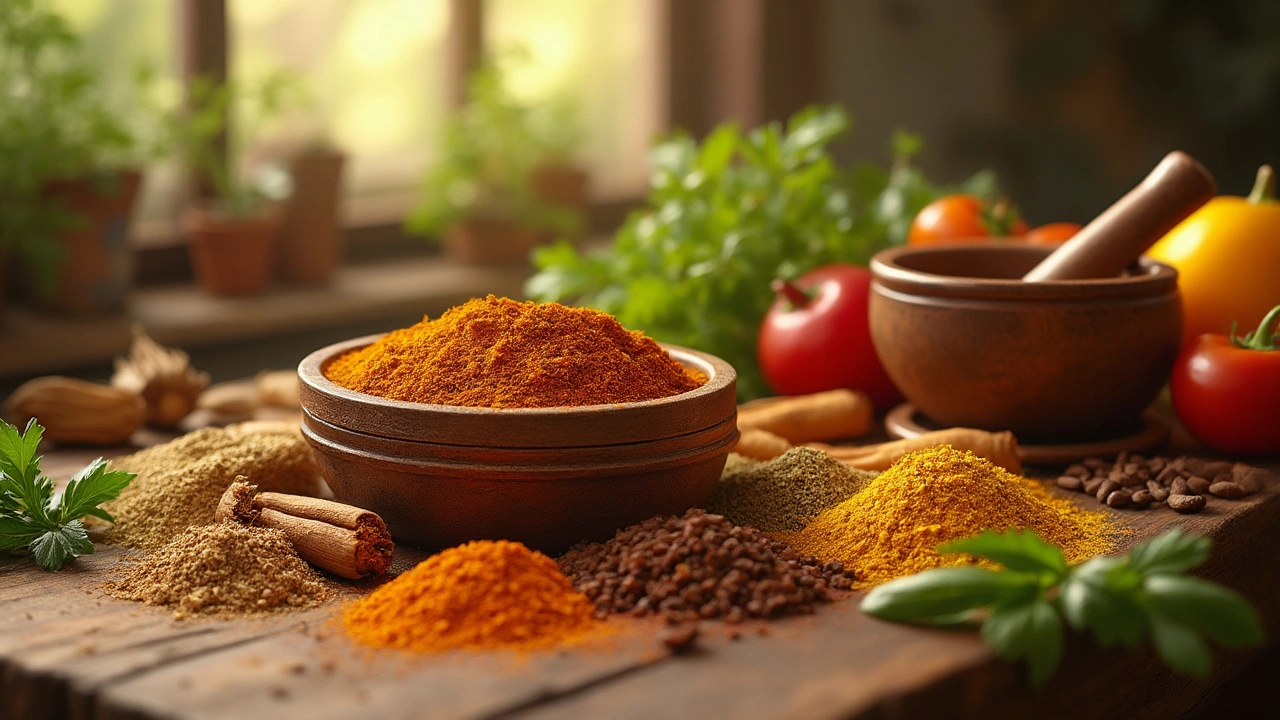
Discover what makes garam masala special, its authentic ingredients, how to use it, and tips for making your own blend. Spice up your meals with this guide.