Foods Avoided in India: What Indians Don't Eat and Why
When you think of Indian food, you probably imagine rich curries, spicy chutneys, and fluffy rotis—but there’s a whole other side to Indian eating habits: the foods that are foods avoided in India, specific items excluded from diets due to religious, cultural, or health-based reasons. Also known as Indian dietary taboos, these restrictions aren’t just about taste—they’re deeply tied to identity, faith, and daily life. For example, beef is off-limits for millions because cows are considered sacred in Hinduism, the majority religion. That’s not a personal preference—it’s a spiritual rule followed in homes, restaurants, and markets across most of the country.
Then there’s pork. While not banned everywhere, it’s rarely found in households in states like Uttar Pradesh, Rajasthan, or Gujarat, where Muslim and Hindu populations avoid it for different reasons. Muslims avoid it due to Islamic dietary laws, while many Hindus steer clear because of cultural associations with cleanliness and ritual purity. Even in cities where pork is sold, it’s often tucked away in specialty shops, not mixed into everyday meals. And it’s not just meat. Some communities avoid garlic and onions during religious fasts, believing these foods stimulate passion or disrupt spiritual focus. Jain communities go even further, skipping root vegetables like potatoes and onions because harvesting them kills the entire plant—and potentially tiny life forms in the soil.
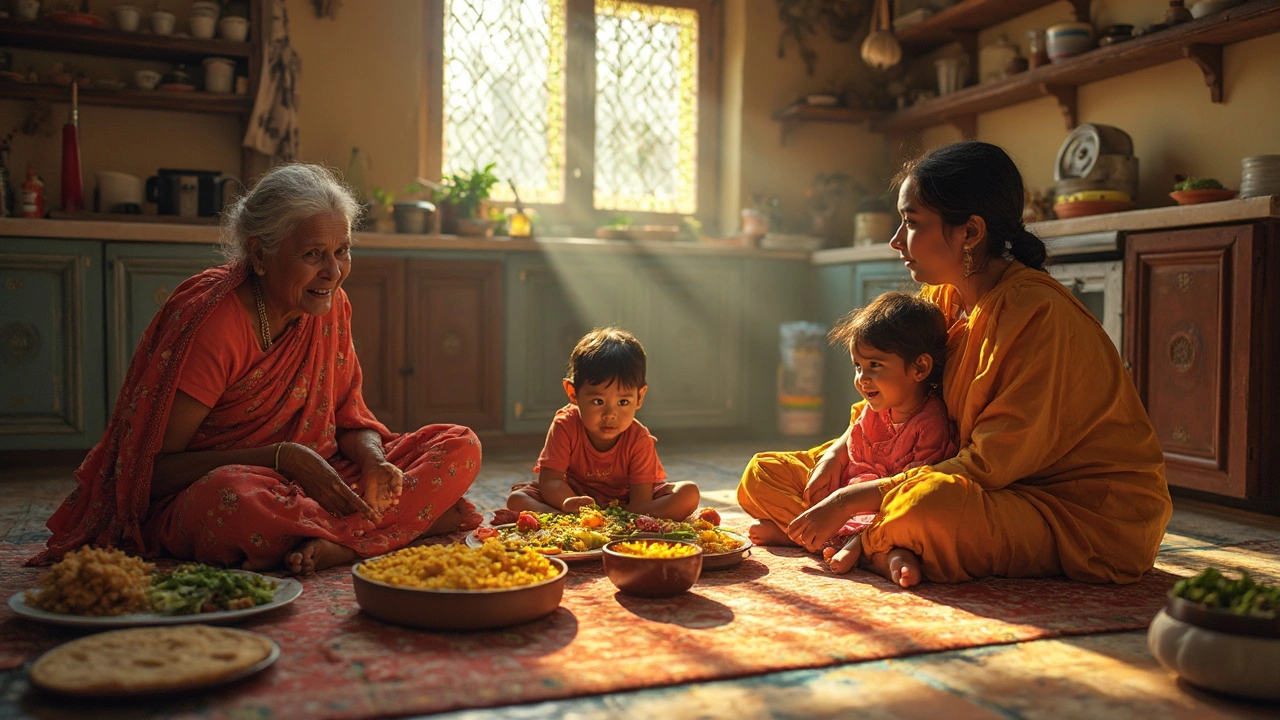
These choices aren’t random. They’re passed down through generations, taught at the dinner table, and reinforced by community norms. You won’t find beef in a traditional South Indian temple kitchen, and you won’t see pork in a Punjabi wedding feast. Even the way food is cooked matters: some families refuse to use the same oil for meat and vegetables, or avoid frying food after sunset during certain festivals. It’s not about being picky—it’s about belonging. And that’s why you’ll never see a beef burger on a street vendor’s cart in Varanasi, or a pork vindaloo on a vegetarian thali in Jaipur.
What’s left? A world of flavor built around lentils, dairy, vegetables, and grains. Dal, paneer, rice, roti, and chana masala aren’t just alternatives—they’re the heart of a cuisine shaped by what’s left out as much as what’s included. The dishes you’ll find below dive into these boundaries: why some foods are skipped, how people adapt, and what replaces them. Whether it’s the truth behind apple safety, why naan isn’t always the healthiest choice, or how milk turns into paneer without any meat products, each post reveals how Indian eating habits are defined by both abundance and restraint.