Food Pairings: Discover the Best Indian Combinations for Every Dish
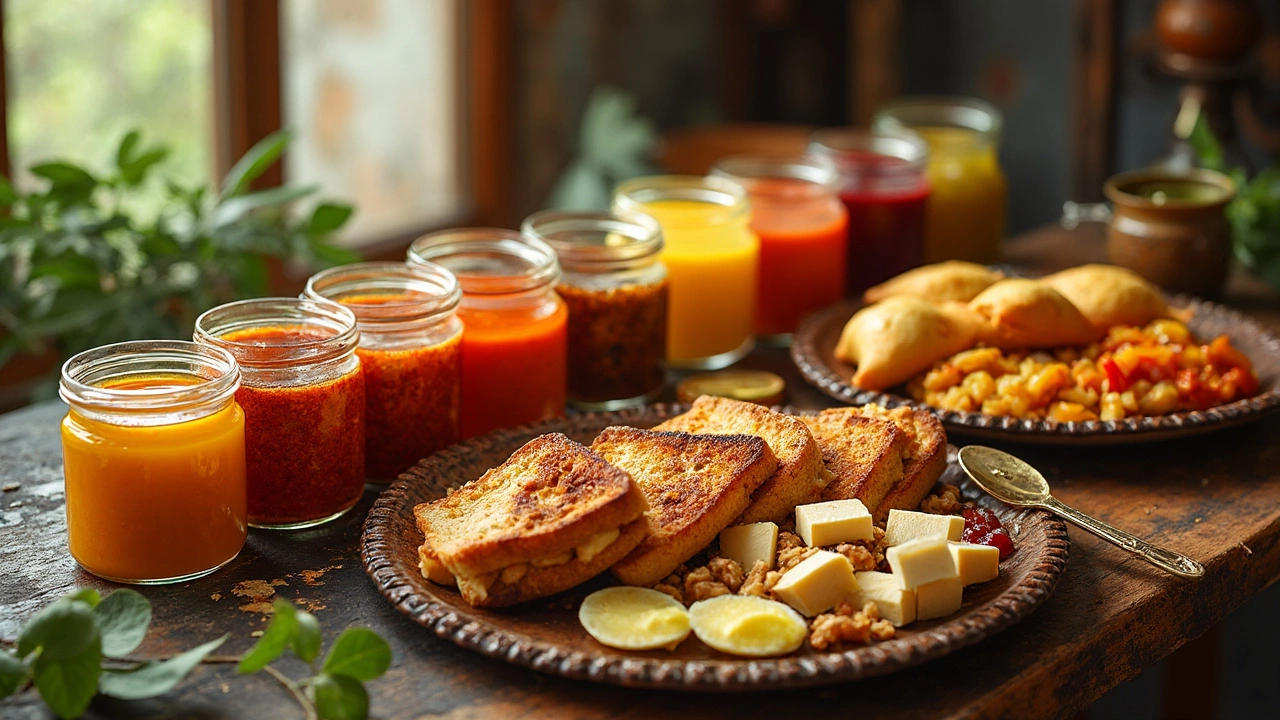
When you think of food pairings, the intentional combination of flavors, textures, and temperatures to enhance a meal. Also known as flavor matching, it’s not just about what tastes good—it’s about what balances heat, acidity, creaminess, and crunch in a way that makes every bite feel complete. In Indian cooking, food pairings aren’t an afterthought. They’re built into the meal from the start. A plate of spicy tandoori chicken isn’t served alone—it’s meant to be eaten with cooling raita, fresh mint chutney, and warm, soft roti. Each element plays a role. One soothes, one cuts through fat, one holds it all together.
This is why you’ll never see a South Indian meal without a side of coconut chutney or a North Indian thali without a dollop of yogurt. chutney, a tangy, spicy, or sweet condiment made from fruits, herbs, or vegetables, used to balance rich or spicy dishes isn’t just a garnish—it’s a flavor reset button. roti, a simple, unleavened flatbread made from whole wheat flour, used to scoop, wrap, and mop up sauces isn’t just bread—it’s the tool that turns a messy curry into a satisfying bite. And paneer, a fresh, non-melting cheese made from curdled milk, often used in creamy or grilled Indian dishes doesn’t just sit in a sauce—it needs the contrast of spicy chutney or the earthiness of cumin rice to shine.
These pairings aren’t random. They’re rooted in centuries of trial, tradition, and taste. The sourness of tamarind chutney cuts through the oil in fried snacks like samosas. The coolness of yogurt balances the heat of vindaloo. Even something as simple as lemon rice gets its brightness from a squeeze of lime and a sprinkle of roasted peanuts. It’s all about contrast and harmony. Skip the pairing, and you miss half the experience.
That’s why the posts here focus on what actually works. You’ll find out why groundnut oil makes dosa crispy, why you shouldn’t rinse yogurt off tandoori chicken, and why jaggery in sweets pairs better with cardamom than white sugar. You’ll learn what to serve with biryani, how to fix bland paneer, and why naan isn’t always the best choice next to curry. This isn’t about fancy plating or Instagram trends. It’s about real, everyday combinations that make Indian food taste like it should—rich, balanced, and deeply satisfying.