Food Coloring in Indian Cooking: Natural Alternatives and Traditional Uses
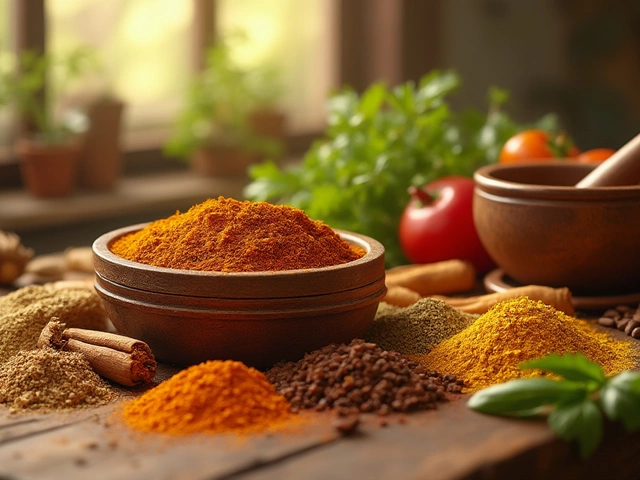
When you think of food coloring, a substance added to change the appearance of food. Also known as artificial dye, it's often linked to processed snacks and candies. But in Indian kitchens, food coloring rarely comes from a bottle—it comes from spices, roots, and sugars that have been used for centuries. You won’t find neon pink gulab jamun or electric green chutney in a traditional Indian home. Instead, the color comes from turmeric, beetroot, hibiscus, and jaggery—ingredients that add flavor, nutrition, and hue all at once.
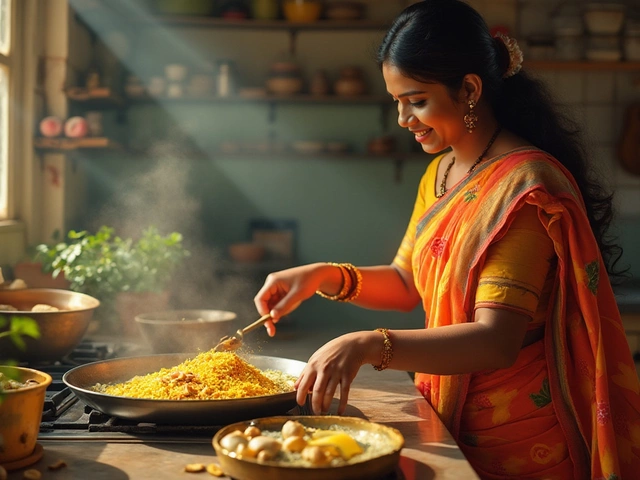
Take jaggery, an unrefined cane sugar used widely in Indian sweets. It doesn’t just sweeten mysore pak or gur chikki—it turns them deep amber, almost caramel brown, with a rich, earthy taste. White sugar can’t do that. Then there’s turmeric, a bright yellow root spice central to Indian cooking. It’s not just for curry; it’s the reason your rice turns golden, your dal glows, and your sweets have that warm, inviting tone. Even the red in rasgulla or the deep orange in laddoos often comes from saffron, dried pomegranate seeds, or crushed red chilies—not synthetic dyes.
Artificial food coloring has no place in traditional Indian recipes because it doesn’t belong in the pantry. Indian cooking values balance: color should enhance, not mask. If a dish looks wrong, it probably tastes wrong too. That’s why home cooks test their spices, adjust their soaking times, and watch their heat levels—not to chase a perfect shade, but to get the right flavor and texture. The color follows naturally.
Modern food blogs might push colorful desserts with store-bought dyes, but if you look at the real classics—dosa with crispy edges, biryani with saffron streaks, or even the deep red of amla murabba—you’ll see nature’s palette at work. These aren’t just pretty. They’re proof that flavor and color don’t need to be separated. The best Indian dishes don’t need artificial help. They’re already vibrant.
Below, you’ll find real recipes and honest answers about what gives Indian food its color—no chemicals, no guesswork. Just ingredients that have been trusted for generations. Whether you’re making sweets, snacks, or savory dishes, you’ll learn how to get the right hue the Indian way: naturally, simply, and with taste that lasts.