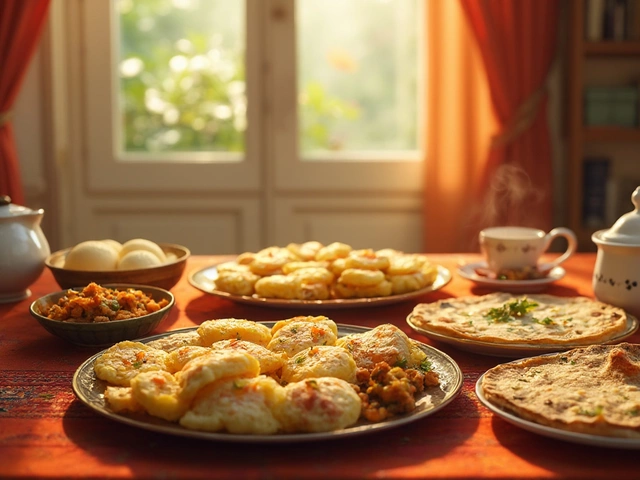
Flour in Indian Cooking: Types, Uses, and Best Choices for Roti, Dosa, and More
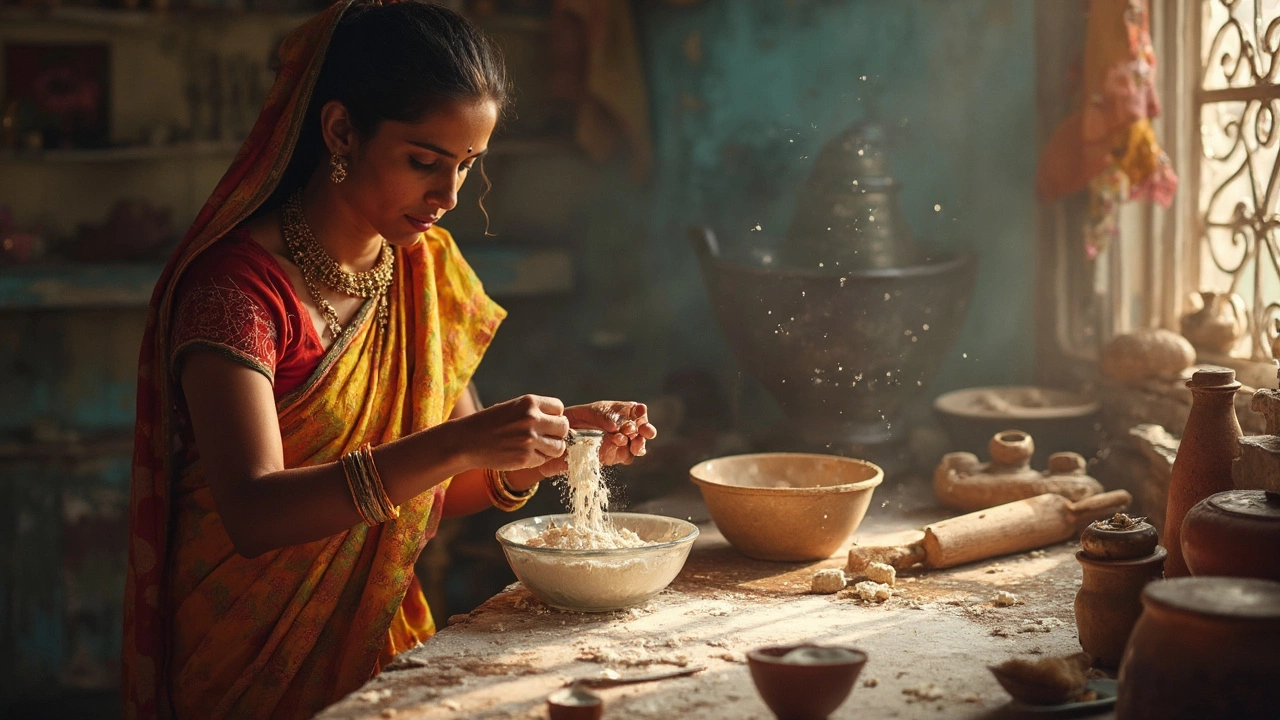
When you think of Indian bread, you’re really thinking about flour, a foundational ingredient that varies by region, texture, and purpose. Also known as wheat meal, it’s not just one thing—it’s a family of ingredients that make or break your roti, dosa, or paratha. In Indian kitchens, flour isn’t a background player. It’s the base of daily meals, the carrier of flavor, and the reason your chapati puffs up perfectly—or stays flat and tough.
Not all flour is the same. atta, whole wheat flour ground coarse, is the heart of everyday roti. It’s high in fiber, holds moisture well, and gives that chewy texture you can’t fake with refined flour. Then there’s maida, fine white flour used for naan, pakoras, and sweets. It’s soft, light, and bleached—perfect for flaky breads but not great for daily nutrition. And don’t forget besan, chickpea flour that’s gluten-free, protein-rich, and the secret behind crispy pakoras and savory cheela. It’s not wheat at all, but it’s just as essential in Indian cooking. These three flours cover 90% of what you’ll find in home kitchens across India.
Why does this matter? Because using the wrong flour ruins texture. Trying to make dosa with atta? It won’t ferment right. Using maida for roti? You’ll get a dough that’s too sticky and lacks structure. Even the water-to-flour ratio changes depending on what you’re making. The best roti comes from freshly ground atta with just the right moisture. The crispiest dosa needs rice and urad dal batter—not flour at all, but that’s another story. And if you’re making ladoo or mysore pak, you’re not using atta or maida—you’re using besan or sugar syrup, and skipping the flour entirely can still be the right move.
Flour in Indian cooking isn’t just about what’s in the bag. It’s about how it’s ground, stored, and mixed. Old flour turns rancid. Poorly stored atta attracts bugs. Maida left in humid climates clumps up. These aren’t minor details—they’re the difference between a good meal and a frustrating one. The posts below show you exactly which flour to pick for each dish, how to test its quality, and why your grandmother’s flour choice wasn’t just tradition—it was science.