How Long Should Dosa Batter Ferment? Exact Hours Explained
Learn the exact hours needed for dosa batter fermentation, how temperature and starter affect timing, and get troubleshooting tips for perfect dosas.
When you bite into a crispy fermented batter, a mixture of rice and lentils left to sit overnight, naturally souring and rising through wild yeast and bacteria. Also known as dosa batter or idli batter, it’s the foundation of some of India’s most beloved breakfasts. This isn’t just mixing flour and water—it’s letting nature do the work. No yeast packets, no chemical leaveners. Just rice, urad dal, salt, time, and warmth. That’s it. And that’s why it tastes different from anything you can buy in a packet.
Fermented batter is more than a technique—it’s a cultural ritual. In South India, families have been soaking, grinding, and waiting for their batter to bubble for generations. The process turns plain grains into something alive: airy, tangy, and digestible. The lactic acid bacteria that grow during fermentation don’t just make the batter rise—they break down starches and phytic acid, making nutrients easier for your body to absorb. That’s why idlis and dosas are often easier on the stomach than regular rice or bread. And the flavor? It’s deep, complex, and subtly sour, like a perfect sourdough but with a distinctly Indian soul.
This isn’t just about dosas and idlis. Fermented batter shows up in other forms too—like the batter for appam, a lacy, bowl-shaped pancake from Kerala that needs the same slow fermentation to get its soft center and crisp edges, or even puttu, a steamed rice cake from Kerala and Tamil Nadu where fermented rice is layered with coconut and steamed. Even in North India, you’ll find traces of this method in dishes like dhokla, a steamed savory cake made from fermented chickpea flour. The science is the same: time + moisture + warmth = transformation.
What makes this different from baking soda or baking powder? Everything. Chemical leaveners give quick lift but no flavor. Fermentation gives you both—texture and taste, in one. That’s why your dosa from a street vendor tastes better than the one you made with baking soda. The batter had time to develop. It had personality. And that’s what you’re missing if you skip fermentation.
Here’s the thing: you don’t need a fancy setup. A warm corner of your kitchen, a clean jar, and patience are all you need. In winter, you might wait 12 hours. In summer, 6. The batter is ready when it’s bubbly, smells slightly sour, and has doubled in volume. No guesswork. Just look, smell, and trust it.
The posts below dive into exactly how to get it right—what rice to use, why urad dal matters, how temperature affects fermentation, and what to do if your batter doesn’t rise. You’ll find tips on oil for dosa, how to store batter, and even why some people add fenugreek seeds. This isn’t theory. It’s what people in homes across Tamil Nadu, Karnataka, and Kerala do every morning. And now, you can too.
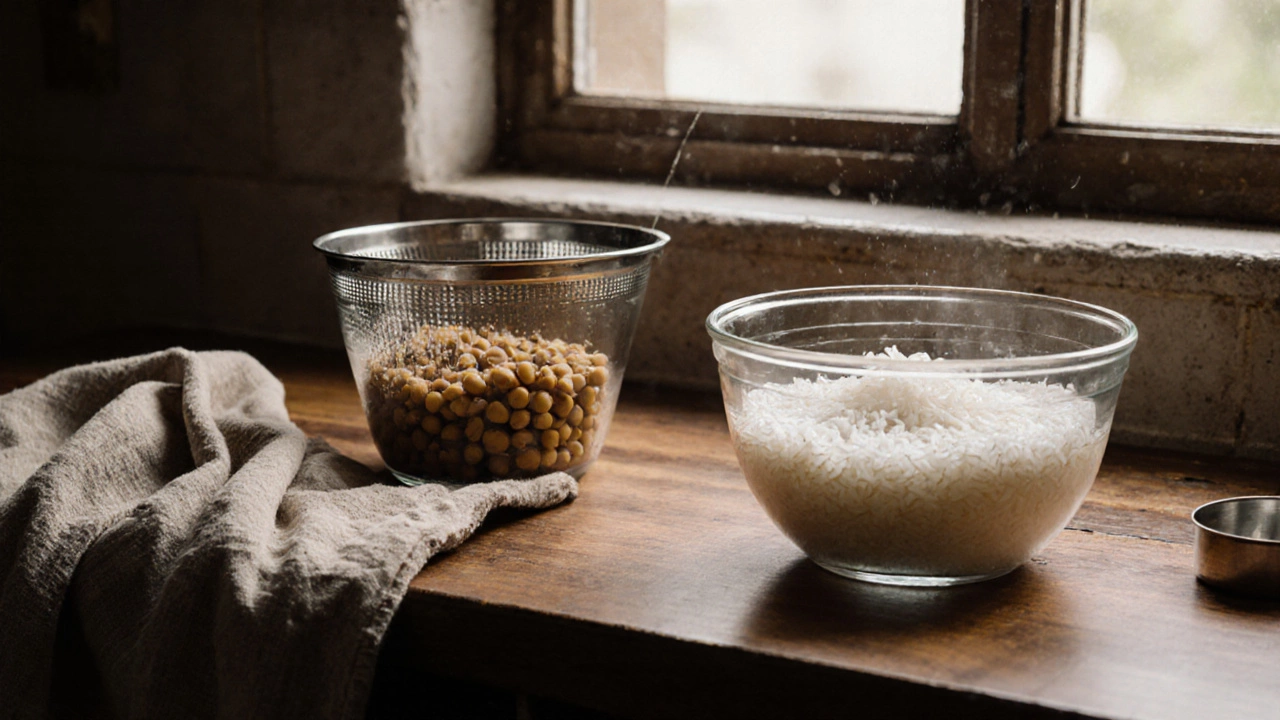
Learn the exact hours needed for dosa batter fermentation, how temperature and starter affect timing, and get troubleshooting tips for perfect dosas.