What Is the Best Indian Dish for Beginners? Easy Start to Indian Cooking
Butter Chicken is the best Indian dish for beginners-creamy, mild, and easy to make with just a few common ingredients. No fancy tools or spices needed.
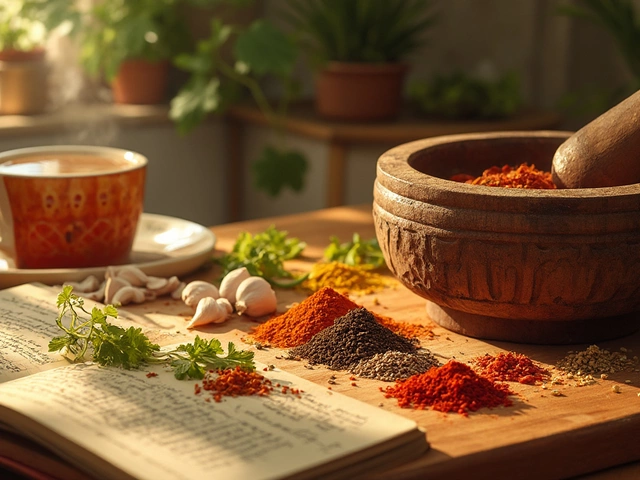
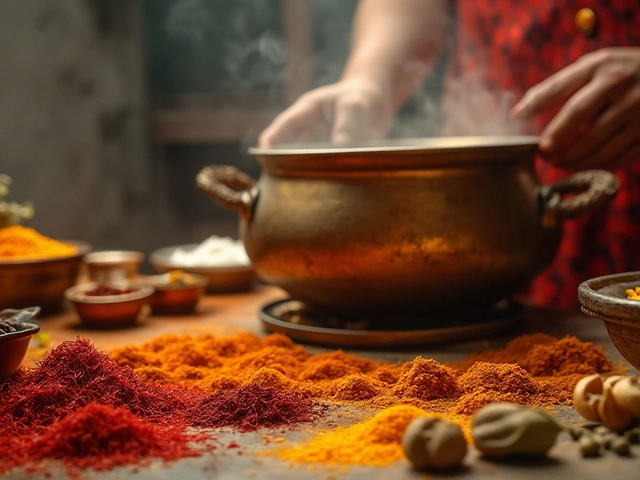
When people think of Indian food, they often imagine long simmering pots and exotic spices—but easy Indian recipes, simple, quick meals made with everyday ingredients and minimal steps. Also known as weeknight Indian dishes, they’re the real backbone of home cooking in India, where families rely on fast, nourishing meals that still taste like tradition. You don’t need a tandoor or a spice cabinet full of rare powders to make real Indian food. Some of the most beloved dishes—like dal tadka, a humble lentil stew tempered with cumin and garlic—are made in under 30 minutes with just five ingredients. And yes, they’re the same dishes your Indian neighbor or coworker probably eats on a Tuesday night.
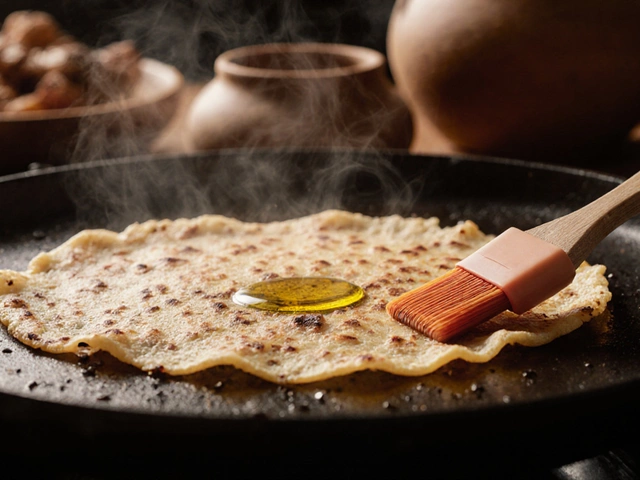
What makes these recipes work isn’t complexity—it’s technique. roti, a soft, round flatbread cooked on a hot griddle doesn’t need fancy equipment. Just flour, water, salt, and a little patience. Same with dosa, a crispy fermented rice crepe—it’s not hard to make, you just need to let the batter rest. Many people think they need to buy pre-made mixes or special pans, but the truth is, these dishes are designed to be simple. The real secret? Heat control, timing, and using fresh spices. You don’t need to toast ten different spices at once. One good cumin seed, a pinch of turmeric, and a splash of lemon can turn plain rice into something unforgettable.
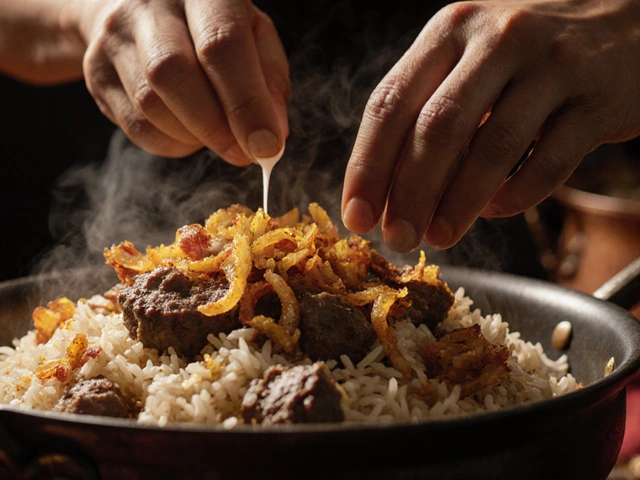
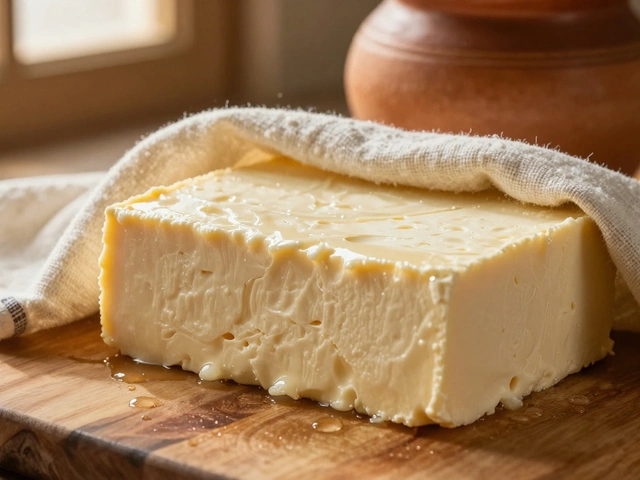
Easy Indian recipes aren’t just for beginners—they’re for anyone who wants flavor without fuss. Butter chicken, often called the gateway dish, is creamy, mild, and uses canned tomatoes and store-bought spices. Paneer, the Indian cottage cheese, doesn’t need hours of marinating if you know how to press it right. Even biryani can be simplified: cook the rice and meat separately, layer them, and let steam do the rest. These aren’t watered-down versions—they’re how millions of Indian households actually cook every day.
And if you’re worried about vegetarian options, you’re in luck. Over 400 million people in India eat no meat, and their meals are anything but boring. Lentils, chickpeas, spinach, potatoes, and yogurt form the foundation of flavor-rich plates that don’t miss meat at all. You’ll find dishes like lemon rice, tandoori vegetables, and chana masala that are quick, filling, and packed with protein—all without a single drop of meat.
What you’ll find below isn’t a list of gimmicks or trendy fusion bowls. These are real, tested recipes that come from kitchens across India—not restaurants, not food blogs, but homes where meals are made daily. Whether you’re cooking for one or feeding a crowd, you’ll find something that fits your time, your ingredients, and your taste. No fancy tools. No obscure spices. Just good food, made simple.
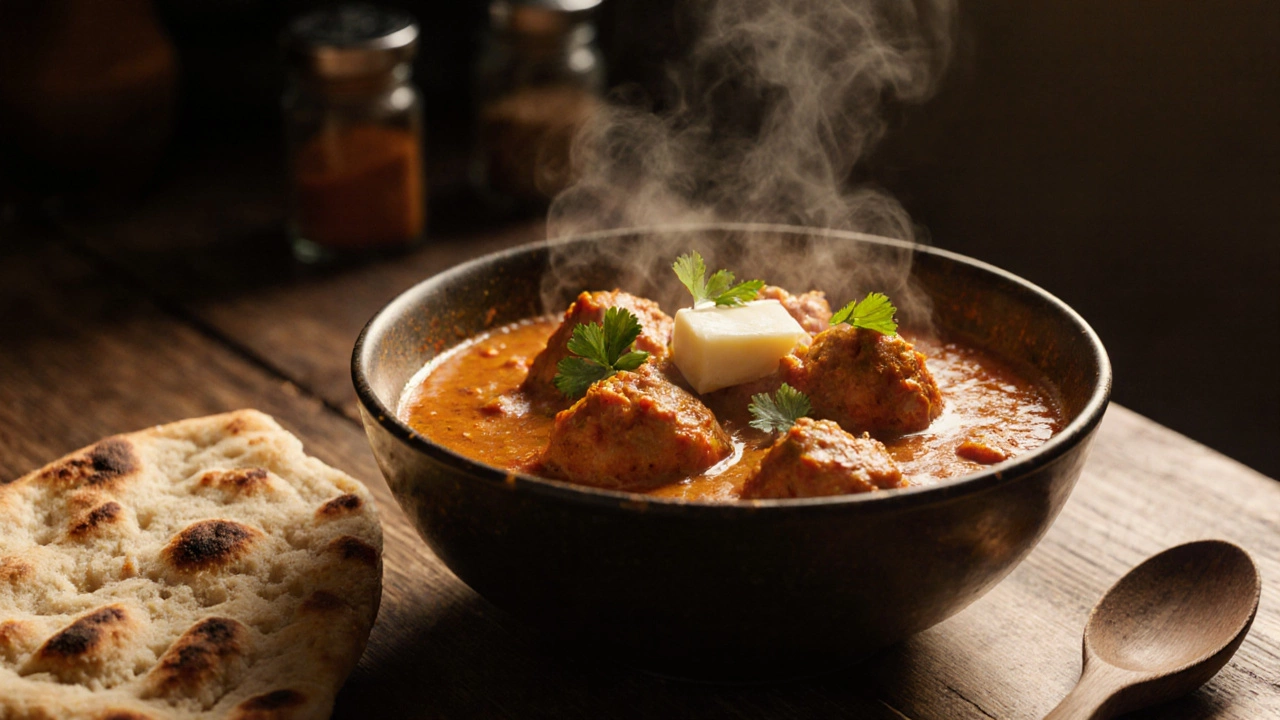
Butter Chicken is the best Indian dish for beginners-creamy, mild, and easy to make with just a few common ingredients. No fancy tools or spices needed.
Ever wondered what really counts as a classic Indian dish? This article digs into what makes certain foods truly iconic in Indian cuisine. You'll learn about famous dishes, how everyday Indian families cook, and tips for making classic flavors at home. Curious to know how butter chicken or a simple dal gets its status? This guide breaks it all down, and even shares easy ways to try these favorites in your own kitchen.
Wondering which Indian foods are actually the healthiest? This article breaks down what makes certain Indian dishes great for your health, and gives you real-world tips for choosing and preparing nutritious meals at home. You'll get facts about important ingredients, easy substitutions, and tricks to keep things tasty without piling on extra calories or oil. It's packed with realistic advice for real families, especially if you're looking to cook more healthy Indian meals without losing flavor. Whether you're new to Indian cooking or trying to make better food choices, this guide has you covered.
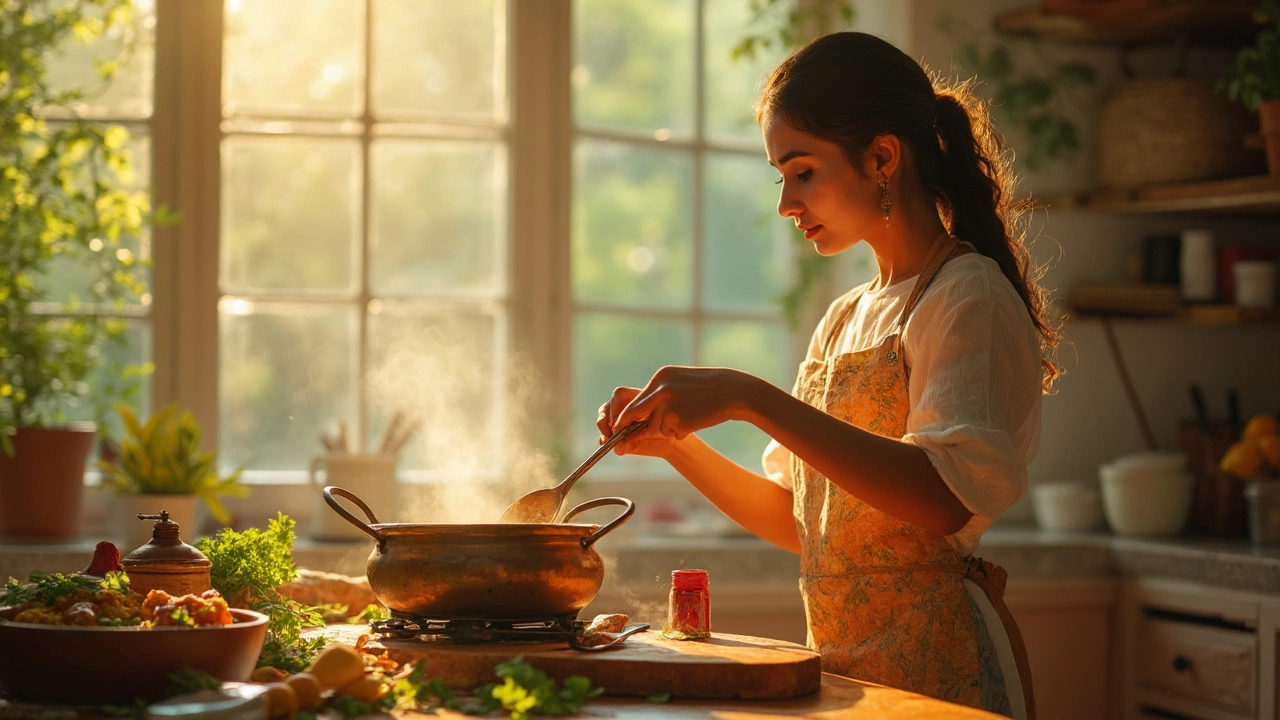
Indian cuisine is often associated with fiery flavors that can set one's mouth ablaze, but not all dishes are scorchers. This article explores the gentler side of Indian cooking, spotlighting deliciously mild recipes like creamy butter chicken that cater to those with a preference for less spice. Furthermore, learn practical tips on how to enjoy Indian cuisine without the heat. Whether you're spice-averse or simply curious about diverse flavor profiles, there's a tasty option waiting for you.