How Long Should I Soak Dal Before Cooking? Best Times for Every Type
Learn the right soaking times for different types of dal to cook faster, digest better, and get creamy results every time. No more hard lentils or bloating.
When you're making dal, a staple Indian dish made from cooked lentils, often served with rice or flatbread, the first step isn't cooking—it's soaking. Not all dals need it, but getting the dal soaking time right makes a huge difference in texture, digestibility, and how fast your pot comes to a boil. Skip this step blindly, and you might end up with gritty, undercooked lentils or a meal that sits heavy in your stomach. Soak them too long, and they turn mushy before you even turn on the stove. The right time? It depends on the type.
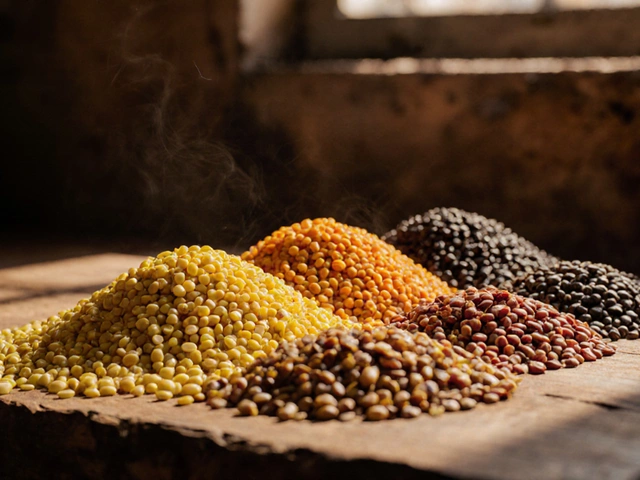
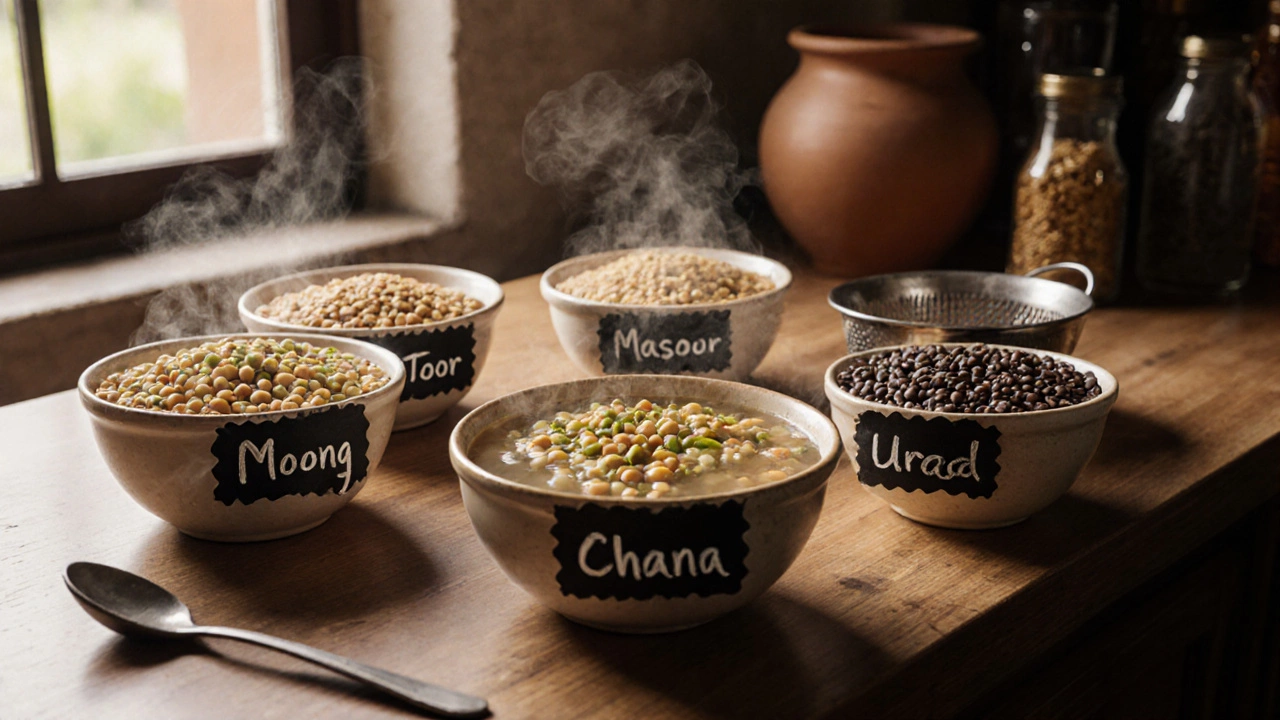
Moong dal, a bright yellow lentil often used in quick meals and baby food, needs just 30 minutes to 2 hours—enough to soften without losing shape. Toor dal, the orange lentil behind most South Indian sambar, asks for 2 to 4 hours. Chana dal, a small, nutty split chickpea used in curries and snacks,? That one needs 4 to 6 hours, sometimes overnight. And urad dal, the black lentil used for dosa batter and dal makhani,? It’s the toughest—8 to 12 hours, or even longer in cold weather. Why? Because soaking breaks down phytic acid, reduces cooking time by nearly half, and helps your body absorb more iron and protein.
Here’s the thing: you don’t always have to soak. Small, thin dals like masoor dal or red lentils cook fast even dry—just rinse them well and boil. But if you’re making dal makhani, chana dal curry, or any dish where creaminess matters, soaking isn’t optional. It’s the secret behind that melt-in-your-mouth texture you get at restaurants. And if you forget? Don’t panic. A quick soak in hot water for 30 minutes can work in a pinch. Just don’t skip rinsing—dals carry dust and debris that soaking helps wash away.
Temperature matters too. Soak in warm water if you’re in a hurry. Cold water works fine overnight, especially in summer. In winter, keep the bowl near the stove or in a warm corner. And never soak longer than 12 hours unless you’re refrigerating—fermentation starts, and your dal turns sour before you even cook it.
Once you get the rhythm of soaking times, you’ll notice how much smoother your dals become, how much less gas you get, and how quickly your pot comes to a simmer. It’s not magic—it’s just science you can control. The posts below cover exactly this: how to soak different dals, when you can skip it, how soaking affects flavor, and what to do if you’re short on time. Whether you’re making a quick weeknight dal tadka or a slow-cooked dal makhani, the right soak time is your first real step to better Indian cooking.
Learn the right soaking times for different types of dal to cook faster, digest better, and get creamy results every time. No more hard lentils or bloating.