What Makes a Delicious Curry? Essential Elements & Proven Tips
Learn the core ingredients, spice blending, cooking techniques and common pitfalls that turn a basic stew into a delicious curry.
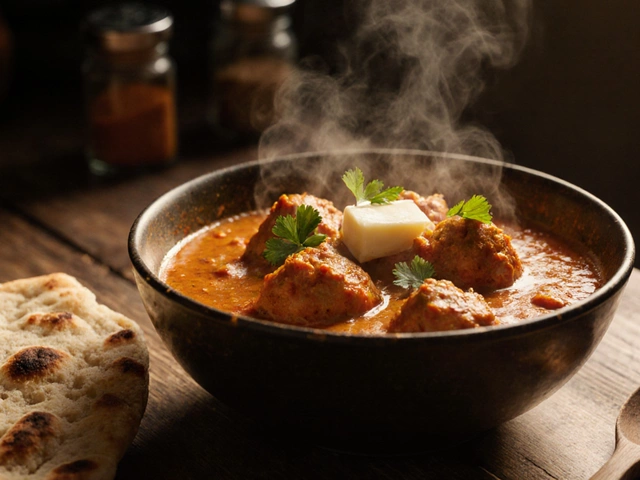
When you think of curry, a spiced, simmered dish with a rich sauce, often made with tomatoes, onions, and aromatics. Also known as curry sauce, it’s the heart of countless Indian meals—from creamy paneer butter masala to fiery goan fish curry. But here’s the truth: most people cook curry wrong. They throw spices into hot oil and call it a day. That’s not curry. That’s spice soup. Real curry is built layer by layer, with timing, temperature, and technique making all the difference.
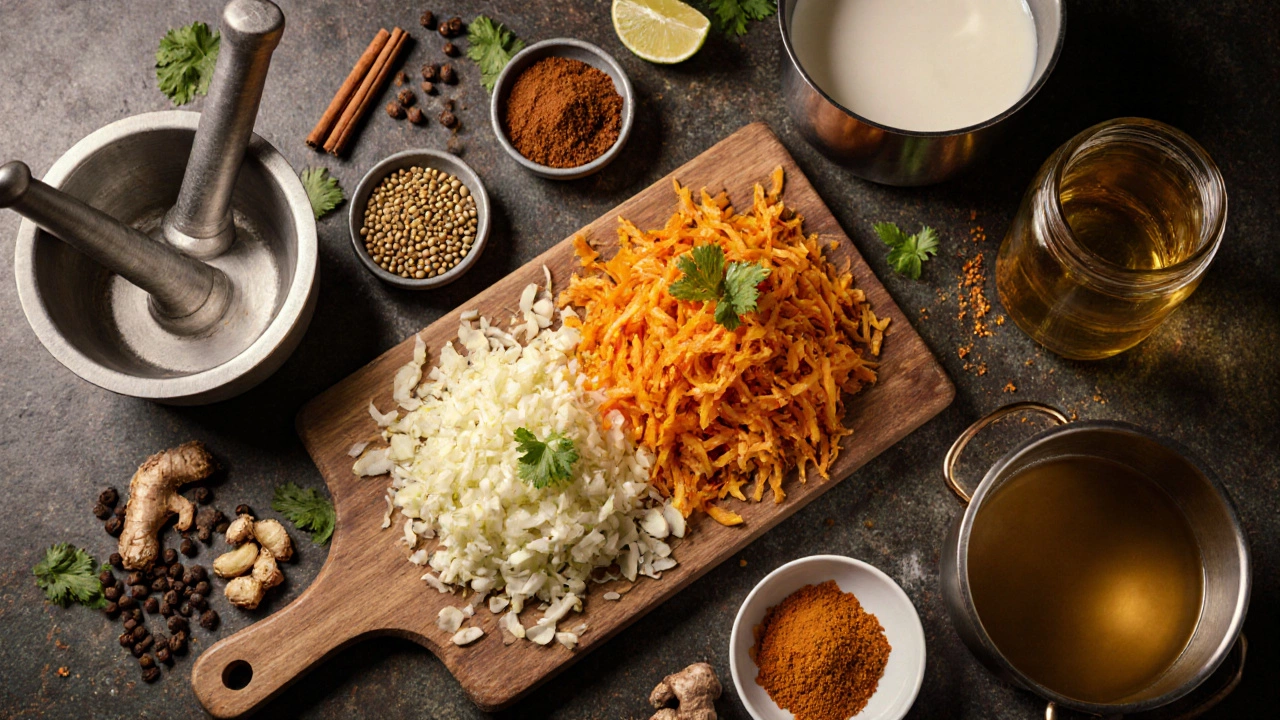
The secret isn’t just in the spices—it’s in how you handle them. Toasting cumin, coriander, and mustard seeds before adding liquid unlocks oils that bottled powders never can. Many skip this step, wondering why their curry tastes flat. The curry spices, a blend of whole and ground seeds, roots, and pods used to build depth in Indian dishes need heat to wake up. Then comes the curry base, the foundational layer of onions, garlic, ginger, and tomatoes that forms the body of the sauce. This isn’t just chopped veggies. It’s slow-cooked until the oil separates—that’s when you know it’s ready. Rush this, and your curry will taste raw, not rich.
Texture matters too. A good curry shouldn’t be watery or gloopy. It should cling to the spoon, thick enough to hold its shape but smooth enough to flow. That comes from simmering low and slow, not boiling hard. And don’t add cream or coconut milk too early—it breaks down the spices. Add it at the end, just to round out the edges. Even yogurt needs to be tempered, not poured straight in. Cold yogurt in hot curry? That’s how you get curdled disaster.
People think curry is all about heat. It’s not. It’s about balance. Sweet from onions, tang from tamarind, earthy from lentils, bright from cilantro. The best curries don’t shout—they whisper, letting each flavor take its turn. That’s why you’ll find recipes here that show you how to fix bitter, bland, or oily curries with simple fixes you didn’t know existed. You’ll learn why some cooks fry garlic in ghee before the onions, why turmeric needs fat to activate, and why letting curry rest overnight isn’t a myth—it’s science.
And it’s not just about the pot. Your tools matter. A heavy-bottomed pan spreads heat evenly. A wooden spoon doesn’t scratch the surface or scrape off flavor. And patience? That’s the one ingredient no store sells. You can’t buy it. You have to wait for it.
Below, you’ll find real fixes from real cooks—how to fix a too-thin curry, why your chicken turns rubbery, what oil to use for the crispest spices, and how to make your curry taste like it came from a Mumbai home kitchen, not a takeout box. No fluff. No guesswork. Just the tips that actually work.
Learn the core ingredients, spice blending, cooking techniques and common pitfalls that turn a basic stew into a delicious curry.