Creamy Curry: What Makes It Rich, Smooth, and Irresistible
When you think of creamy curry, a rich, smooth Indian dish made with dairy, coconut, or nuts to create a luxurious sauce. Also known as mild Indian curry, it’s the dish that turns skeptics into believers—no chili burn, just deep flavor wrapped in silk. This isn’t just sauce on rice. It’s the result of slow-cooked spices, balanced fats, and time-honored techniques that turn simple ingredients into something unforgettable.
What makes a curry truly creamy? It’s not just cream. In North India, paneer butter masala, a dish where soft cheese simmers in a tomato-based sauce thickened with butter and cream is the gold standard. In Kerala, coconut milk curry, a fragrant, slightly sweet sauce made by simmering spices in fresh coconut milk brings a different kind of richness. Even dal makhani, black lentils slow-cooked with butter and cream until velvety counts. These aren’t variations—they’re regional expressions of the same idea: texture as flavor.
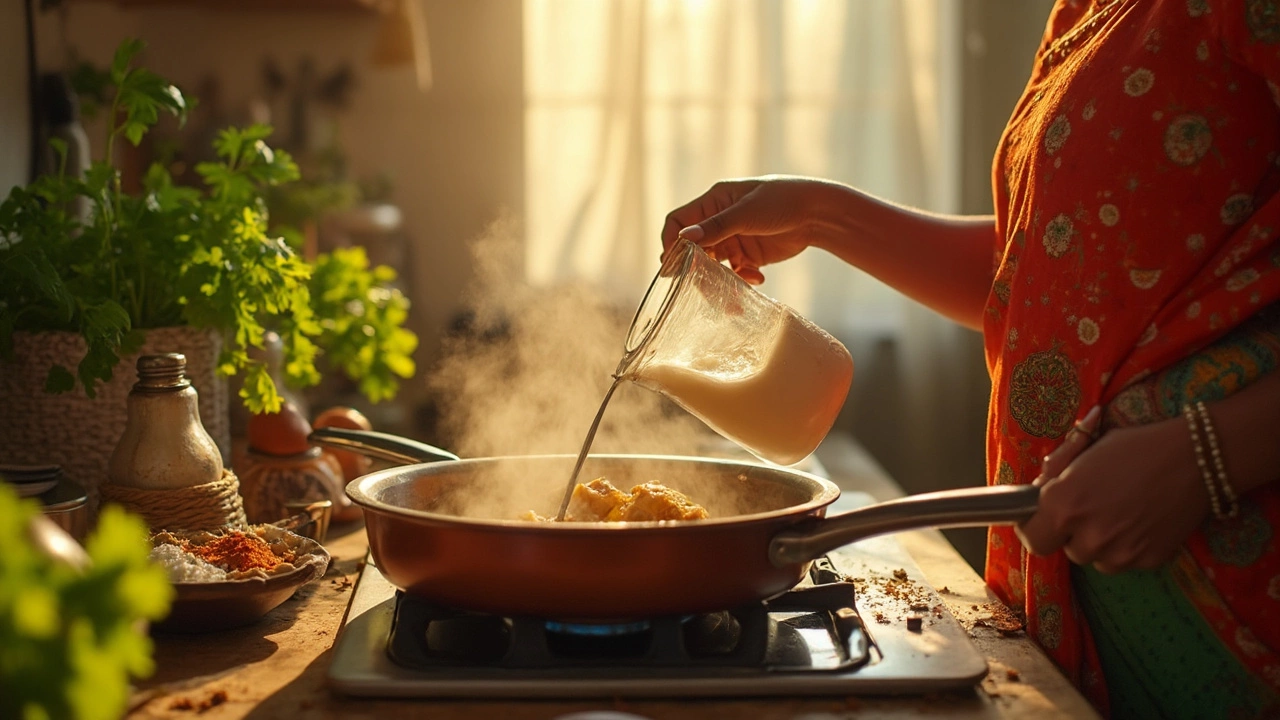
You don’t need fancy tools. No blender required. Just good ingredients and patience. The creaminess comes from emulsifying fat into the sauce—not pouring it in at the end. Toasting spices in ghee, letting onions caramelize, then stirring in yogurt or cream slowly—that’s the secret. Skip the shortcuts. If your curry tastes flat, it’s probably because the base wasn’t built right. And if it’s too thin? You didn’t let it reduce. Real creamy curry doesn’t come from a can. It comes from the pot, the heat, and the time.
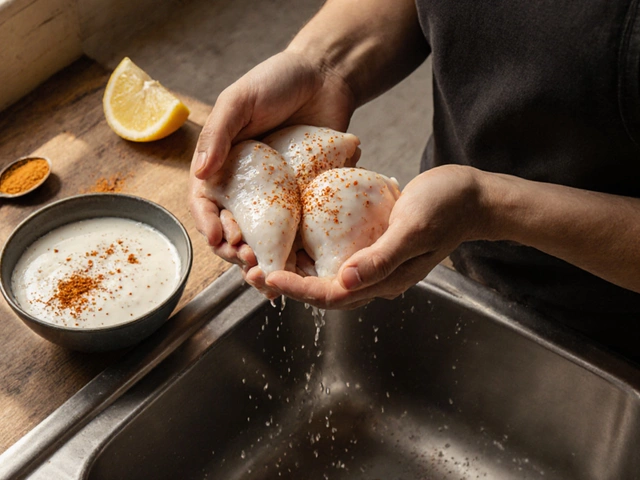
What you’ll find in the posts below isn’t just recipes. It’s the why behind the richness. Why butter chicken is the easiest starter. Why paneer needs marinating to absorb flavor. Why coconut milk beats heavy cream in some dishes. Why some curries stay light even when they feel heavy. These aren’t random picks. They’re the most practical, most tested guides to getting that perfect spoonful every time.