Cooking Hacks for Indian Food: Simple Tricks That Actually Work
When you're trying to make Indian cooking, the art of preparing flavorful, aromatic meals using regional techniques and everyday ingredients. Also known as home-style Indian cuisine, it's not about fancy tools or rare spices—it's about knowing the little things that make a big difference. Most people think Indian food is complicated, but the truth? It’s built on smart, time-tested cooking hacks passed down through generations. These aren’t internet trends—they’re practical fixes that work in real kitchens, from Mumbai apartments to village hearths.
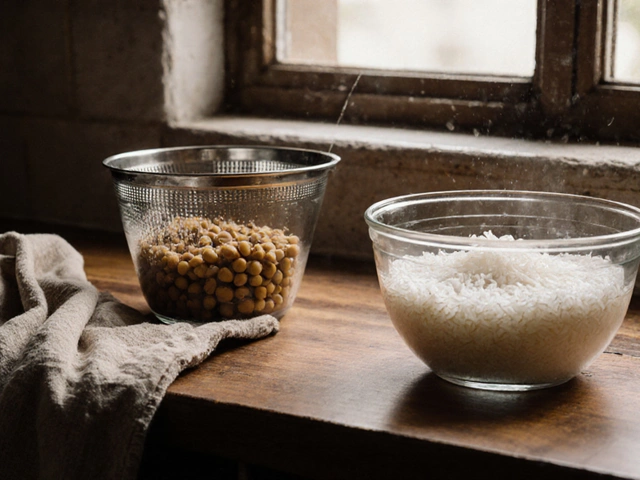
Take paneer, a fresh Indian cheese made from curdled milk, used in everything from curries to street snacks. Skipping the marinade? You’ll end up with dry, rubbery cubes. But a 15-minute soak in warm water and spices? That’s the hack that turns bland into buttery. Or dosa batter, a fermented rice and lentil mix that needs just the right time and temperature to crisp up perfectly. Too cold? It won’t rise. Too hot? It turns sour. The right fermentation window—8 to 12 hours depending on your climate—isn’t magic, it’s math. And dal soaking, the practice of letting lentils sit in water before cooking to reduce cooking time and improve digestion? Skip it, and you’ll be chewing hard lentils for 45 minutes. Soak them 30 minutes to 2 hours, depending on the type, and you’ll save fuel, time, and your jaw.
These hacks aren’t optional—they’re the reason your roti puffs, your biryani stays fluffy, and your tandoori chicken doesn’t taste like charcoal. You don’t need a professional oven to get that smoky char on chicken—just a hot grill and the right marinade. You don’t need expensive oil to make crispy dosas—just the right kind, like groundnut or coconut. And you don’t need to guess how much milk it takes to make paneer—3 liters gives you about 200 grams, no matter what the recipe says. These are the truths hidden in plain sight, the kind of details that turn good meals into great ones.
What you’ll find below isn’t a list of random tips. It’s a collection of real fixes from real cooks—how to stop your biryani from being mushy, why your naan turns out tough, what oil actually makes dosas crisp, and why rinsing yogurt off chicken before cooking is a mistake. These posts cut through the noise. No fluff. No theory. Just what works, tested in kitchens across India. Whether you’re making your first dal tadka or perfecting your spice blend, these hacks are the shortcuts that actually lead to better food.