Cooking Dal: Simple Tips for Perfect Lentils Every Time
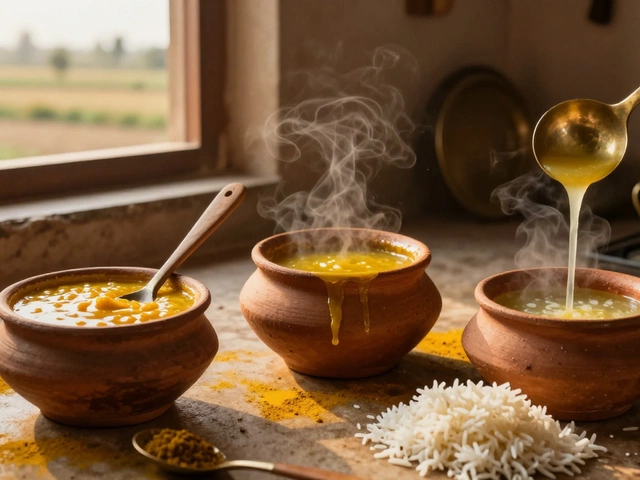
When you think of cooking dal, a staple lentil dish in Indian homes that’s simple, nutritious, and deeply comforting. Also known as dal tadka, it’s the foundation of everyday Indian meals—eaten with rice, roti, or even on its own. This isn’t fancy cooking. It’s the kind of food that keeps families fed, day after day, with just lentils, water, spices, and a little patience.
But cooking dal isn’t just boiling lentils until they’re soft. It’s about timing, technique, and knowing which type of dal you’re working with. Red lentils cook fast, but whole black lentils? They need soaking overnight. Skip that step, and you’ll end up with gritty, undercooked beans that upset your stomach. That’s why so many posts here focus on dal soaking time, how long different lentils need to sit in water before they cook evenly and digest easily. It’s not magic—it’s science. Soak them right, and you get creamy texture without mush. Don’t soak them, and you get bloating and frustration.
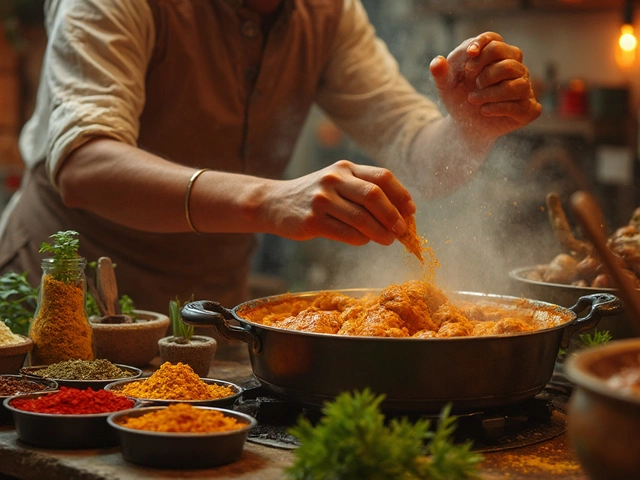
Then there’s the dal tadka, the final sizzle of spices in hot oil that turns plain lentils into something unforgettable. This isn’t optional. It’s the soul of the dish. Cumin, mustard seeds, dried chilies, garlic—fired up in ghee or oil, then poured over the dal. That’s what makes it smell like home. And if you’re worried about health, you’re not alone. Many people ask how to make healthy lentil recipes, lentil dishes that keep protein and fiber intact without cream, butter, or too much oil. The answer? Use less oil, skip the cream, and let the spices do the work. Dal is naturally high in iron, fiber, and plant-based protein. You don’t need to ruin it with extras.
What you’ll find below are real, tested ways to fix the most common problems: dal that’s too watery, too bland, too hard, or too slow to cook. You’ll learn why some dals need longer soaking, how to tell when they’re done without tasting every spoonful, and which spices pair best with each type. Some posts even explain why the color changes when you add tomatoes, or how to store leftover dal so it tastes better the next day. This isn’t about following a rigid recipe. It’s about understanding the rhythm of cooking dal—so you can make it your own, every time.