Cooking Advice for Indian Food: Practical Tips from Real Recipes
When it comes to cooking advice, practical, tested tips that work in everyday Indian kitchens. Also known as Indian cooking tips, it’s not about fancy techniques—it’s about knowing why you soak dal, how to get a perfect roti puff, and why you shouldn’t rinse yogurt off tandoori chicken. Most online guides give you steps. Real cooking advice explains the why behind them.
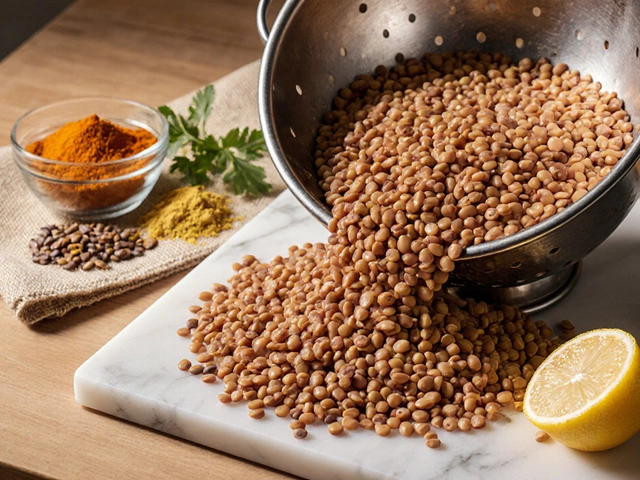
Take paneer, fresh Indian cheese made by curdling milk with acid. Also known as Indian cottage cheese, it’s used in everything from butter paneer to street food snacks. Skip marinating it? You’ll get rubbery, bland bites. Marinate it right—with yogurt, spices, and time—and it turns tender and flavorful. Same with dal, lentils cooked into a simple, nourishing stew. Also known as lentil curry, it’s the backbone of Indian meals. Soak it too short? It stays hard. Soak it too long? It turns mushy. The right time depends on the type—masoor dal needs 30 minutes, chana dal needs 4 hours. This isn’t guesswork. It’s science.
Then there’s dosa batter, fermented rice and lentil batter used to make crispy South Indian pancakes. Also known as fermented dosa batter, it’s finicky if you don’t know the rules. Ferment it in a cold kitchen? It won’t rise. Use the wrong ratio of rice to urad dal? It won’t crisp up. The best cooking advice doesn’t say "let it sit overnight." It says: "If your kitchen is 25°C, ferment for 8–10 hours. If it’s 18°C, go 14 hours. Add a pinch of fenugreek seeds if it’s slow." That’s the difference between a good dosa and a perfect one.
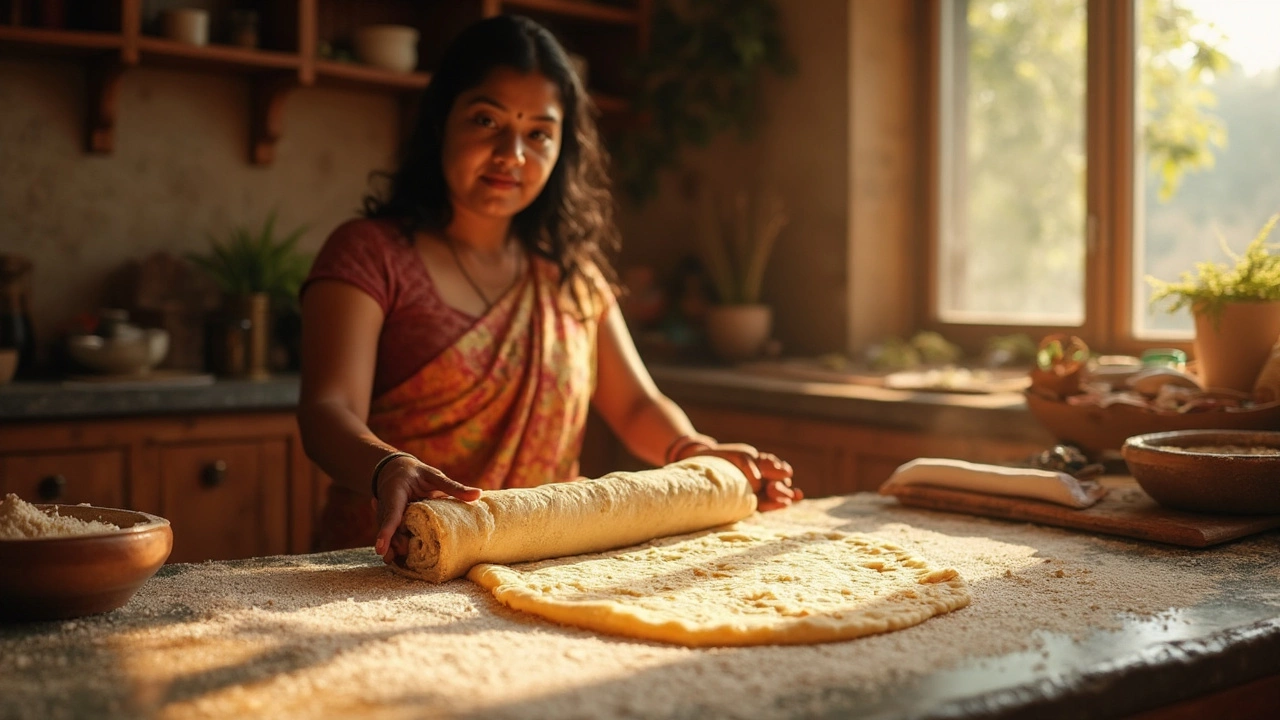
You’ll find answers here for the questions no one tells you: Why does roti have to be round? Why is tandoori chicken black inside? Should you rinse yogurt off chicken? Is jaggery better than sugar in sweets? These aren’t random questions—they’re the real problems people run into when cooking Indian food at home. The posts below give you direct, no-fluff answers based on what actually works in homes across India—from Mumbai kitchens to Punjabi villages.
This isn’t about following trends. It’s about learning the rules that have held up for generations—and knowing when to bend them. Whether you’re making biryani for the first time or trying to fix a batch of soggy dosas, the advice here is built from trial, error, and decades of home cooking. No theory. No fluff. Just what you need to get it right.