Cook Chicken Before Curry: Why Pre-Cooking Matters for Flavor and Texture
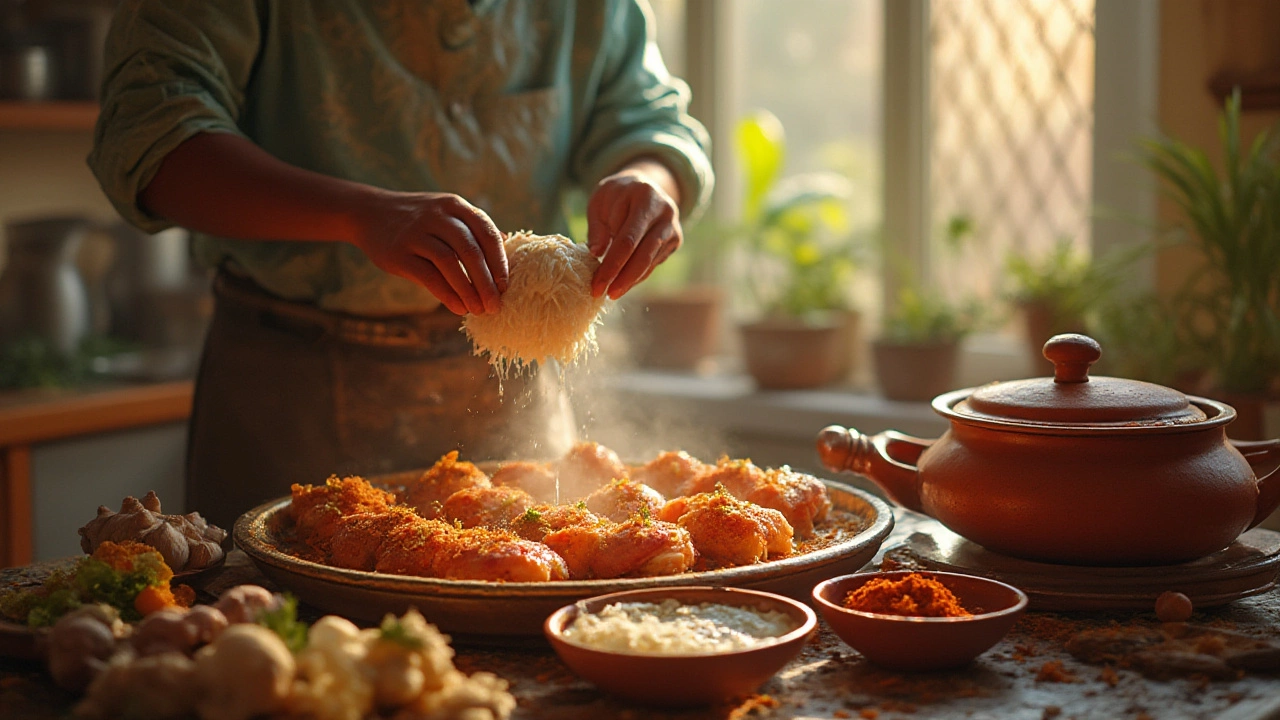
When you cook chicken before curry, the process of searing, grilling, or frying chicken before adding it to a spiced sauce. Also known as browning chicken, it’s not just tradition—it’s science. Skipping this step often leaves your curry watery, bland, and lacking depth, no matter how many spices you toss in. Indian home cooks don’t just throw raw chicken into simmering sauce. They’ve known for generations that heat transforms flavor. The Maillard reaction—the browning that happens when proteins and sugars react under high heat—creates complex, savory notes that simmering alone can’t achieve.
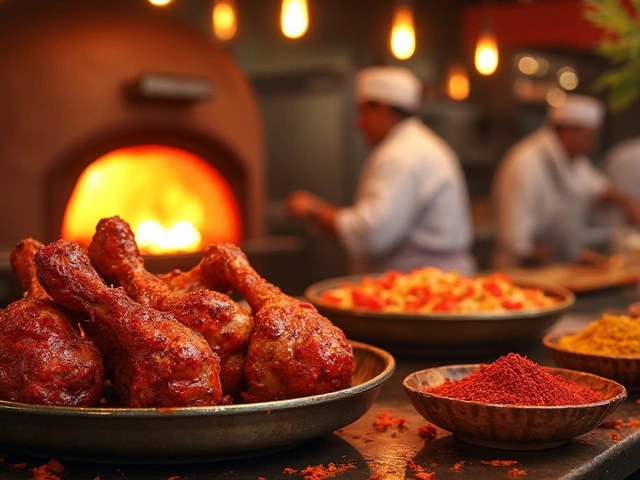
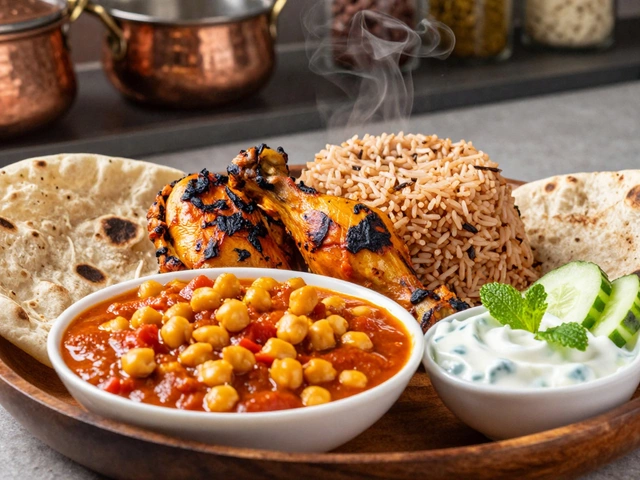
Think about tandoori chicken, a dish where chicken is marinated in yogurt and spices, then cooked in a clay oven at high temperatures. This isn’t just for color—it’s the foundation of flavor. The same logic applies to chicken tikka, small pieces of chicken grilled on skewers before being added to a creamy sauce. In both cases, the chicken is already cooked and charred before it meets the curry. That’s why restaurant versions taste richer and more layered than home versions where chicken is boiled straight in the sauce.
Not cooking chicken first also affects texture. Raw chicken added to a slow-simmered curry absorbs too much liquid, turning rubbery and dull. Pre-cooked chicken holds its shape, stays juicy, and lets the spices cling to its surface instead of getting lost in the broth. You’ll notice this difference even in simple dishes like chicken curry—the one your grandma made with onions, tomatoes, and cumin. If she browned the chicken first, you remember that deep, smoky taste. If she didn’t, you probably remember something flat and forgettable.
Some people think pre-cooking adds extra steps. But in Indian kitchens, it’s built into the rhythm. You sear the chicken while the onions caramelize. You grill it while the spices toast in oil. It’s not extra work—it’s smart timing. And if you’re short on time? Use leftover tandoori chicken, grilled chicken from last night’s dinner, or even rotisserie chicken. Just skip the boiling step.
There’s also a cultural truth here: Indian cuisine values texture as much as taste. A curry isn’t just a sauce—it’s a balance of chew, crunch, and tenderness. Chicken that’s been cooked before being added to the sauce brings that balance. It’s why dishes like butter chicken, a creamy tomato-based dish with grilled chicken, are so popular worldwide. The chicken isn’t boiled in the sauce—it’s finished in it.
So if your chicken curry tastes off, don’t blame the spices. Don’t blame the curry powder. Look at how you treated the chicken. Did you just drop it in and walk away? Or did you give it a proper start? The difference isn’t subtle. It’s the difference between a meal you remember and one you forget.
Below, you’ll find real recipes and tips from Indian kitchens that show you exactly how to get this right—whether you’re using a pan, grill, or tandoor. No guesswork. Just clear steps that make your chicken curry taste like it came from a home in Punjab, Delhi, or Chennai.