Chutney Recipes: Authentic Indian Chutney Types and Easy Homemade Ideas
When you think of Indian food, you might picture curries or biryanis—but chutney, a vibrant, tangy condiment made from fresh ingredients like herbs, fruits, and spices. Also known as chatni, it’s the secret punch that lifts every bite from bland to brilliant. It’s not just a side—it’s the soul of the meal. Whether it’s cooling down spicy tandoori chicken or waking up a plain dosa, chutney is what turns a simple plate into something unforgettable.
Indian chutney, a vibrant, tangy condiment made from fresh ingredients like herbs, fruits, and spices. Also known as chatni, it’s the secret punch that lifts every bite from bland to brilliant. It’s not just a side—it’s the soul of the meal. Whether it’s cooling down spicy tandoori chicken or waking up a plain dosa, chutney is what turns a simple plate into something unforgettable.
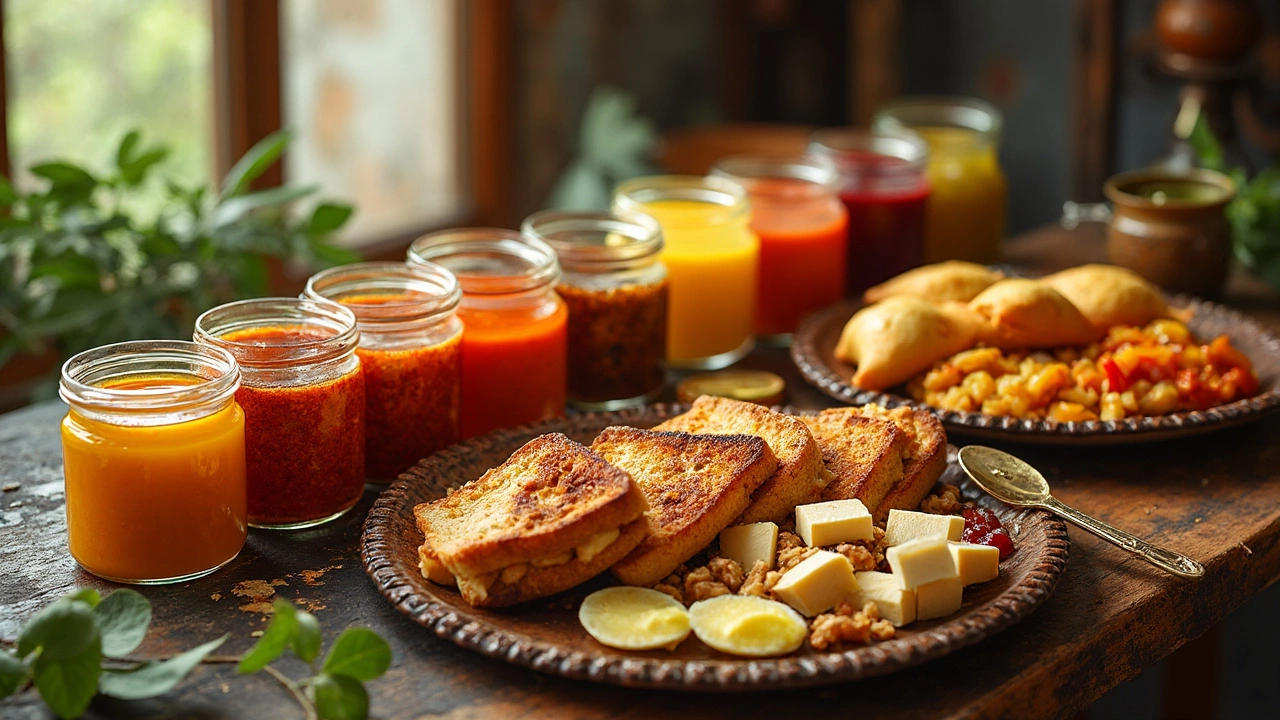
There’s more to chutney than just mint and tamarind. You’ve got coconut chutney, thick and creamy, perfect with idli. Then there’s tomato chutney, slow-cooked with mustard and garlic, packed with umami. Mango chutney? Sweet, sour, and spiced—often aged for months to deepen the flavor. And don’t forget green chutney made with cilantro, green chilies, and roasted peanuts. Each one is tied to a region, a meal, or even a festival. These aren’t just recipes—they’re traditions passed down in kitchens across India.
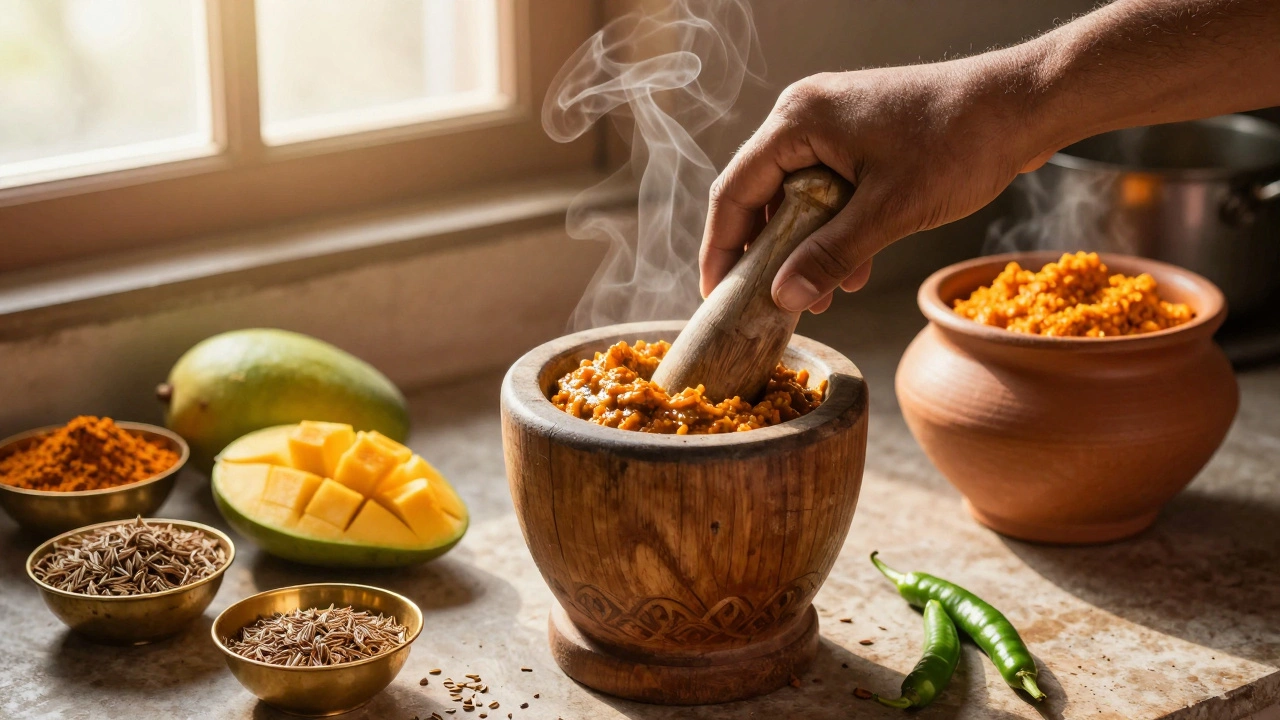
What makes a great chutney? Freshness. Texture. Balance. You don’t need fancy tools—a mortar and pestle works better than a blender for some types because it crushes, not chops, releasing oils slowly. The right chutney should be sharp enough to make your mouth water but smooth enough to spread. And it’s not just about taste—it’s about timing. Coconut chutney tastes best the same day it’s made. Tomato chutney? It improves over days. Knowing when to eat what is part of the craft.
You’ll find chutney in every Indian home, but rarely the same way twice. A grandmother might use jaggery in her mango chutney. A street vendor might add roasted cumin to his mint version. The ingredients are simple—cilantro, tamarind, garlic, chili, coconut, lemon—but the magic is in the proportions. And that’s what this collection is for: to show you the real versions, not the watered-down ones you get in restaurants. These are the recipes that actually get eaten in homes across Karnataka, Maharashtra, Punjab, and Tamil Nadu.
Some of the posts here will teach you how to fix a bland chutney. Others will show you why you shouldn’t boil mint chutney. One will explain why coconut oil makes a difference in Kerala-style chutneys. You’ll learn how to store them, how long they last, and which ones freeze well. No fluff. No guesswork. Just clear, tested methods from people who cook this every day.
Chutney isn’t just an afterthought. It’s the flavor anchor. And once you start making your own, you’ll wonder how you ever ate Indian food without it.