Chicken Preparation: Master Indian-Style Marinating, Cooking, and Flavor Techniques
When it comes to chicken preparation, the way you handle chicken before cooking makes all the difference in flavor, texture, and authenticity. Also known as Indian chicken cooking, it’s not just about throwing meat in a pan—it’s about marinating, resting, and cooking with intention. Skip the shortcuts, and you’ll end up with dry, bland chicken. Do it right, and you get tender, smoky, spiced bites that stick to your memory—and your plate.
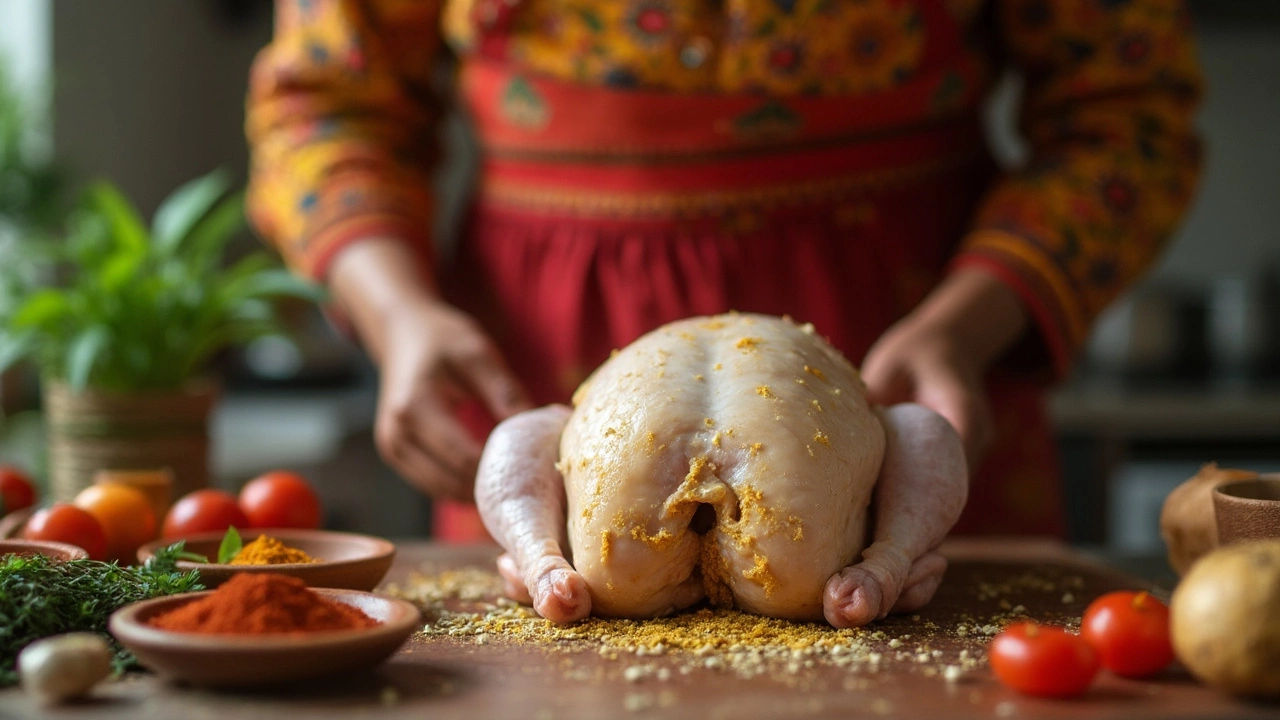
Most Indian chicken dishes start with a yogurt marinade, a base that tenderizes and carries spices deep into the meat. Also known as curd marinade, it’s the secret behind dishes like tandoori chicken, a dish cooked in a clay oven with charred edges and bright red color, and chicken tikka, smaller, skewered pieces with a richer spice profile. The difference isn’t just size—it’s in how long you marinate, what spices you use, and whether you rinse the yogurt off before cooking (you shouldn’t). The yogurt doesn’t just add tang; it creates a protective layer that locks in moisture during high-heat cooking. Skip it, and your chicken turns rubbery. Rinse it, and you wash away the flavor. Let it sit overnight, and you get restaurant-quality results at home.
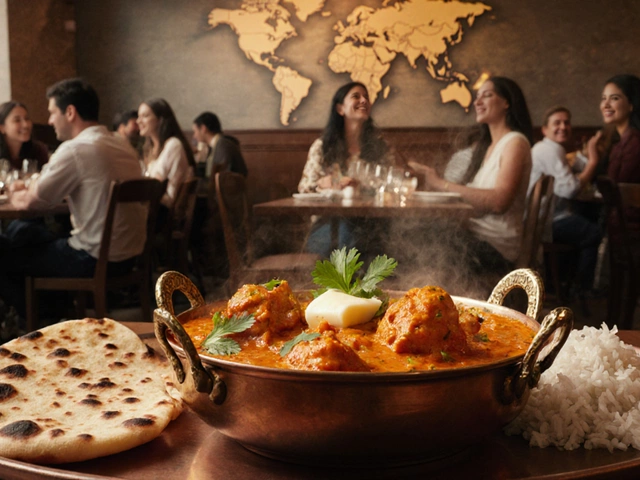
There’s a reason tandoori chicken turns dark inside—it’s not burnt. It’s caramelized spice and natural charring from intense heat. That’s part of the process, not a mistake. Same goes for how you cut the chicken: bone-in pieces stay juicier, but boneless works fine if you don’t overcook it. And don’t assume all Indian chicken dishes are spicy. Some, like butter chicken, are mild and creamy, built on a foundation of properly prepared chicken. The key is control: control over marination time, heat level, and cooking method. Whether you’re using a grill, oven, or stovetop, the goal is the same—crisp outside, juicy inside, deeply spiced.
What you’ll find in the posts below are real, tested methods from Indian kitchens—not theory, not guesswork. You’ll learn why rinsing yogurt marinade ruins tandoori chicken, how to fix blackened spots without losing flavor, and why chicken tikka and tandoori chicken aren’t the same thing. You’ll see exactly how long to marinate, what oils to use, and which spices make the biggest difference. No fluff. No filler. Just what works.