Chicken Curry Tips: Master Flavor, Texture, and Technique
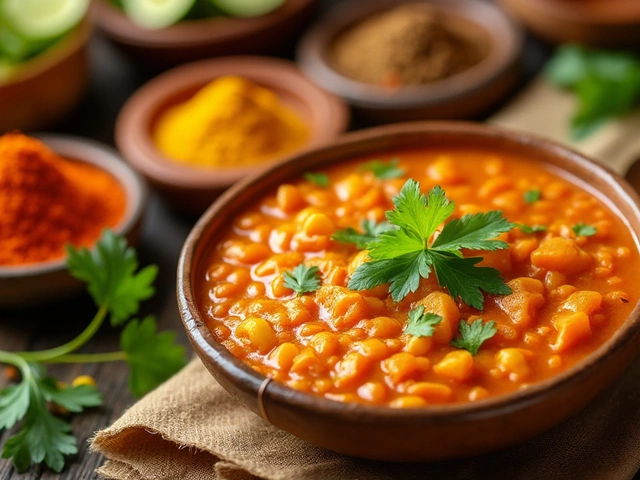
When you think of chicken curry, a rich, spiced Indian dish made with tender chicken, onions, tomatoes, and aromatic spices. Also known as chicken masala, it's one of the most loved dishes in Indian homes—not because it's complicated, but because it's simple when done right. Too many people ruin chicken curry by rushing the process, skipping the marinade, or adding spices at the wrong time. The secret isn't in exotic ingredients—it's in timing, temperature, and technique.
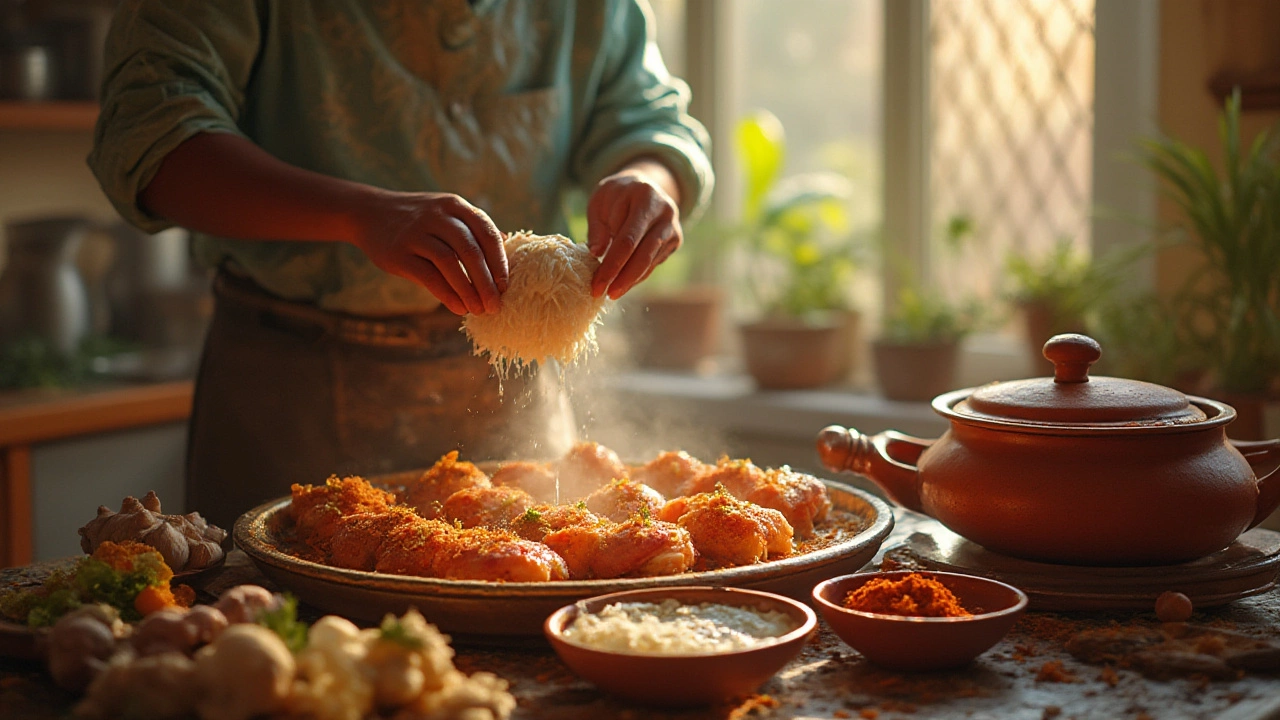
Here’s what actually matters: yogurt marinade, a mixture of yogurt, ginger, garlic, and spices that tenderizes chicken and locks in moisture. Skip this, and your chicken turns dry and tough. You don’t need hours—just 30 minutes in the fridge makes a difference. Then there’s spice toasting, the practice of frying whole spices like cumin, cardamom, and cloves in oil before adding onions. This releases oils that carry flavor deep into the sauce, not just on top. Most recipes skip this, but it’s the difference between good and unforgettable.
Another big mistake? Adding tomatoes too early. If you dump them in while the pan is still cold, they release water and steam the onions instead of letting them caramelize. Wait until the oil separates from the onion-ginger-garlic paste. That’s your signal the base is ready. Then add tomatoes and cook until they melt into a thick paste. That’s where the body of your curry comes from. And don’t stir too much after adding the chicken—let it sear slightly before stirring. It keeps the pieces from turning mushy.
Some think cream or coconut milk makes curry better. Not true. The richness comes from slow cooking and the natural fats in the chicken skin and spices. If you want creaminess, use cashew paste or ground poppy seeds—real Indian tricks, not Western shortcuts. And always finish with a pinch of sugar. It doesn’t make it sweet—it balances the acidity and makes every other flavor pop.
You’ll find posts here that break down exactly how to make chicken curry without burning spices, how to fix a watery sauce, and why some recipes call for turmeric at the start while others add it at the end. There are tips on using tandoori chicken leftovers, how to adjust heat levels for kids, and why you should never use pre-ground cumin. Every post is based on real home cooking—not restaurant showmanship. These aren’t fancy tricks. They’re the small things Indian moms and grandmas have done for generations. And if you do them right, your chicken curry won’t just taste good—it’ll taste like home.