Biryani Recipe Tips: Master the Flavors, Layers, and Secrets of Perfect Biryani
When you think of biryani, a layered rice dish from India with spiced meat, aromatic rice, and slow-cooked flavors. Also known as biryani rice, it’s not just a meal—it’s an event. This dish brings together regional styles, from Hyderabadi to Lucknowi, and each one has its own rules for spice, layering, and cooking time. But most people miss the real secrets that make biryani stick in your memory. It’s not about using more spices. It’s about knowing when to toast them, how long to soak the rice, and why resting matters more than cooking.
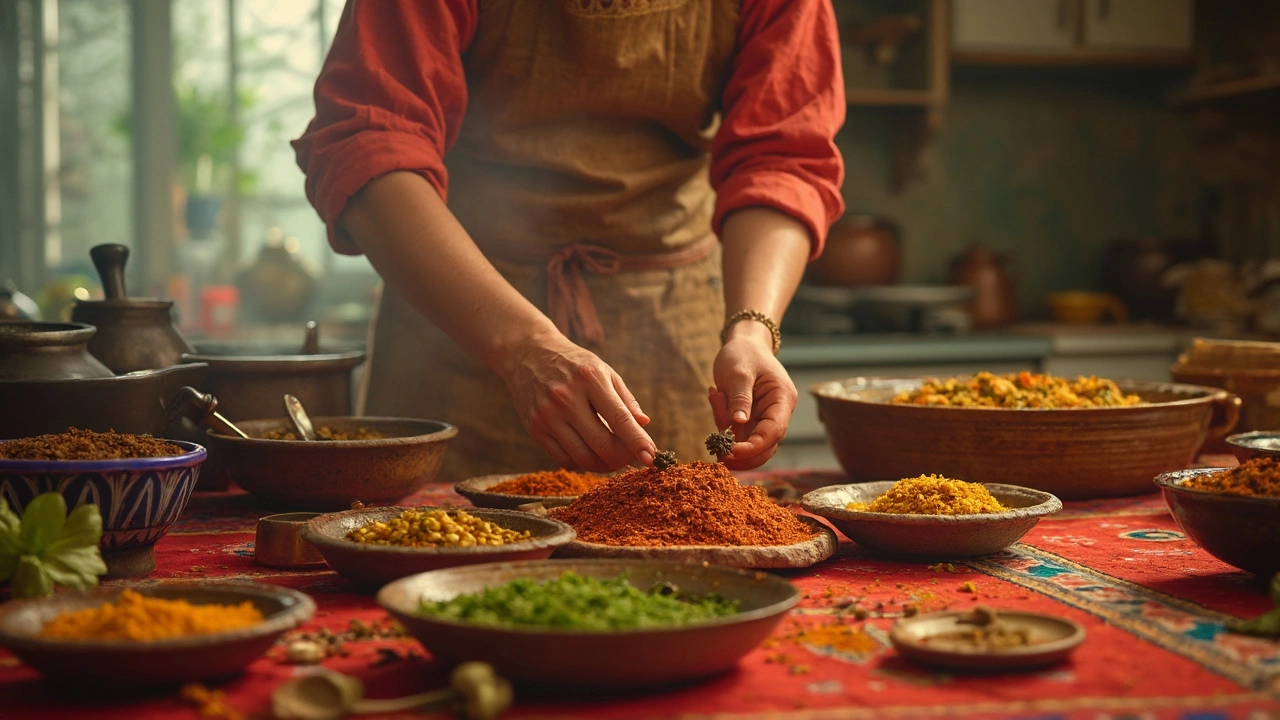
Biryani spices, a blend of whole and ground aromatics like cardamom, cloves, cinnamon, and bay leaves. Also known as biryani masala, it needs to be toasted in hot oil before anything else hits the pot. Skip this step, and your biryani tastes flat. The same goes for the rice—basmati must be soaked for 30 minutes, not rushed. Undercooked rice ruins the whole dish, no matter how good the meat is. And layering? It’s not just putting meat on rice and vice versa. You need thin layers, even distribution, and a tight seal with dough or foil to trap steam. That’s what makes the rice absorb flavor without turning mushy.
Biryani rice prep, the process of washing, soaking, and par-cooking basmati rice to the right firmness. Also known as parboiled rice for biryani, it’s the foundation. Too soft, and it turns to paste. Too hard, and it stays crunchy in the middle. The trick? Boil it 70% done, then drain and cool. That way, it finishes cooking slowly in the dum, absorbing the meat juices without falling apart. And don’t forget the resting time. After cooking, let it sit covered for 20 minutes. No peeking. This lets the steam redistribute, melds the flavors, and softens the edges of the rice. People skip this and wonder why their biryani doesn’t taste like the restaurant version.
These aren’t just tips—they’re the non-negotiables. The best biryani isn’t made with expensive ingredients. It’s made with attention. You don’t need a tandoor or a special pot. Just a heavy-bottomed pan, good spices, and patience. What you’ll find below are real, tested methods from home cooks across India—no fluff, no filler. Just what works. Whether you’re making chicken biryani for the first time or tweaking your family recipe, these posts give you the exact steps, the common mistakes, and the small fixes that make all the difference.