Biryani Flavors: Discover the Regional Styles and Secret Spices That Make Each One Unique
When you think of biryani flavors, the layered, spiced rice dishes that define celebratory meals across India. Also known as Indian biryani, it's not just one dish—it's a family of regional styles, each with its own soul, spice blend, and cooking rhythm. Some are fiery and bold, others subtle and aromatic. Some use fried onions as a crown, others rely on slow-steamed rice for texture. The difference isn’t just in the recipe—it’s in the history, the heat, and the hand that made it.
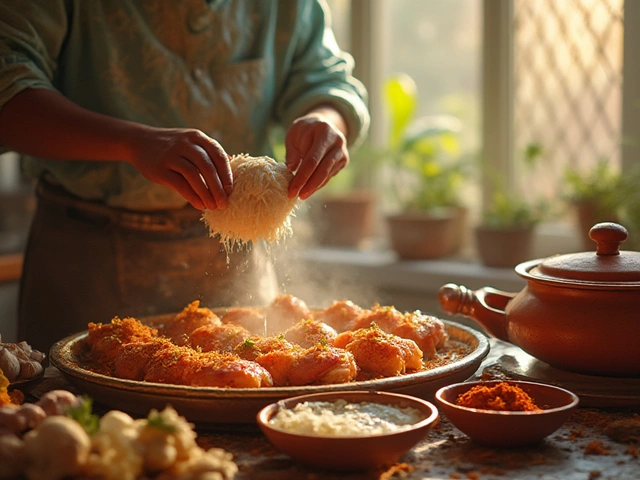
Take Hyderabadi biryani, a layered masterpiece from South India that uses kewra water, saffron, and chili-heavy marinades. It’s cooked in a sealed pot, trapping steam to infuse every grain with meaty depth. Then there’s Lucknowi biryani, a delicate North Indian version where the meat and rice are cooked separately and gently folded together. No frying, no heavy spices—just slow cooking, rose water, and patience. And don’t forget Calcutta biryani, a sweet-and-savory hybrid with potatoes, boiled eggs, and a touch of sugar. Each one tells a story—of royal kitchens, trade routes, and family secrets passed down for generations.
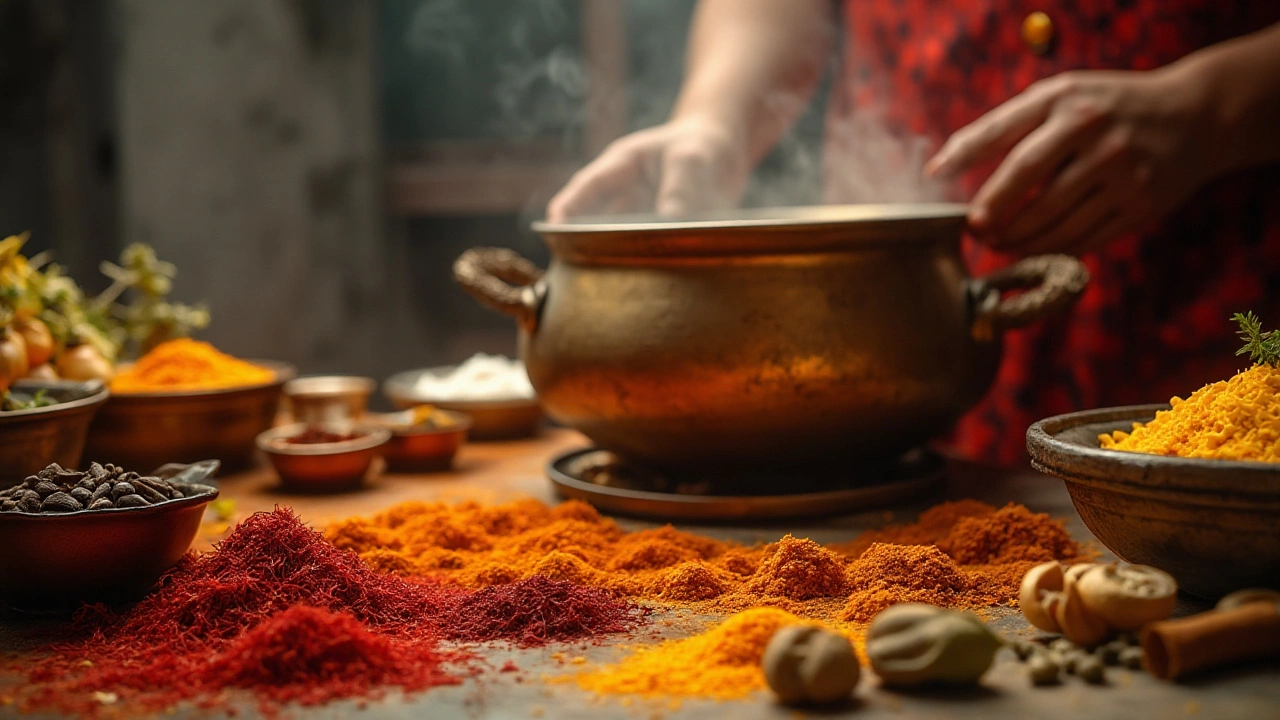
The magic of biryani isn’t just in the spices—it’s in how they’re used. Toasting cumin and cardamom before grinding? That’s the difference between flat flavor and deep aroma. Soaking saffron in warm milk before drizzling it over the rice? That’s what turns golden strands into a scent that lingers on your clothes. And the layering? It’s not decoration—it’s science. The bottom layer gets the most heat, the top gets the most steam. Get it wrong, and your rice stays hard. Get it right, and each bite feels like a revelation.
What you’ll find in the posts below aren’t just recipes. They’re breakdowns of what makes each biryani tick. How to toast spices so they don’t burn. Why yogurt matters more than you think. How to make the rice fluffy without overcooking. And yes—how to fix it when your biryani turns out too dry, too salty, or too bland. These aren’t tips from a chef in a white hat. These are the real tricks from kitchens across India—the kind you only learn when you’ve burned a pot or two and kept trying anyway.