Biryani: The Ultimate Indian Rice Dish with Layers of Flavor
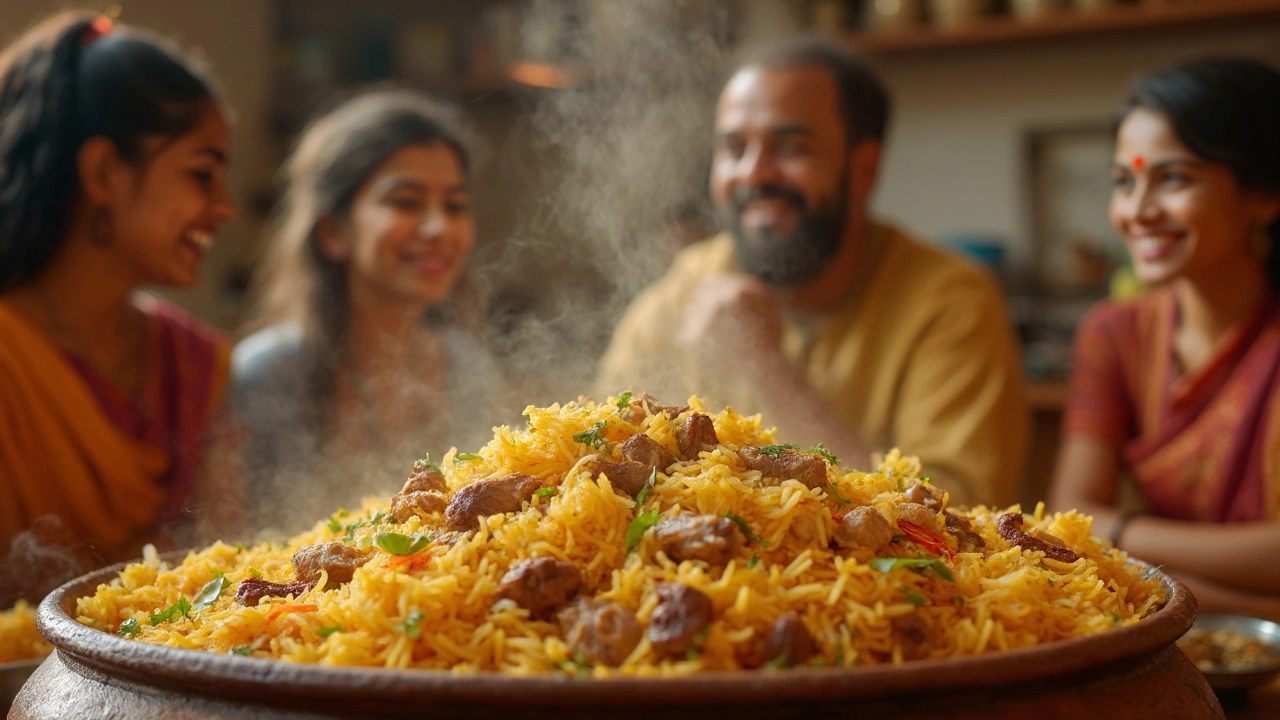
When you think of biryani, a fragrant, layered rice dish from India that combines spiced meat or vegetables with long-grain basmati rice. Also known as biriani, it’s not just a meal—it’s an event. This dish carries the weight of centuries, passed down through families in Hyderabad, Lucknow, Kolkata, and beyond, each version telling its own story. What makes biryani different from plain rice or even curry? It’s the layering. You don’t just mix everything together. You build it—rice, meat, fried onions, saffron, cardamom, and sometimes hard-boiled eggs—each layer adding its own texture and aroma. The magic happens when it’s sealed and cooked slowly, letting steam carry the spices deep into every grain.
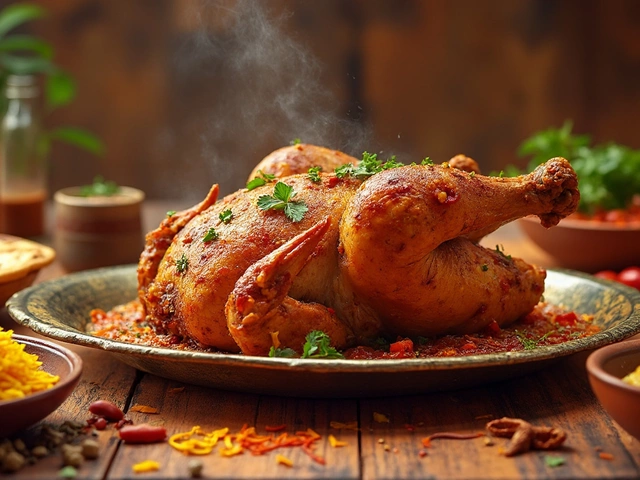
There’s no single way to make biryani. In Hyderabad, it’s spicy and rich with kheema and saffron-soaked rice. In Kolkata, it’s lighter, with potatoes and boiled eggs, a legacy of British influence. In Lucknow, it’s all about the dum technique—slow cooking in a sealed pot, where the rice stays separate and each grain sings. You’ll find chicken, goat, lamb, even vegetarian versions with cauliflower or paneer. But no matter the variation, the core stays the same: basmati rice, a long-grain aromatic rice that stays fluffy and doesn’t stick. Also known as Indian long-grain rice, it’s the foundation that holds the whole dish together. Then there’s the spice blend—cumin, cloves, cinnamon, bay leaves, star anise, and cardamom. These aren’t just added; they’re toasted, ground, and sometimes fried in ghee to unlock their full flavor. And let’s not forget the fried onions. Crispy, golden, sweet—they’re not garnish. They’re essential.
People often think biryani is hard to make. It’s not. It’s just patient. You need to get the rice just right—parboiled, not fully cooked. You need to layer it gently, so the flavors don’t get crushed. And you need to let it rest after cooking. That’s when the magic settles. Skip any of these steps, and you’re just eating spiced rice with meat. Get them right, and you’ve got something that lingers in your memory long after the plate is empty.
What you’ll find in the posts below isn’t just recipes. It’s the secrets behind perfect texture, how to make biryani tastier without more spices, why resting matters more than you think, and how to avoid the common mistakes that turn a good biryani into a soggy mess. Whether you’re new to Indian cooking or you’ve made it a dozen times, there’s something here that’ll change how you see this dish.