
Biryani Health & Calorie Calculator
Configure Your Meal
Analysis Result
Picture this: you’ve just finished a massive plate of Hyderabadi chicken Biryani, a fragrant rice dish layered with spices and meat. You feel full, satisfied, and maybe a little guilty. Is that guilt justified? For years, we’ve been told that rice dishes loaded with oil are the enemy of our waistlines. But labeling Biryani as strictly junk food ignores its complex nutritional profile and cultural significance.
The short answer? No, biryani isn’t inherently junk food. However, it can easily become one depending on how it’s made. Junk food is typically defined by high calories, low nutrient density, and excessive processing. Traditional biryani contains whole grains (rice), protein (meat or vegetables), and essential micronutrients from spices like turmeric and cumin. The problem arises when preparation methods prioritize taste over balance-drowning the dish in ghee, using refined white rice exclusively, or skimping on veggies.
What Exactly Makes Food “Junk”?
To understand where biryani fits, we need to define what we mean by junk food. Generally, junk foods are energy-dense but nutrient-poor. Think sugary sodas, fried chips, or processed fast-food burgers. They provide quick energy but lack fiber, vitamins, minerals, and sustained satiety.
Biryani, at its core, consists of three main components:
- Rice: Usually Basmati, a long-grain variety that has a lower glycemic index than short-grain rices.
- Protein: Chicken, mutton, goat, shrimp, or paneer/tofu for vegetarians.
- Aromatics & Spices: Saffron, cardamom, cloves, cinnamon, ginger, garlic, and yogurt marinades.
These ingredients are far from “junk.” Basmati rice provides carbohydrates for energy. The protein supports muscle repair. The spices offer anti-inflammatory benefits. For example, Turmeric contains curcumin, which has powerful antioxidant properties. So why does biryani get a bad reputation?
The Calorie Trap: Why Biryani Feels Like Junk
The issue isn’t the ingredients; it’s the execution. A standard restaurant-style biryani can pack between 800 to 1,200 calories per serving. That’s more than half the daily recommended intake for many adults. Where do these calories come from?
| Component | Restaurant Style (per serving) | Home-Prepared Healthy Version |
|---|---|---|
| Fat (Ghee/Oil) | 40-60g | 15-20g |
| Carbohydrates (Rice) | 90-110g | 70-80g |
| Protein | 25-30g | 30-35g |
| Total Calories | 900-1,100 kcal | 500-600 kcal |
Notice the fat content. Restaurants often use large amounts of ghee (clarified butter) or vegetable oil to achieve that rich, glossy look and mouthfeel. While ghee has some health benefits, consuming 50 grams of it in one sitting spikes your saturated fat intake significantly. Additionally, portion sizes in restaurants are notoriously large. One plate might equal two or three home-cooked servings.
Nutritional Benefits You’re Missing Out On
If you strip away the excess oil, biryani is actually quite nutritious. Let’s break down the good stuff:
- Complex Carbohydrates: Basmati rice is easier to digest than other rices and provides steady energy without causing massive blood sugar spikes if eaten in moderation.
- High-Quality Protein: Whether it’s chicken, fish, or lentils, the protein component keeps you full longer and aids in recovery after exercise.
- Antioxidant-Rich Spices: Cinnamon helps regulate blood sugar. Cardamom aids digestion. Cloves have antibacterial properties. These aren’t just flavor enhancers; they’re functional foods.
- Probiotics from Yogurt: Many biryani recipes marinate meat in yogurt, which introduces beneficial bacteria to your gut microbiome.
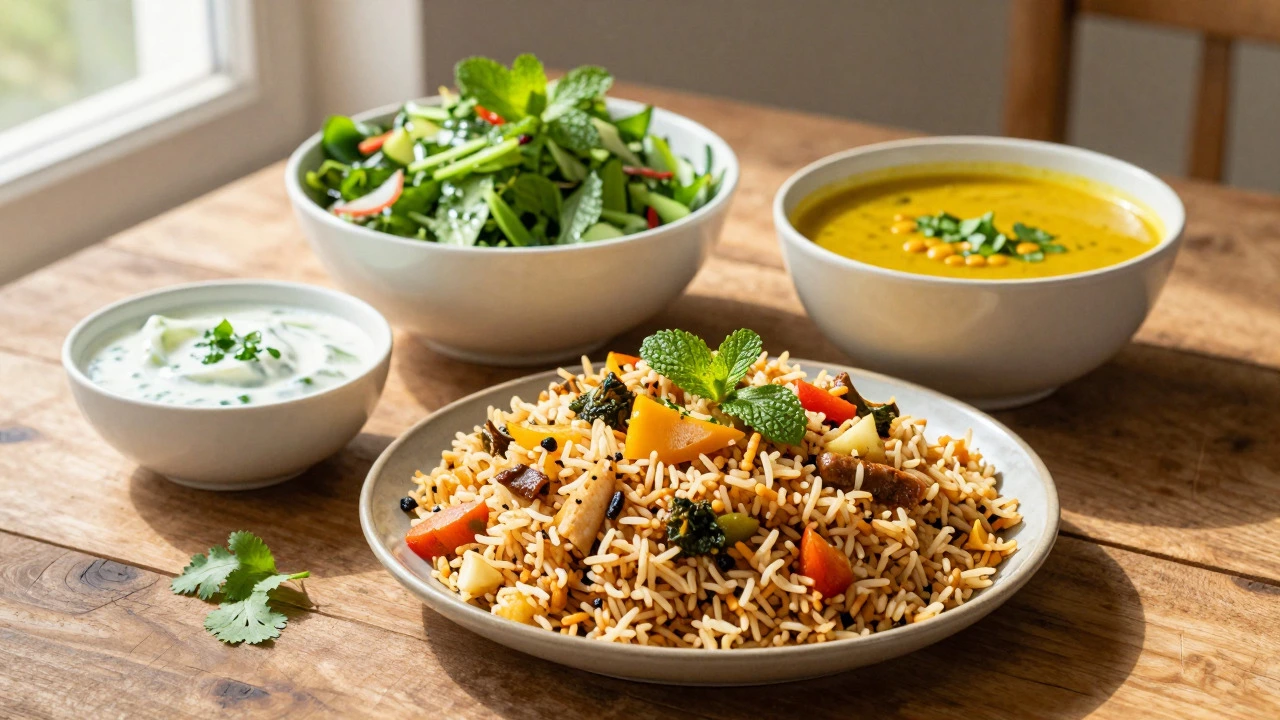
In traditional Indian diets, biryani is rarely eaten alone. It’s accompanied by raita (yogurt with cucumber/mint), salad, or a side of dal (lentil soup). This combination balances the macronutrients and slows down digestion, preventing rapid glucose absorption.

How to Make Biryani Healthier Without Sacrificing Flavor
You don’t have to give up biryani to eat well. With a few tweaks, you can transform it from an occasional indulgence into a regular part of a balanced diet. Here’s how:
- Reduce the Fat: Use minimal oil. Instead of drowning the rice in ghee, brush the top layer lightly before sealing the pot (dum cooking). Opt for heart-healthy oils like olive or avocado oil instead of refined seed oils.
- Swap the Rice: Try brown basmati rice or quinoa. Brown basmati retains the bran and germ, offering more fiber and nutrients. Quinoa adds complete protein and magnesium.
- Boost the Vegetables: Don’t just stick to onions and potatoes. Add spinach, bell peppers, carrots, peas, and cauliflower. Not only does this increase volume and nutrients, but it also reduces the overall calorie density per bite.
- Choose Lean Proteins: Skinless chicken breast, turkey, or shrimp are leaner options compared to fatty cuts of mutton or beef. For vegetarians, tofu or chickpeas are excellent alternatives to heavy paneer.
- Control Portions: Serve biryani with a large side of green salad and raita. Fill half your plate with veggies first. This way, you enjoy the biryani without overeating.
Biryani vs. Other Popular Rice Dishes
How does biryani stack up against other common comfort foods? Let’s compare it briefly.
Compared to Fried Rice, which is often stir-fried in significant oil and contains egg and soy sauce (high sodium), biryani tends to be less processed. Fried rice usually lacks the depth of spices found in biryani, meaning fewer antioxidants.
Against Pasta, biryani wins on spice complexity and potential protein content. Most pasta dishes rely heavily on cheese and cream sauces, adding saturated fats. Biryani’s flavor comes from herbs and aromatics, not dairy-heavy sauces.
Even compared to Pizza, a homemade biryani can be healthier. Pizza crusts are often made with refined flour, and toppings can be high in processed meats and cheese. Biryani uses whole grains and fresh ingredients.
Who Should Be Careful With Biryani?
While biryani isn’t junk food, certain groups should approach it with caution:
- Diabetics: White basmati rice has a moderate glycemic index. If you have diabetes, opt for brown rice or mix rice with legumes to slow carbohydrate absorption. Always pair with fiber-rich salads.
- Heart Patients: High sodium levels in restaurant biryanis can raise blood pressure. Watch out for added salt and limit portions. Choose home-cooked versions where you control the seasoning.
- Weight Loss Seekers: Portion control is key. Treat biryani as a meal, not a snack. Avoid eating it late at night when metabolism slows down.
The Verdict: Balance Is Everything
So, is biryani junk food? Only if you treat it like one. Eating a greasy, oversized portion once a month won’t ruin your health. But relying on it as a daily staple without balancing it with other nutrients will lead to weight gain and potential health issues.
The beauty of biryani lies in its versatility. It’s a canvas for creativity. By making smart swaps-using less oil, more veggies, and lean proteins-you can enjoy this beloved dish guilt-free. Remember, no single food makes you unhealthy. It’s the pattern of your overall diet that matters.
Next time you crave that aromatic, spiced rice, don’t shy away. Just be mindful of how it’s prepared. Cook it yourself, control the ingredients, and savor every bite knowing you’re fueling your body with real, wholesome food.
Is biryani bad for weight loss?
Not necessarily. Biryani can fit into a weight loss plan if you control portion sizes and reduce the amount of oil used. Focus on increasing the ratio of vegetables and lean protein to rice. A serving of 300-400 calories is manageable within a deficit diet.
Which type of biryani is the healthiest?
Vegetable biryani made with brown basmati rice and minimal oil is generally the healthiest option. It offers more fiber and fewer calories than meat-based versions. Chicken biryani with skinless breast meat is also a good choice for higher protein intake.
Can I eat biryani every day?
Eating biryani daily is possible if it’s prepared healthily and balanced with other meals. However, variety is important for nutrient diversity. Rotate biryani with other grain-based dishes like quinoa bowls or lentil stews to ensure you get a wide range of vitamins and minerals.
Does biryani cause acidity?
Spicy biryani can trigger acidity in sensitive individuals due to chili peppers and strong spices. To prevent this, reduce the heat level, avoid eating it right before bed, and consume it with cooling sides like raita or mint chutney.
Is restaurant biryani worse than homemade?
Yes, typically. Restaurant biryanis use more oil, ghee, and salt to enhance flavor and preserve the dish. Homemade versions allow you to control ingredient quality and quantity, making them significantly healthier and lower in calories.