How Many Hours Should Dosa Batter Be Fermented?
Dosa batter typically needs 8 to 12 hours to ferment properly, but temperature and humidity can extend this to 18 hours. Learn the signs of perfect fermentation and how to fix common problems.
When you think of dosa, a thin, crispy fermented rice and lentil pancake from South India. Also known as Indian crepe, it’s one of the most loved breakfasts across the country—and for good reason. It’s light, filling, and endlessly customizable. But getting it right isn’t just about the recipe. It’s about the batter, the fermentation, the heat, and yes—even the oil you use. A good dosa doesn’t happen by accident. It’s the result of a few key steps done well, and that’s what this collection is built around.
At the heart of every great dosa is the dosa batter, a mixture of rice and urad dal that ferments into a bubbly, tangy paste. Also known as fermented batter, it’s not just a mix—it’s a living thing. The microbes that grow in it during fermentation are what make dosas fluffy inside and crisp outside. Skip fermentation, and you’re just making flat rice pancakes. Get it right, and you’ve got something that’s naturally easier to digest, packed with probiotics, and full of flavor. That’s why so many posts here focus on how long to ferment, what temperature works best, and what happens if you rush it. And if you’ve ever wondered if you can skip fenugreek seeds or use a different oil, you’re not alone. The truth is, many traditional recipes include fenugreek for texture and flavor, but it’s not mandatory. You can still make perfect dosas without it—here’s how.
Then there’s the oil. Not just any oil will do. groundnut oil, a mild, high-smoke-point oil commonly used in South Indian kitchens. Also known as peanut oil, it’s the secret behind that golden-brown crispness many chase. Coconut oil gives a different aroma and crunch. Olive oil? Don’t bother. The wrong oil turns your dosa soggy or bitter. And if your dosa stays pale instead of turning rich brown, it’s not just about heat—it’s about batter consistency, fermentation level, and even the pan you use. We’ve got posts that break down every single one of these issues with real fixes, not guesses.
You’ll find answers here for every kind of cook: someone who’s never made dosa before, someone who’s tried and failed, and someone who just wants to make it better. Whether you’re short on time and wondering if dosa batter can ferment in an hour, or you’re trying to make it healthier without losing crunch, this collection has you covered. No fluff. No theory without practice. Just clear, tested tips from kitchens that make dosas every day.
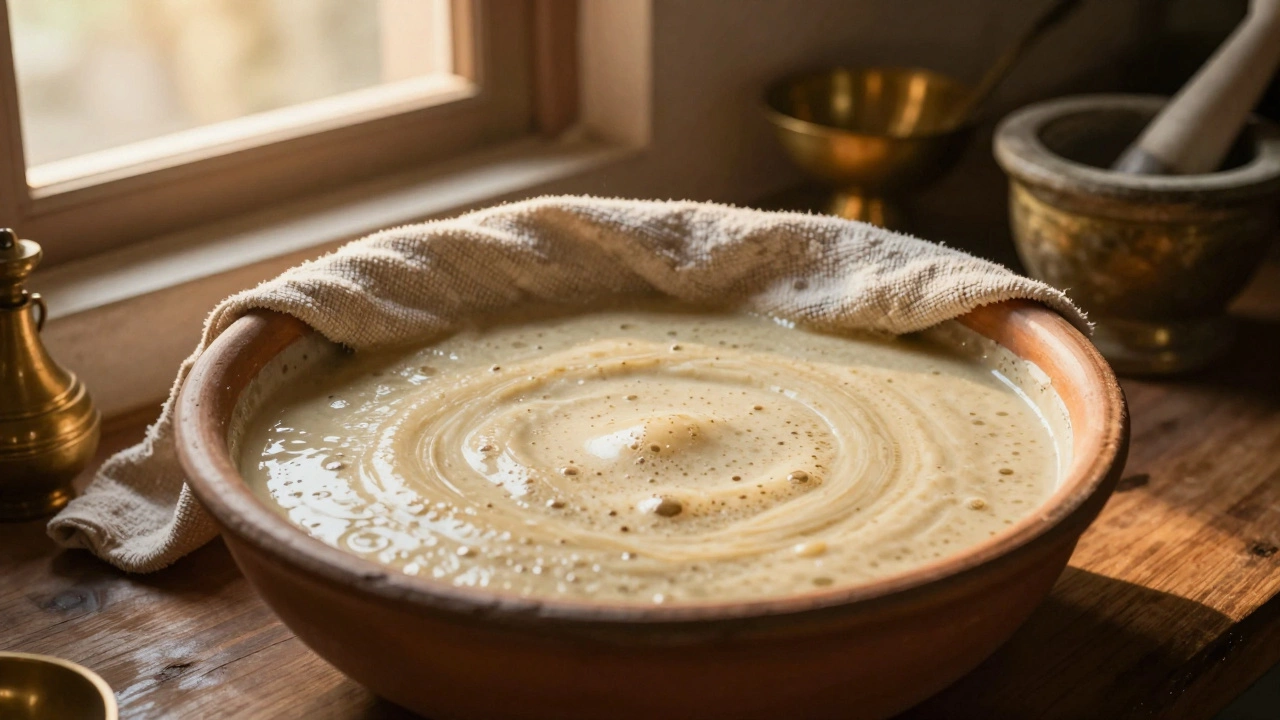
Dosa batter typically needs 8 to 12 hours to ferment properly, but temperature and humidity can extend this to 18 hours. Learn the signs of perfect fermentation and how to fix common problems.
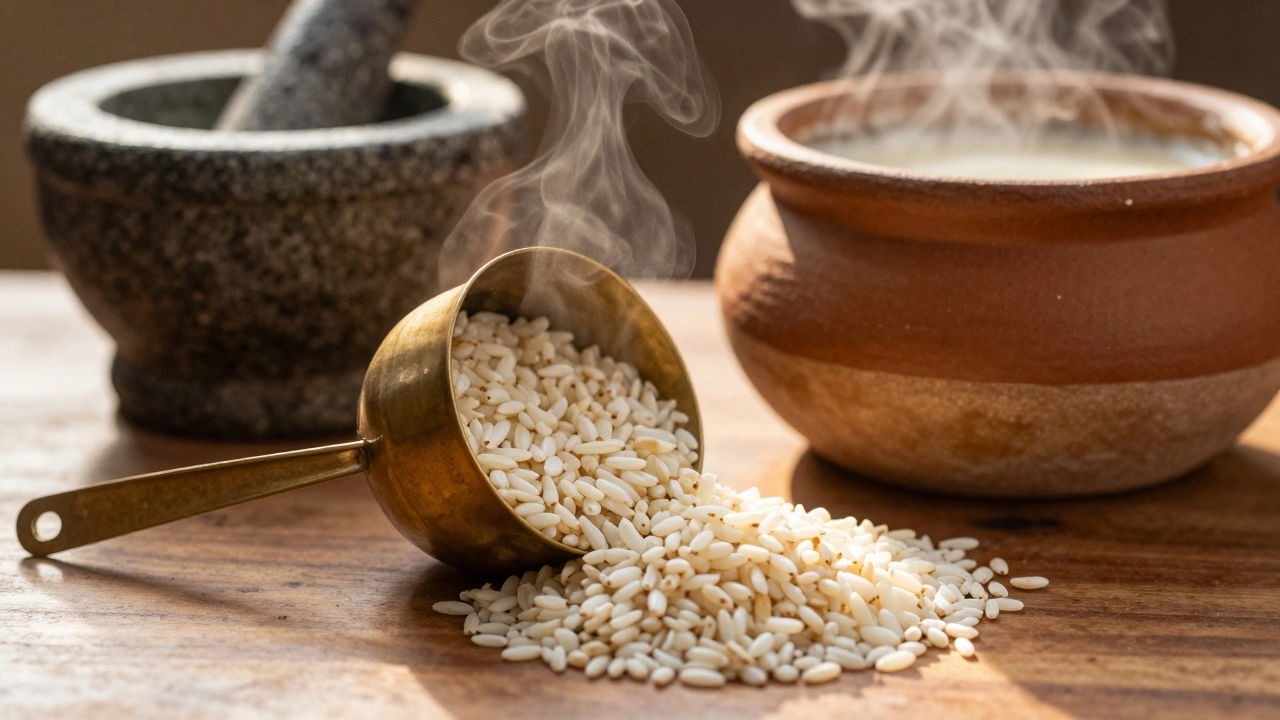
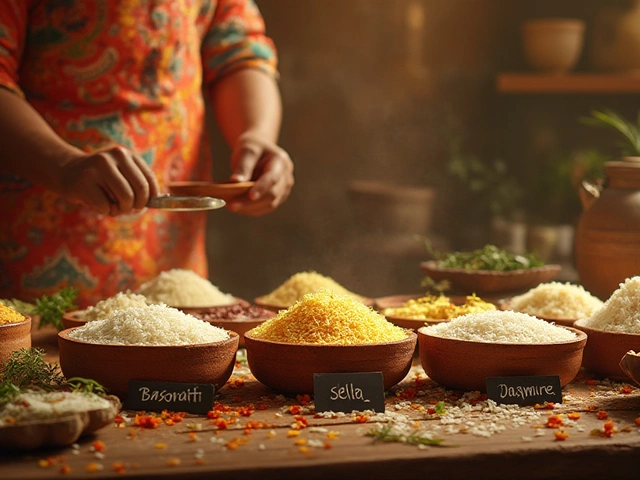
Discover the best rice for dosa batter-why dosa rice and idli rice work, what to avoid, and how to get crispy, fluffy dosas every time. No guesswork, just proven results.
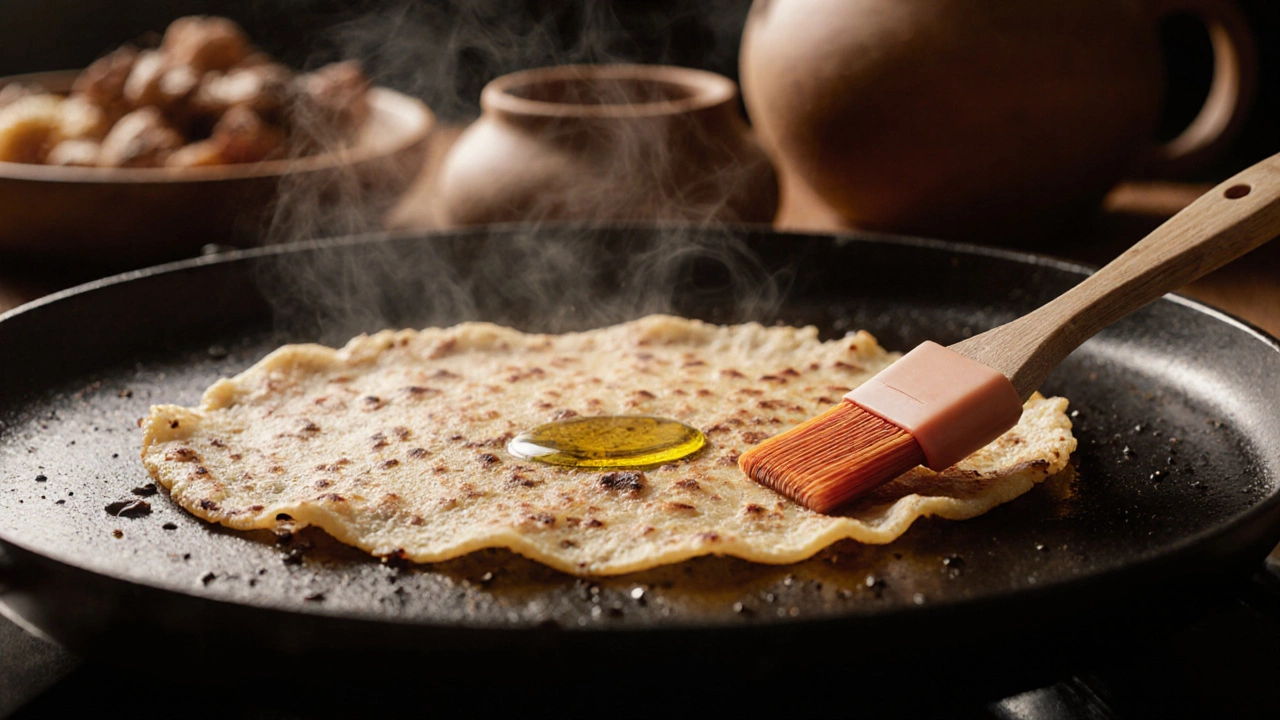
Discover the best oil for dosa to get crispy, golden results every time. Learn why groundnut and coconut oils work best, what to avoid, and how to use them properly.
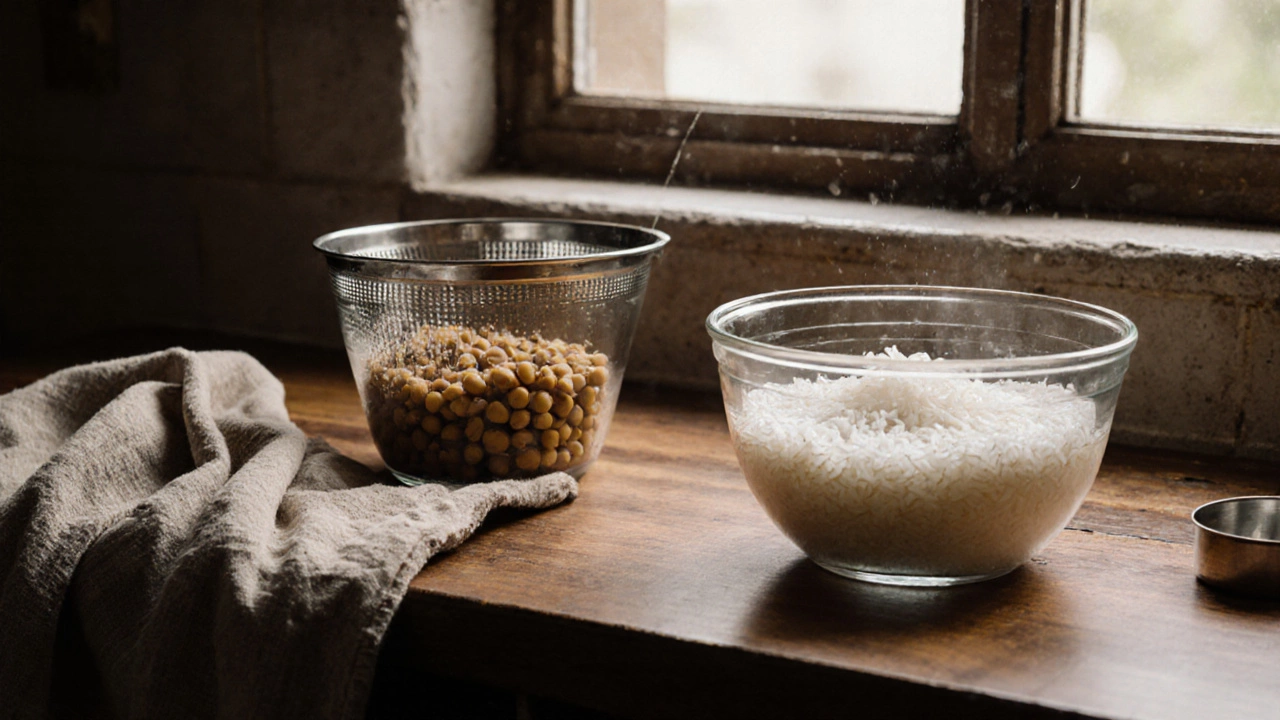
Learn the exact hours needed for dosa batter fermentation, how temperature and starter affect timing, and get troubleshooting tips for perfect dosas.
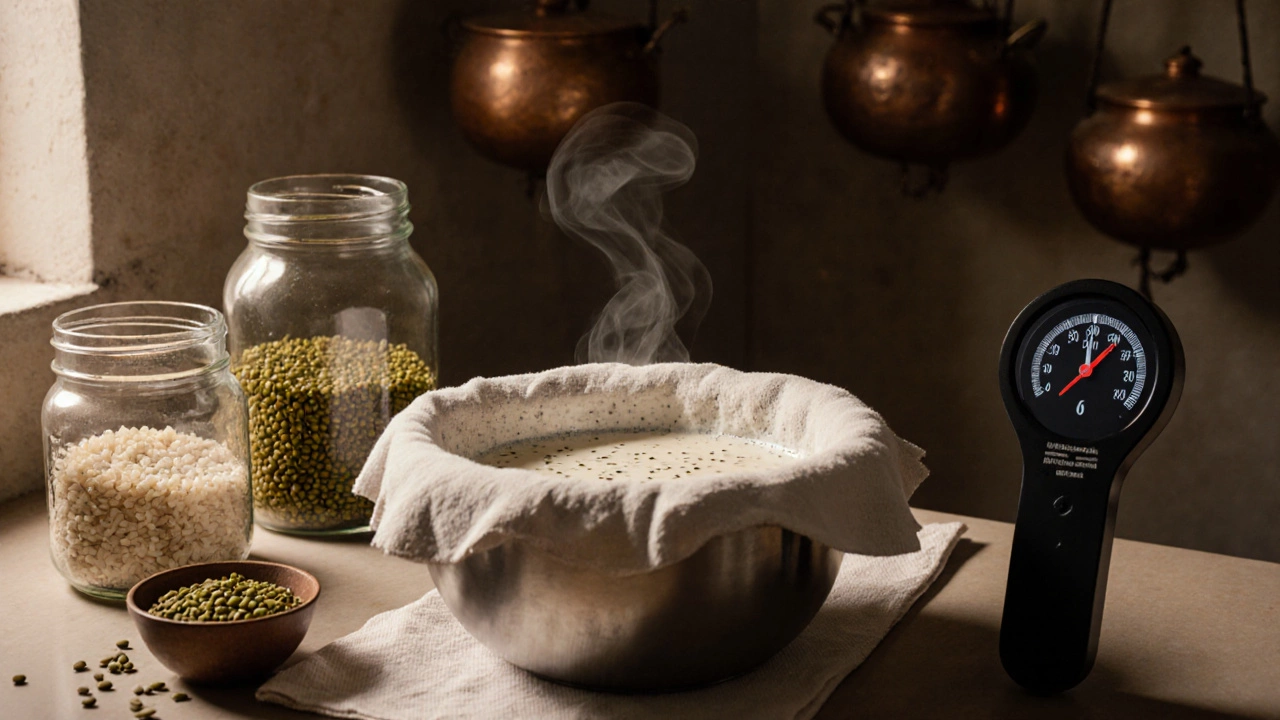
Learn why your dosa stays pale and fix it with easy steps. From fermentation to heat, ingredient ratios, and pro tips for golden‑brown dosas.

Curious if dosa fits into a healthy diet? This article breaks down what goes into dosa, how it affects your health, and ways to make it even better for you. You'll discover why the fermentation process matters and how dosas compare to other breakfasts. Plus, there are tips for tweaking your dosa batter to boost nutrition. If you love dosa or plan to try it, this guide covers everything you should know.

Ever wondered if you can make dosa without fenugreek? You’re not alone. This article breaks down what happens when you skip the fenugreek in your batter, what you can use instead, and how to tweak your recipe for the best results. We’ll get into texture, flavor secrets, and foolproof tips to keep your dosas crispy and delicious. Everything is explained simply, with ideas you can try in your own kitchen today.
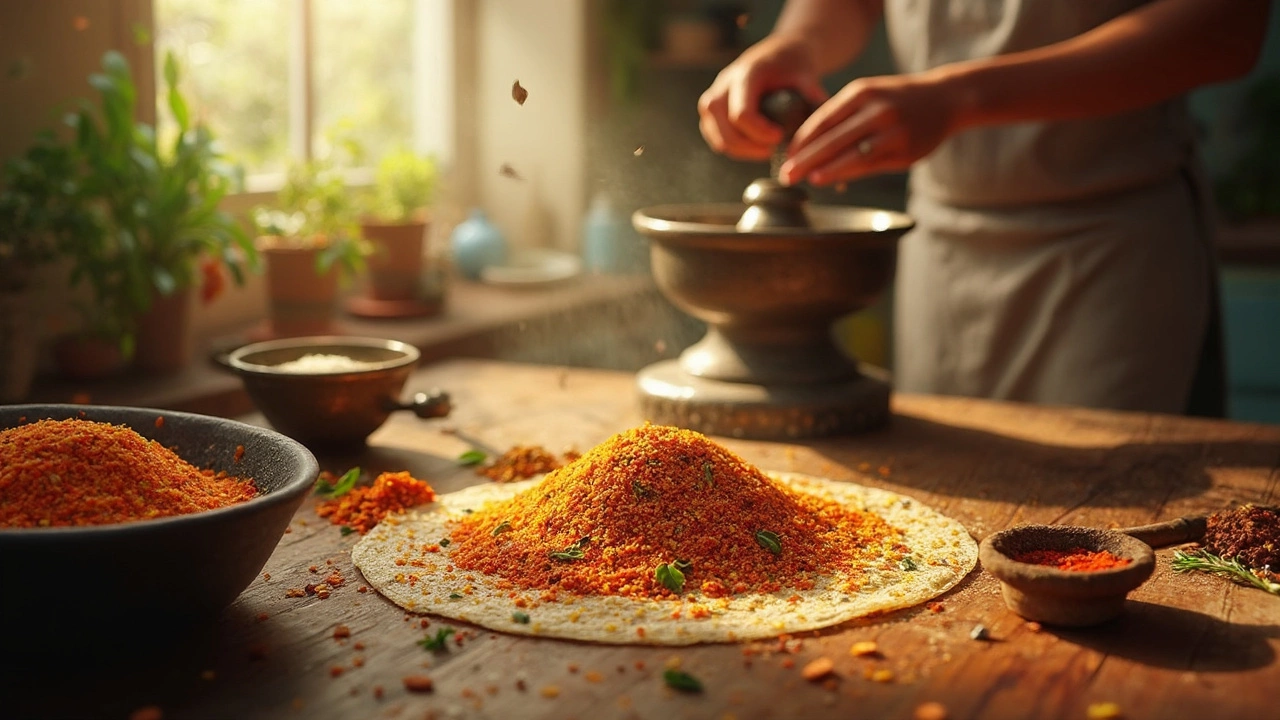
Dosa, a staple in Indian cuisine, is made from a unique blend of simple ingredients that come together to create a delightful dish. This article explores the essentials of dosa batter, its core ingredients, and some interesting tips on how to make the perfect batter. Whether you're a seasoned cook or trying it for the first time, dive into the world of dosa to understand its origins and how a few basic items can produce such a beloved food. Learn what makes dosa so special and how you can master it in your own kitchen.

Achieving the perfect dosa with traditional fermentation usually takes hours, but what if you’re pressed for time? This article explores the feasibility of fermenting dosa batter within just one hour. Discover the scientific principles behind fermentation, the crucial role temperature plays, and clever tricks to speed up the process. Whether you're a seasoned chef or a curious culinary explorer, find out if a quick fermentation can still deliver on taste and texture.