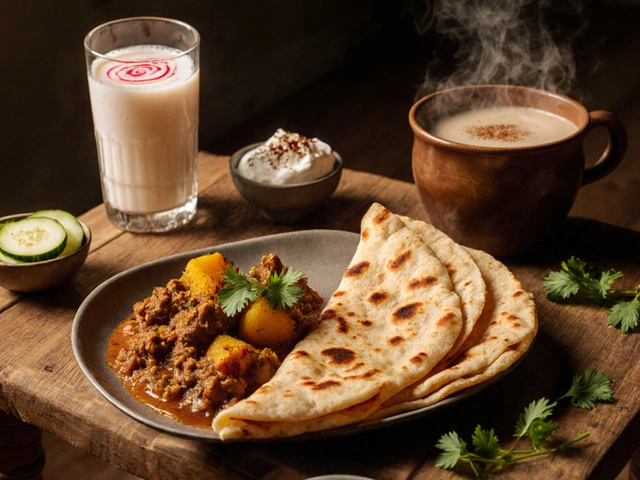
How Thick Should Roti Be? Expert Tips for Perfect Chapati and Paratha
Discover the ideal thickness for roti, whether chapati or paratha. Learn why thickness matters, common mistakes, and simple rolling techniques for perfect rotis every time.
When it comes to Cooking tips, practical, tested methods that solve real problems in everyday Indian cooking. Also known as kitchen hacks, these are the small changes that turn average meals into unforgettable ones. It’s not about fancy tools or rare ingredients—it’s about understanding why things work the way they do. Why does your roti turn hard? Why won’t your dosa batter rise? Why does your curry taste flat? The answers aren’t in cookbooks—they’re in the science of heat, fermentation, and flavor balance.
Take roti making, the art of shaping and cooking Indian flatbread with precision. It’s not just about flour and water. It’s about hydration, resting time, oil in the dough, and even how you stack the cooked rotis. A towel over the rice isn’t about the rice—it’s about creating steam for soft rotis later. And yes, the shape matters. Roti has to be round because physics, not tradition, demands it for even puffing and easy tearing. Then there’s dosa batter, a fermented mixture that needs just the right temperature, time, and baking soda ratio to turn crispy and fluffy. Too much baking soda? Soapy taste. Too little? Flat, dense dosas. Fermentation isn’t magic—it’s bacteria working in your kitchen, and you can control it.
And let’s talk about curry spices, the foundation of flavor in Indian cooking that goes beyond just adding powder to water. Garam masala isn’t a one-size-fits-all blend. The difference between a good curry and a great one lies in how you toast your cumin, when you add turmeric, and whether you use whole spices or ground. Tandoori chicken isn’t just marinated—it’s tenderized by yogurt’s enzymes and protected from drying out by not rinsing off the marinade. Even spoiled milk can become safe, creamy curd if you know the signs of true spoilage versus natural souring.
These aren’t random tricks. They’re solutions to problems real cooks face every day. You don’t need to be an expert to fix a bitter taste, prevent roti from hardening, or make your dosa batter fluffy. You just need to know what’s going wrong—and how to fix it. Below, you’ll find clear, no-fluff guides on exactly these issues. No theory without practice. No advice without results. Just what works, tested in home kitchens across India.
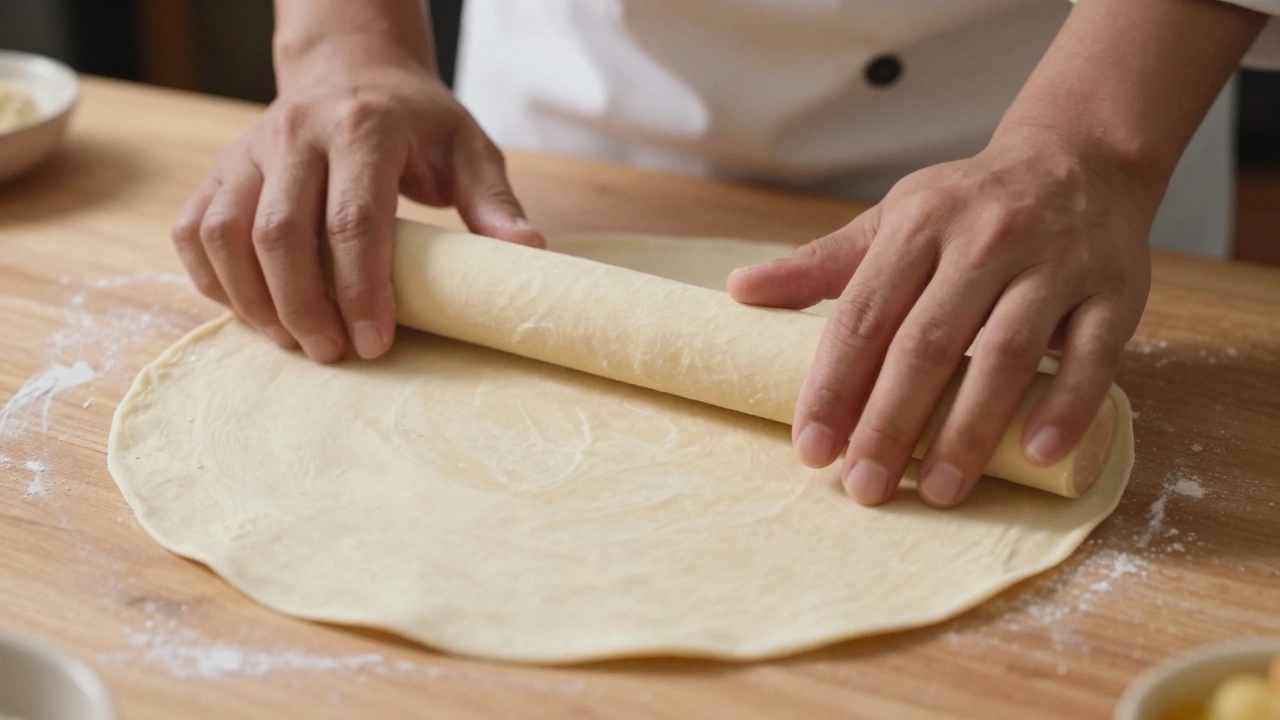
Discover the ideal thickness for roti, whether chapati or paratha. Learn why thickness matters, common mistakes, and simple rolling techniques for perfect rotis every time.
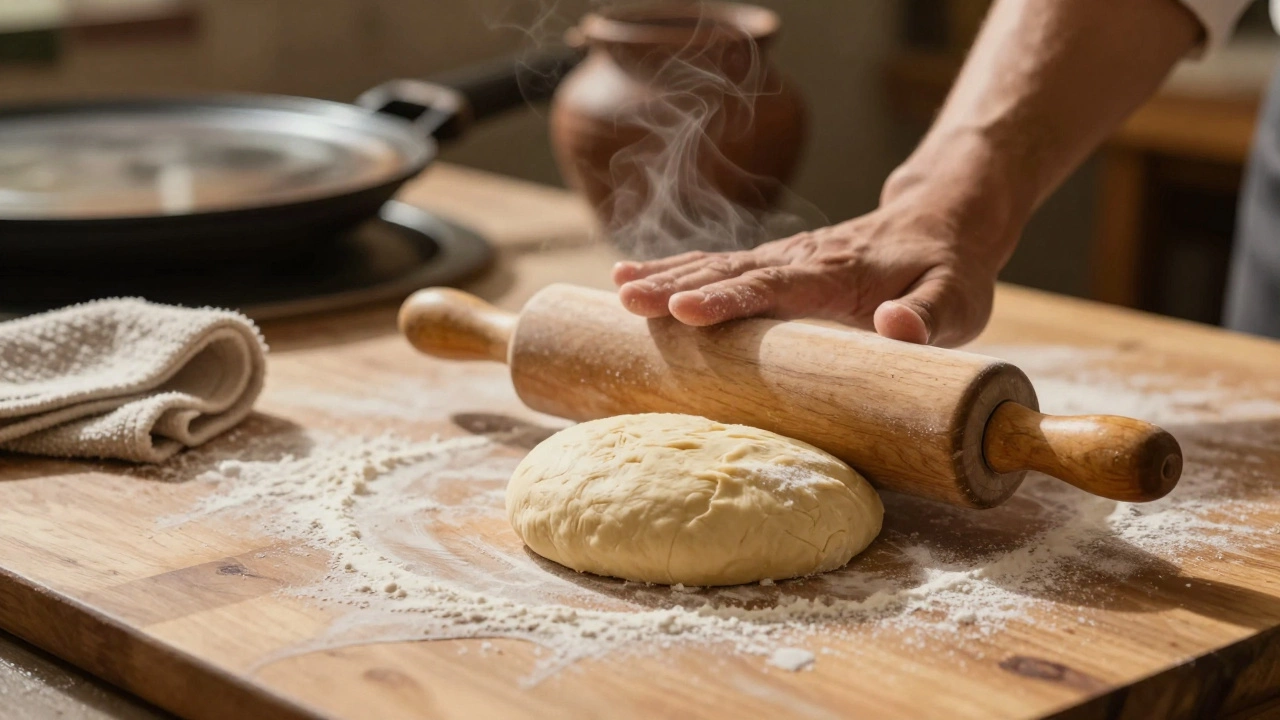
Roti is round because of physics, not tradition. The shape ensures even cooking, perfect puffing, and easy tearing. Learn why round is the only shape that works-and how to roll it right every time.
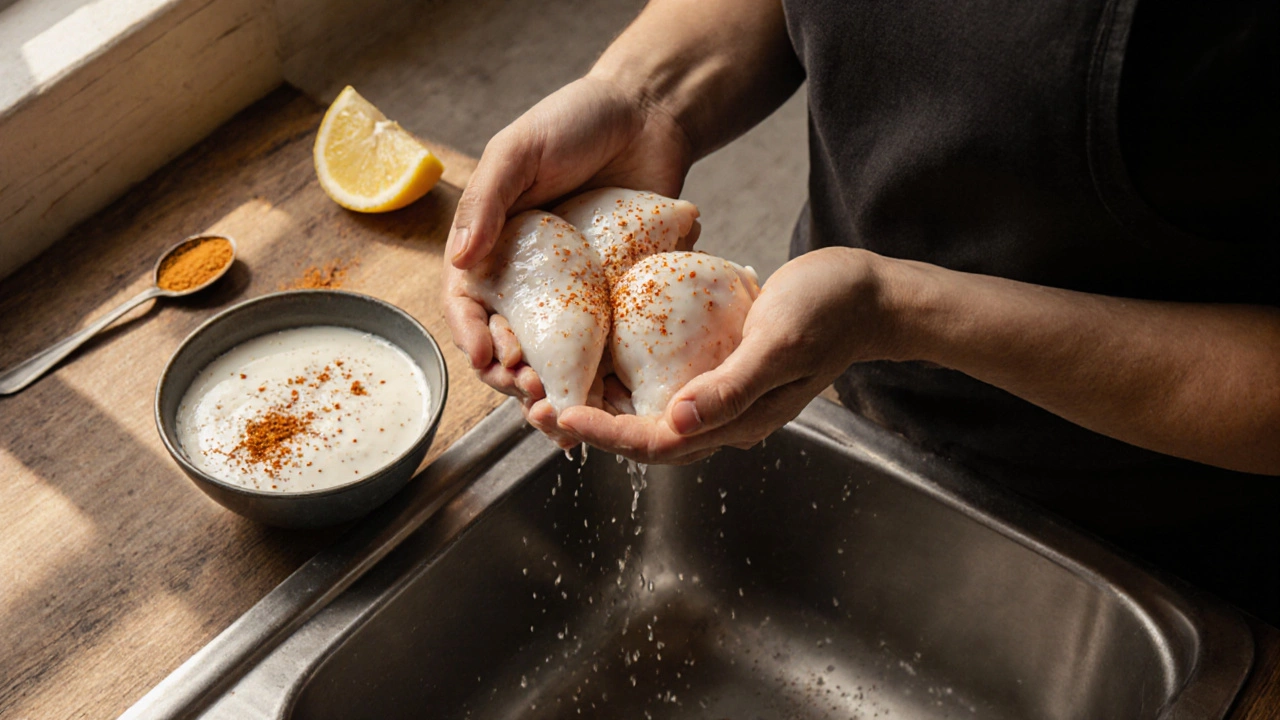
Learn why rinsing a yogurt marinade before cooking tandoori chicken is usually a bad idea, and get step‑by‑step tips for juicy, flavorful results.
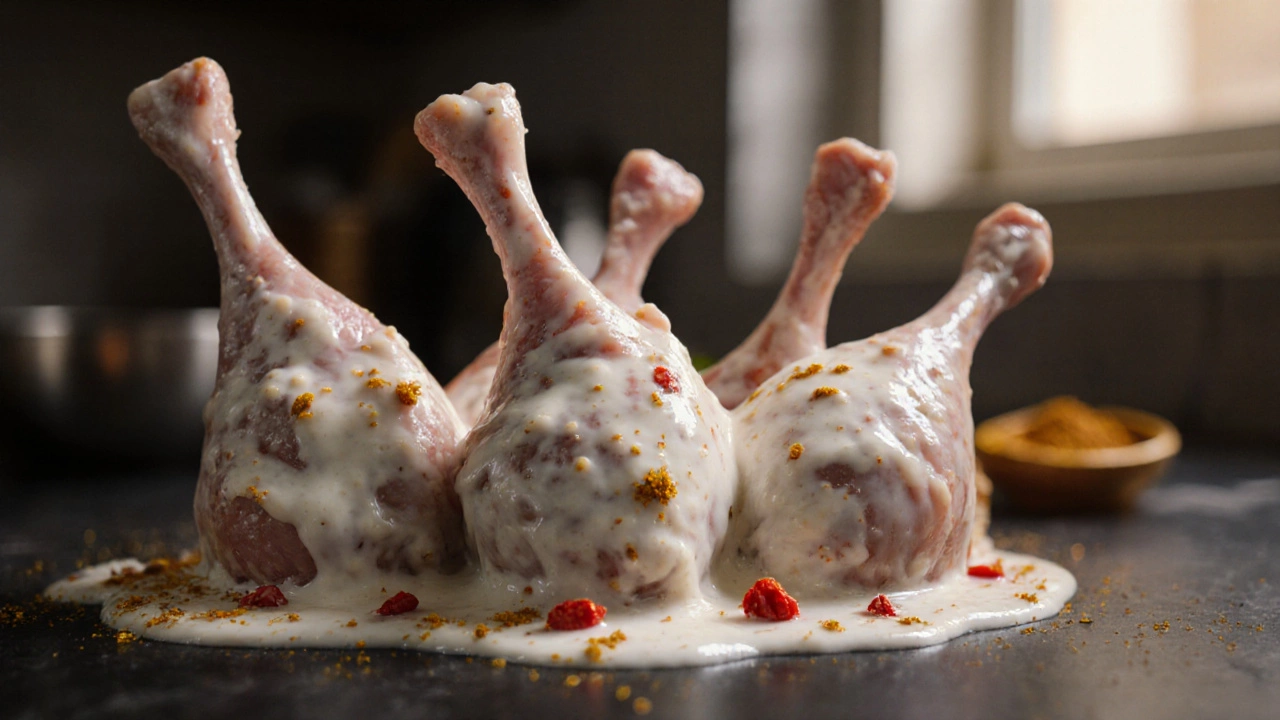
Discover the science behind ultra‑tender tandoori chicken, learn the perfect yogurt marinade, cooking methods, step‑by‑step recipe, and troubleshooting tips.
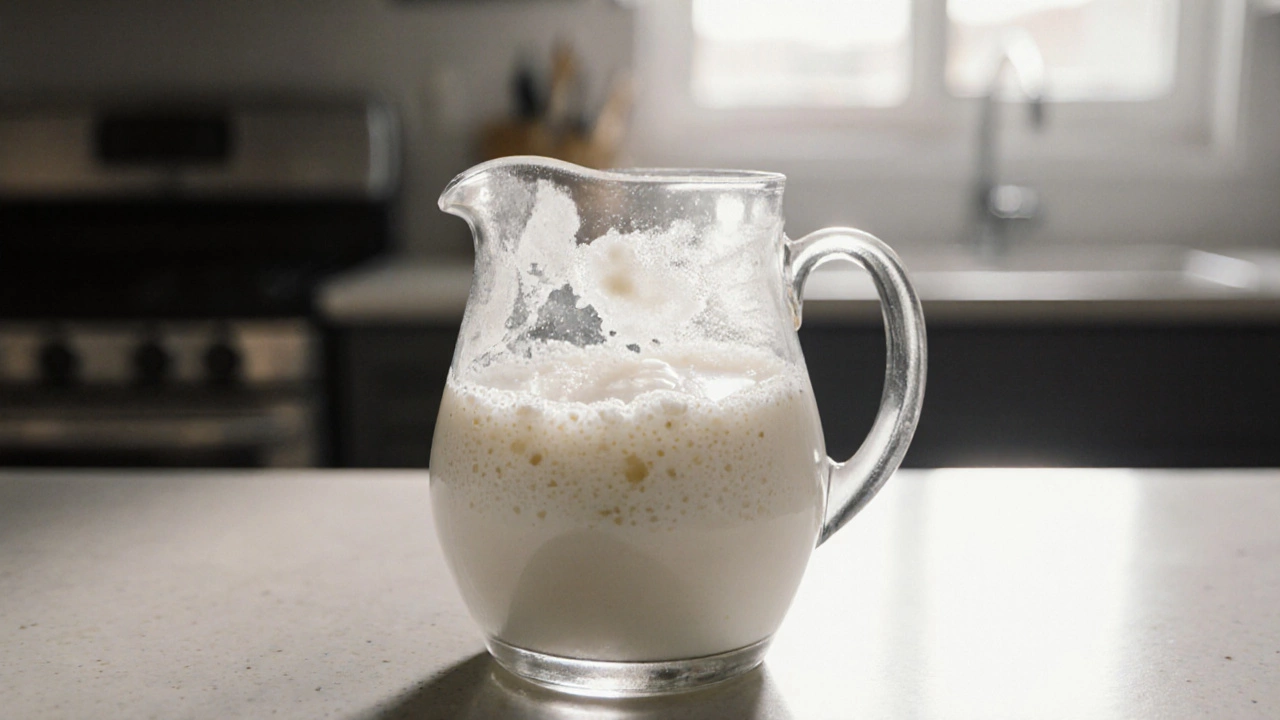
Learn if spoiled milk can be turned into safe, tasty curd, with step‑by‑step instructions, safety checks, and a quick guide to making paneer.
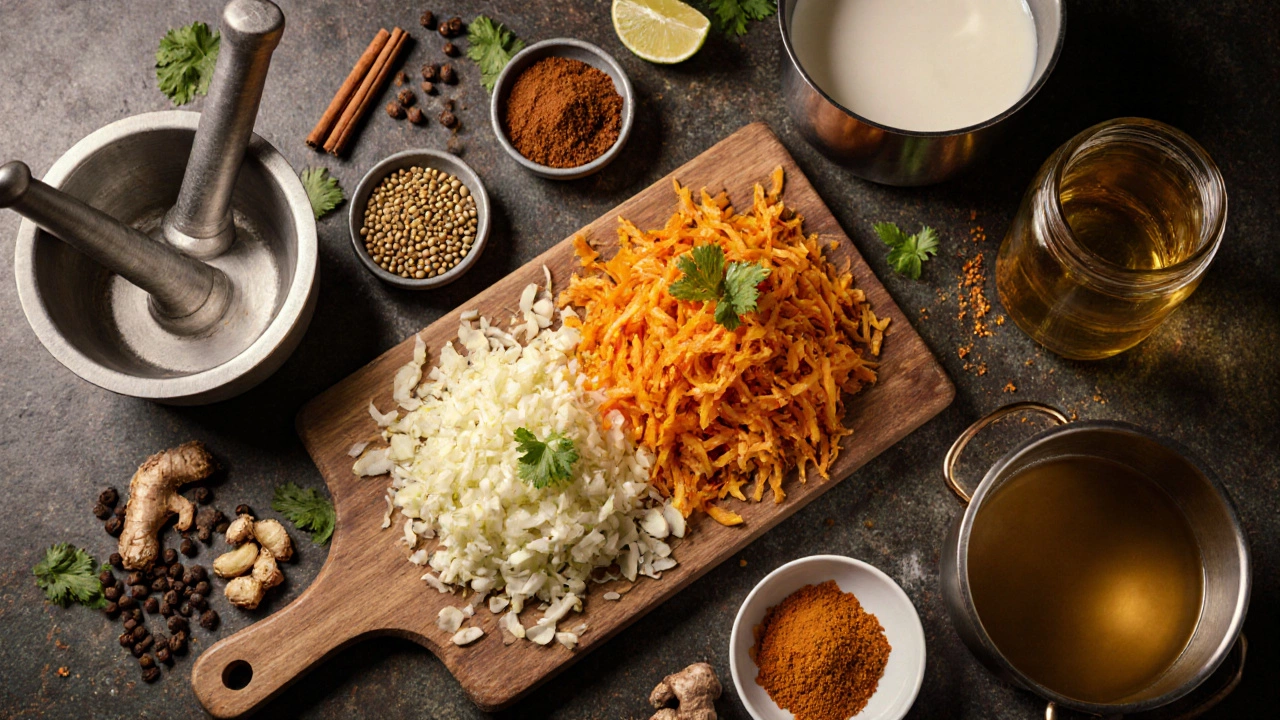
Learn the core ingredients, spice blending, cooking techniques and common pitfalls that turn a basic stew into a delicious curry.
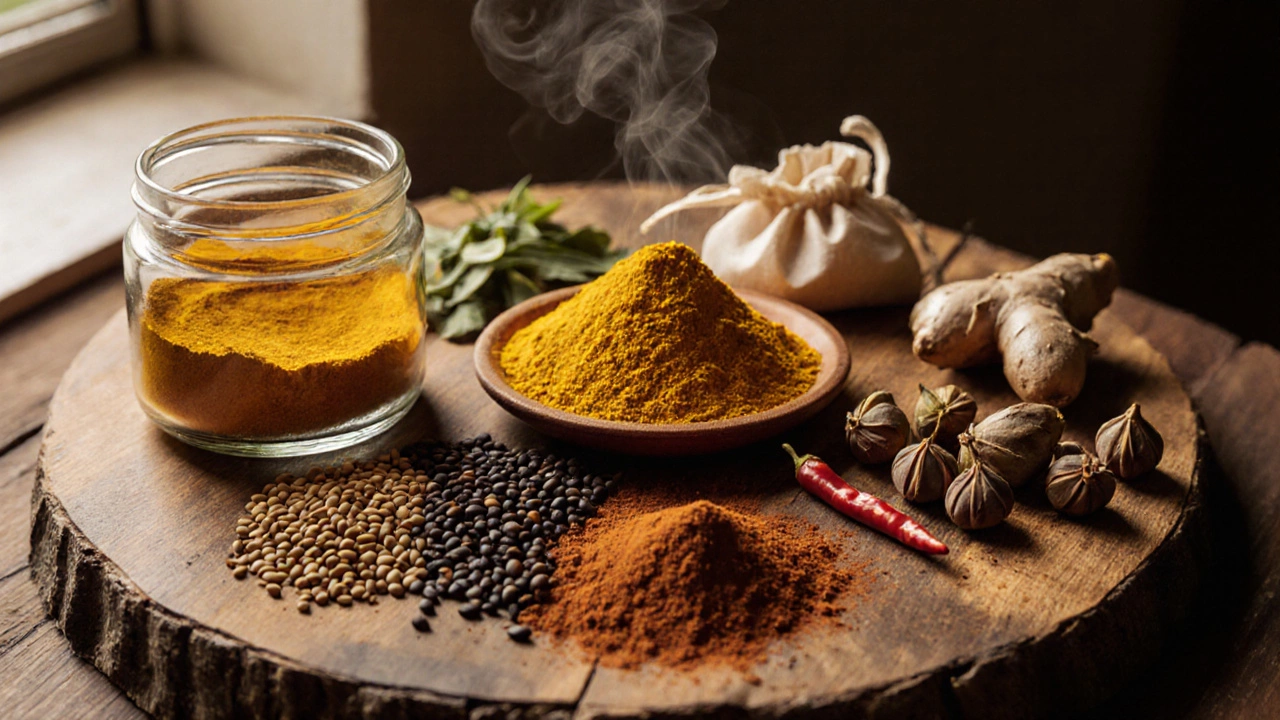
Learn the essential spices that define a curry, how each one contributes flavor, storage tips, a quick DIY curry powder recipe, and common substitution tricks.

Explore the science behind crunchy food cravings, why dopamine and texture drive them, and learn practical tips to satisfy the urge with healthier options.
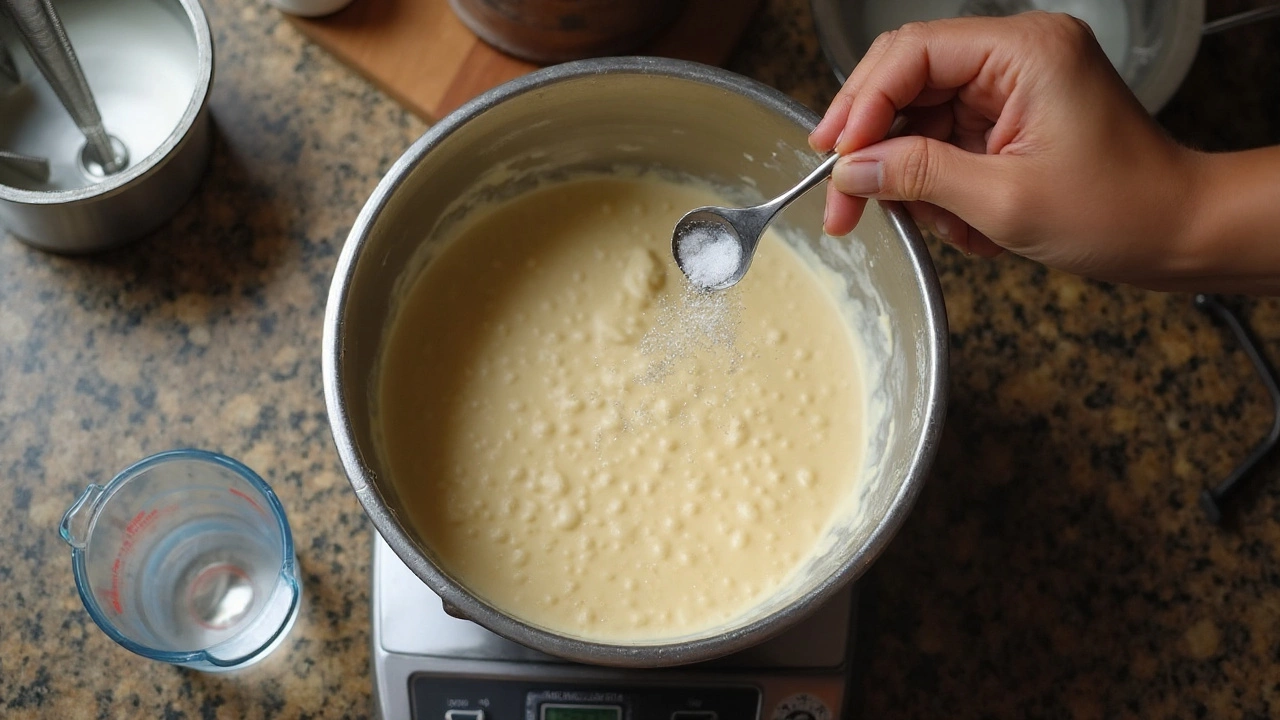
Precise baking soda amounts for dosa batter: per cup and per kilo. When to use it, how to mix, and fixes if you added too much. Crisp dosas without a soapy taste.

Discover real strategies to lose 5 lbs in just a week. Learn what works, smart meal swaps, and how your body responds. No fads—just results.

Struggling with bitter flavors in your food? Here’s how to cancel bitter taste with proven kitchen tricks, science-backed tips, and easy fixes for everyday cooking.
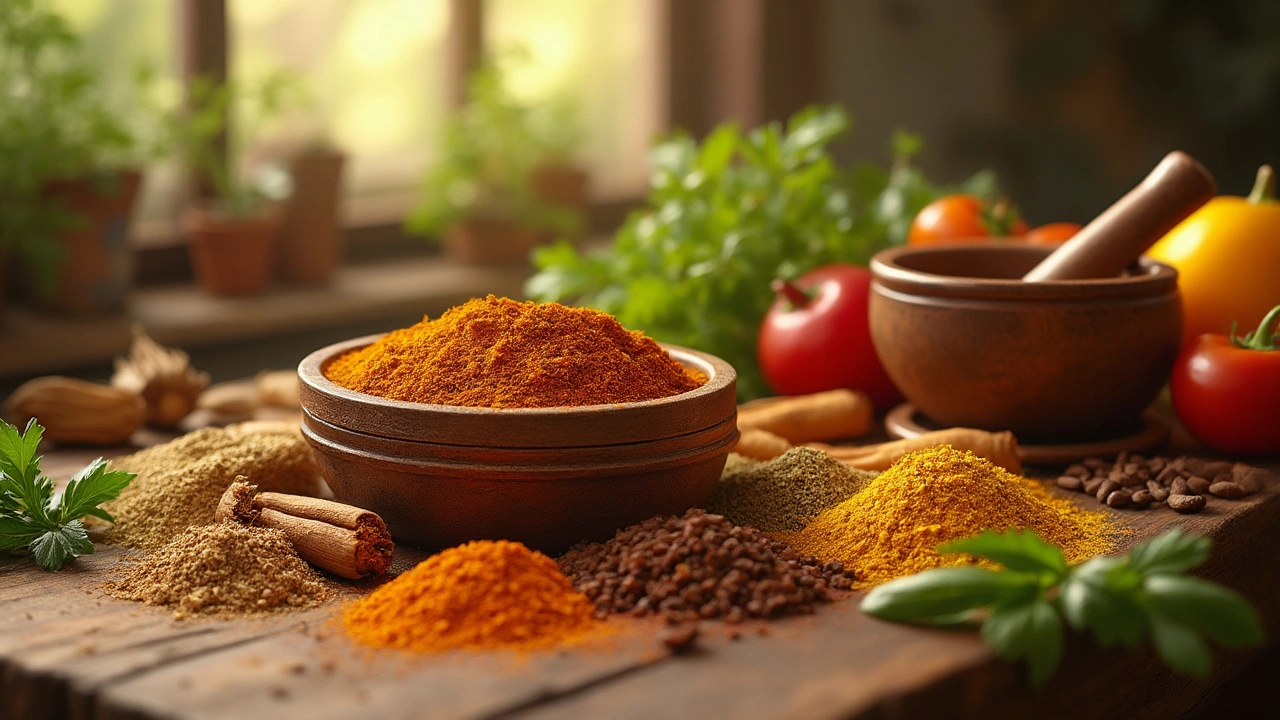
Discover what makes garam masala special, its authentic ingredients, how to use it, and tips for making your own blend. Spice up your meals with this guide.