The Big Debate: Biryani vs Pulao
Before we get into the recipes, we have to settle the identity crisis. If you just throw vegetables and rice into a pot and boil them together, you are making a pulao. If you layer partially cooked rice over a rich, spicy vegetable base and seal the pot to steam it, you are making a biryani. Vegetable Pulao is a one-pot meal. The rice and vegetables are cooked together in a broth, meaning the rice absorbs the flavor of the vegetables directly. It is lighter, often less spicy, and usually served as a side dish. On the other hand, a Veg Biryani is a masterpiece of layers. It uses a technique called Dum Pukht, which means "breath cooking." The pot is sealed with dough to trap the steam, forcing the flavors of the masala deep into every grain of rice.| Feature | Veg Biryani | Vegetable Pulao |
|---|---|---|
| Cooking Method | Layering and Dum (steaming) | One-pot simmering |
| Flavor Profile | Intense, spicy, and aromatic | Mild, subtle, and buttery |
| Rice Texture | Distinct, long grains | Softer, more integrated |
| Role in Meal | The main star of the show | Often a side dish |
Common Types of Meatless Biryani
Not all meatless biryanis are created equal. Depending on the region, the "meat substitute" changes to provide the heartiness that meat usually brings. One of the most popular is Paneer Biryani. Here, cubes of Paneer (Indian cottage cheese) are fried and marinated in yogurt and spices. Because paneer has a firm texture, it mimics the "bite" of meat perfectly. Then there is the Soya Chunk Biryani. Soya chunks, also known as meal maker, are high-protein soy nuggets that soak up the gravy like a sponge. For those who want a truly traditional vegetable experience, the Mixed Vegetable Biryani uses a medley of carrots, peas, beans, and potatoes. The potato is crucial here; in many regional styles, like the Kolkata style, the potato provides a creamy texture that balances the spice.The Secret Ingredients That Define a Veg Biryani
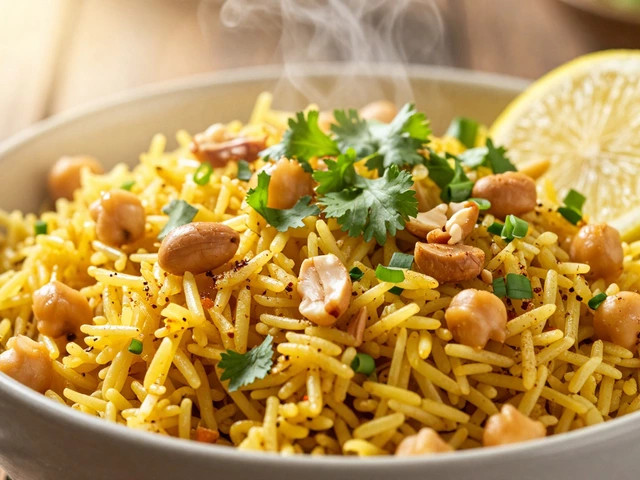
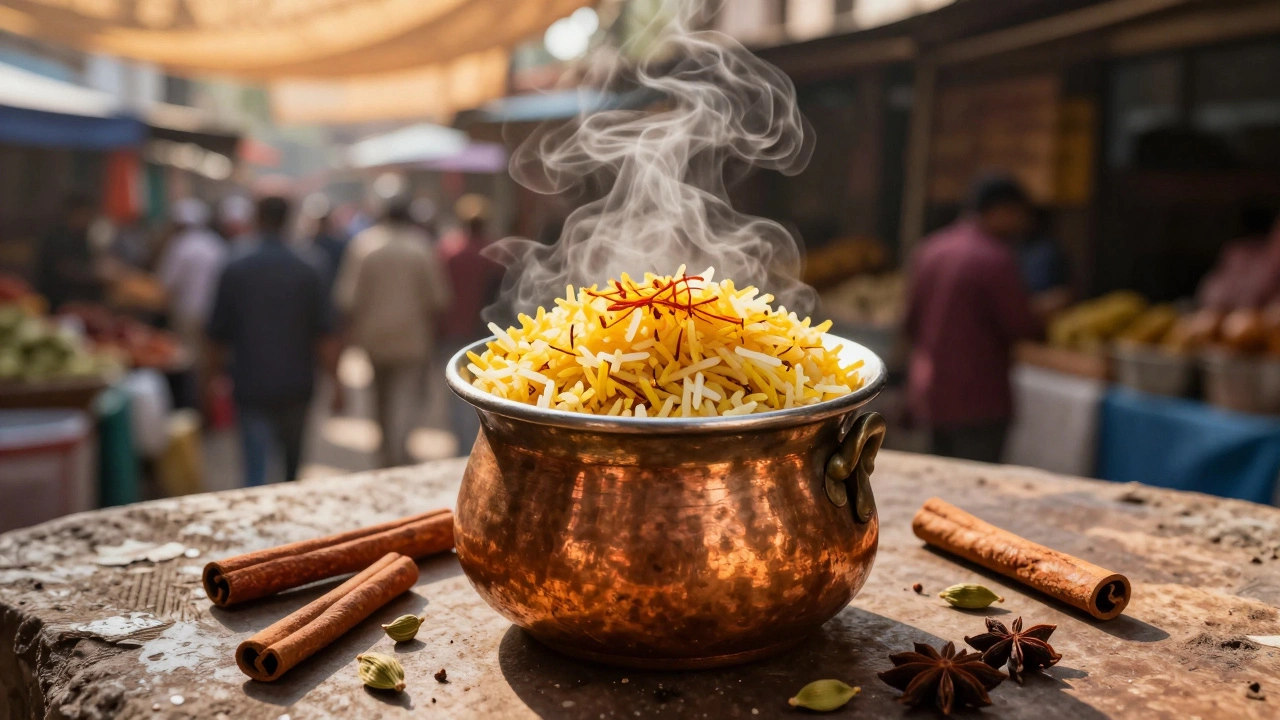
To make a meatless biryani taste authentic, you can't just omit the meat. You have to replace the depth of flavor that meat provides. This is where the Masala comes in. First, the rice. You must use Basmati Rice. Its long grains and floral aroma are non-negotiable. If you use a short-grain rice, you'll end up with a porridge, not a biryani. Second, the fat. While meat provides its own oils, veg biryani needs Ghee (clarified butter). Ghee carries the fat-soluble flavors of the spices and gives the rice that signature glossy look. Third, the aromatics. You need the "big three": cinnamon, cardamom, and cloves. But the real game-changer is Saffron soaked in warm milk. This gives the dish its royal yellow-orange streaks and a distinct, earthy scent that screams "luxury."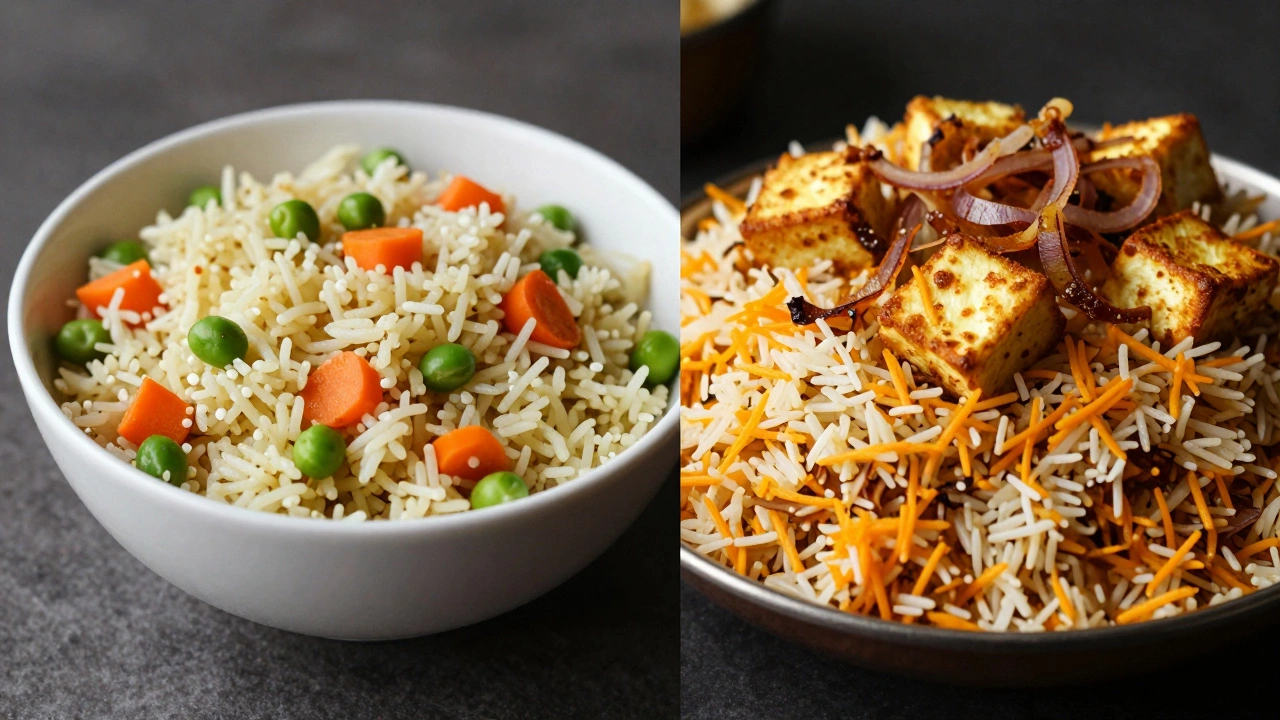
Step-by-Step: How to Get the "Dum" Right
If you want to move from "just rice" to a true biryani, you have to master the layering. Here is the process:- Prepare the Veggies: Sauté your vegetables in ghee with ginger-garlic paste, chili powder, and turmeric. Add a thick paste of yogurt and mint to create a rich gravy. This is your "masala base."
- Parboil the Rice: Boil your Basmati rice in salted water with whole spices (cinnamon, cardamom). Stop when the rice is about 70% cooked. It should be soft on the outside but have a firm core.
- The Layering: In a heavy-bottomed pot, put a layer of the vegetable masala at the bottom. Spread the parboiled rice over it. Top it with fried onions (birista), fresh coriander, mint leaves, and saffron milk.
- The Seal: Place a tight lid on the pot. Traditionally, a ring of wheat dough is pressed around the edges of the lid to make it airtight. This is the essence of Dum cooking.
- The Slow Cook: Cook on a very low flame for 20 to 30 minutes. The vegetables release steam, which cooks the remaining 30% of the rice, infusing it with the flavors from below.
Pitfalls to Avoid When Cooking Meatless Biryani
One of the biggest mistakes people make is overcooking the vegetables in the first step. If your carrots and beans are already mushy before they go into the layering process, they will completely disintegrate during the Dum phase. Keep them slightly crisp. Another common error is using too much water. Biryani is not a soup. If the masala is too watery, the rice will soak up all that liquid and become soggy. The masala should be thick and cling to the vegetables. Lastly, don't stir the biryani. Once you open the lid, use a flat spatula to gently scoop from the bottom to the top. If you stir it like a fried rice, you'll break the long grains of Basmati and lose the beautiful contrast of white and colored rice.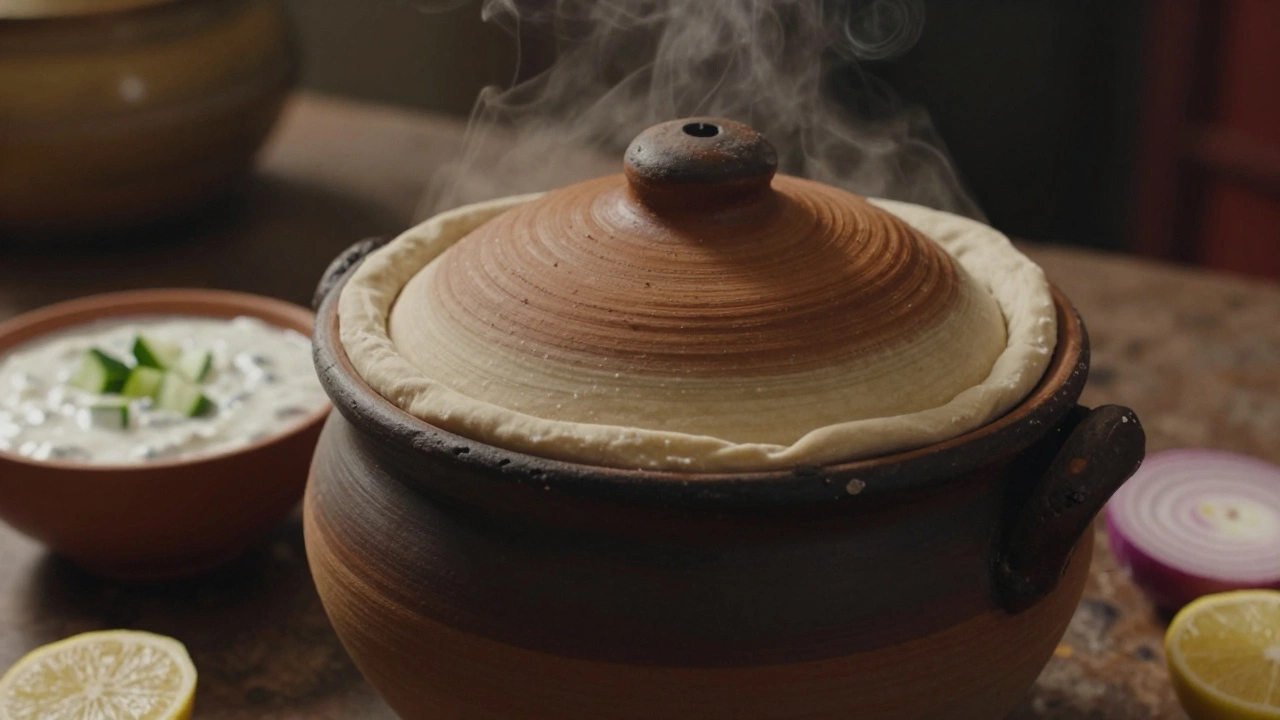
What to Serve with Your Meatless Biryani
Since veg biryani is rich and aromatic, you need something to cut through that intensity. A cold, creamy Raita (yogurt dip with cucumber and cumin) is the gold standard. The acidity of the yogurt balances the ghee and spices. For a bit of crunch and heat, a side of sliced raw onions soaked in lemon juice and a pinch of salt works perfectly. If you want something more substantial, a side of Mirchi ka Salan (a spicy peanut and green chili curry) adds a complex, nutty layer to the meal.Is Veg Biryani actually a Pulao?
Technically, if it's cooked in one pot where everything is mixed from the start, it's a Pulao. However, if it's prepared using the layering method (Dum), it's a Biryani. The name depends on the technique, not just the ingredients.
What is the best substitute for meat in biryani?
Paneer and Soya Chunks are the best substitutes. Paneer provides a rich, creamy texture, while Soya Chunks offer a chewy, meat-like consistency and a high protein content.
Why does my veg biryani taste bland compared to restaurant versions?
Most home cooks skip the "frying" stage of the onions. Fried onions (birista) provide a deep, caramelized sweetness that is essential. Also, ensure you are using Ghee instead of vegetable oil for that authentic richness.
Can I use brown rice for Veg Biryani?
You can, but the texture will be very different. Brown rice doesn't have the same aromatic properties or the long, separate grains of Basmati, so it won't feel like a traditional biryani.
How do I prevent the rice from sticking to the bottom of the pot?
Use a heavy-bottomed pot (like a cast iron or heavy stainless steel pot) and ensure there is a generous layer of ghee or fried onions at the bottom before adding the vegetables.