Whey Recipes: Simple Indian Dishes Using Whey for Better Nutrition
When you make whey, the liquid left after curdling milk to make paneer or yogurt. Also known as curd whey, it's rich in protein, calcium, and probiotics—and too many people pour it down the drain. In Indian kitchens, whey isn’t trash. It’s a secret ingredient. Think of it like the leftover broth from cooking beans—packed with flavor and nutrients, but often ignored. You don’t need fancy gadgets or expensive supplements. Just save what’s left after you strain paneer, and you’ve got the base for meals that are lighter, healthier, and just as satisfying.
Whey is the natural byproduct of paneer, fresh Indian cottage cheese made by curdling milk with lemon juice or vinegar. Every time you make paneer at home, you get about 2 to 3 cups of whey per liter of milk. That’s not waste—that’s free nutrition. Use it to replace water in roti dough for softer, more protein-rich bread. Swap it for milk in idli or dosa batter to boost fermentation and add tang. Some families even use it to cook dal, giving it a subtle sour note that deepens the flavor without adding vinegar. It’s not a trend. It’s tradition. In rural India, whey has always been used in cooking. Now, with more people making paneer at home, it’s time to bring back this smart habit.
Whey also works great in drinks. Mix it with a pinch of salt, cumin, and a squeeze of lemon for a cooling summer tonic. Blend it with banana and a touch of jaggery for a quick post-workout shake. No need for protein powders. The whey from your own paneer is cleaner, cheaper, and packed with real food nutrients. And if you’re wondering whether it’s safe—yes. As long as the milk was fresh and the paneer was made cleanly, the whey is perfectly safe to drink or cook with. It doesn’t spoil fast, either. Keep it in the fridge for up to 5 days, or freeze it in ice cube trays for later use.
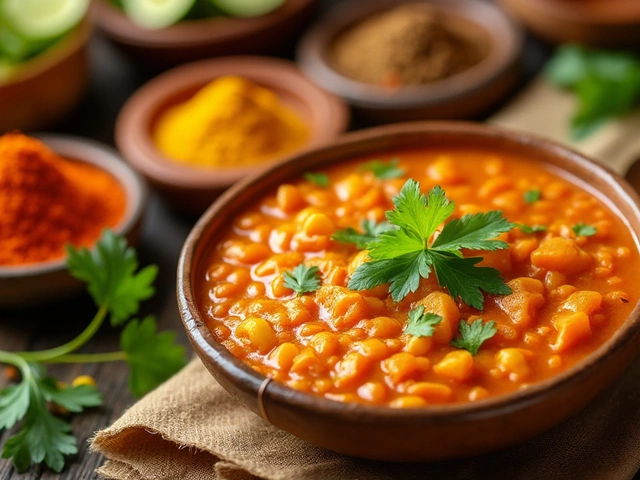
Some people think whey is only useful for bodybuilders. But in Indian homes, it’s been a kitchen staple for generations. You’ll find it in recipes for lentil soups, a simple, everyday dish where whey replaces water to add body and protein, or in sweet dishes like shrikhand, where it’s strained further to make a thicker yogurt base. Even in baking, whey helps bread rise better and keeps it moist longer. It’s not about replacing milk or water. It’s about using what you already have, better.
Below, you’ll find real recipes from Indian kitchens that use whey—not as a last resort, but as a smart, tasty choice. From breakfasts to snacks to everyday meals, these dishes turn what’s usually thrown away into something worth keeping. No gimmicks. No fancy ingredients. Just practical ways to eat smarter, waste less, and taste better.