Vegetable Biryani
When you think of vegetable biryani, a fragrant, layered rice dish from India made with spiced vegetables, basmati rice, and whole spices. Also known as veg biryani, it’s one of the most loved vegetarian meals across India—not just for its taste, but because it’s a complete meal in one pot. Unlike plain rice or simple curries, vegetable biryani builds flavor in layers: toasted spices, caramelized onions, marinated veggies, and rice cooked just until al dente before being steamed together. It’s not just food—it’s a technique.
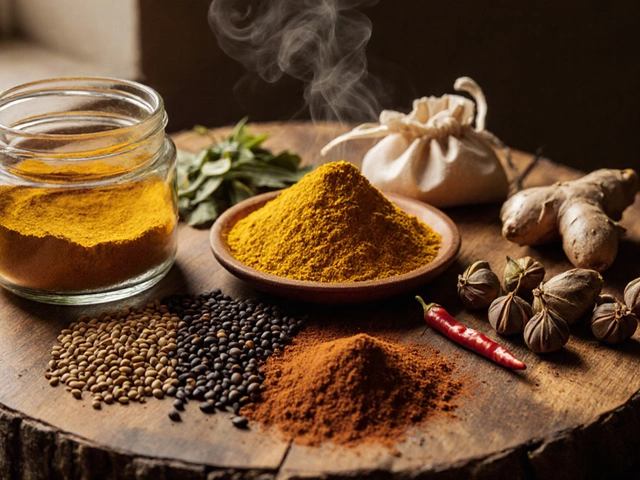
The magic of a good vegetable biryani starts with the rice. You need long-grain basmati, soaked and par-cooked just right—too soft and it turns mushy, too hard and it stays crunchy. Then there’s the spice mix: whole cumin, cardamom, cloves, cinnamon, and bay leaves toasted in ghee or oil to wake up their oils. Many skip this step, but that’s where the flavor hides. The vegetables? They’re not just tossed in. Carrots, peas, potatoes, and cauliflower are often lightly fried or blanched first to lock in texture. And the onions—thinly sliced and fried until deep golden—are the secret sweet base that ties everything together.
You’ll find vegetable biryani made differently in every region. In Hyderabad, it’s layered with saffron milk and fried nuts. In Kolkata, a touch of potato and boiled egg shows British influence. In Tamil Nadu, they use coconut oil and curry leaves. But no matter where, the goal is the same: each grain of rice should be separate, each bite layered with aroma, and the whole dish should smell like a spice market on a cool evening. It’s not just about cooking—it’s about timing, patience, and knowing when to let steam do the work.
People often ask if you need meat to make biryani feel rich. The answer? No. A well-made vegetable biryani has more depth than most chicken versions. The key is in the layering—spices on the bottom, veggies in the middle, rice on top, then a seal of dough or foil before steaming. That’s what traps the steam and lets the flavors marry. Skip the steaming, and you’re just eating spiced rice with veggies. Get it right, and you’ve got something that lingers in your memory long after the plate is clean.
What you’ll find in the posts below are real, tested ways to make vegetable biryani better—whether you’re using a pot on the stove, an Instant Pot, or even a pressure cooker. You’ll learn how to avoid soggy rice, how to toast spices without burning them, why soaking the rice matters more than you think, and which vegetables hold up best under steam. You’ll also see how to make it vegan, how to prep ahead, and how to fix it if it turns out too salty or too dry. This isn’t theory. These are the tricks used in homes across India, not restaurants.