Unhealthy Naan: What Makes Naan Unhealthy and How to Eat It Better
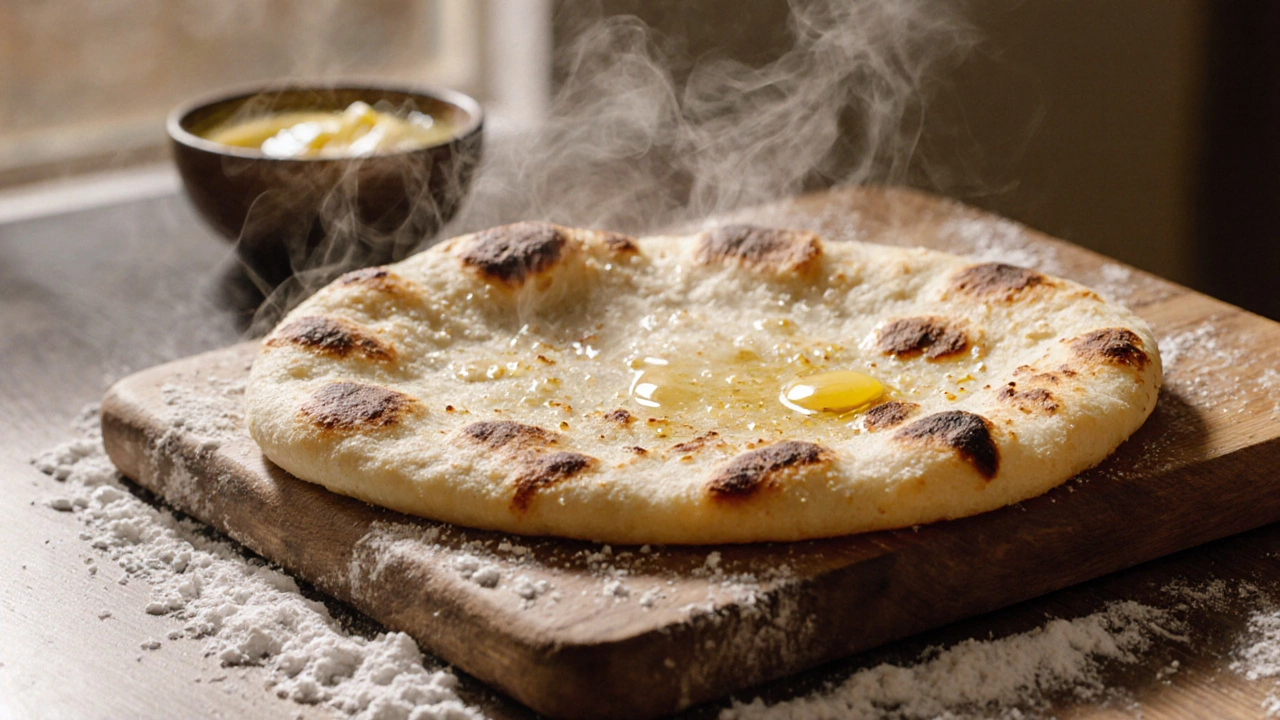
When you think of unhealthy naan, a soft, buttery Indian flatbread often served in restaurants with rich curries. Also known as tandoori naan, it's a staple at Indian tables—but what’s hidden in that fluffy bread might be costing you more than just calories. Most restaurant naan is made with white flour, ghee or butter, sugar, and sometimes milk powder. That’s not just flavor—that’s a dense package of refined carbs, saturated fat, and hidden sugars. It’s not the naan itself that’s bad. It’s how it’s made.
Compare that to the naan your grandma might have made at home: whole wheat flour, a touch of yogurt, maybe a little oil, baked in a tandoor. No sugar. No butter slathered on top after baking. That version? It’s just bread. But most places today add butter to the dough, then brush more on top after baking, and sometimes even fry it lightly to get that golden crisp. That’s not tradition—that’s profit. And it turns a simple flatbread into something that spikes blood sugar and adds empty calories fast.
It’s not just the fat. The flour matters too. White flour is stripped of fiber and nutrients. That’s why you feel full for five minutes, then hungry again. And if you’re eating naan with butter chicken or paneer tikka masala, you’re stacking on calories without realizing it. A single piece of restaurant naan can have 250–350 calories. That’s almost half your lunch right there—before the curry even hits your plate.
But here’s the good news: you don’t have to give up naan. You just need to know what to look for. Look for naan made with whole wheat. Ask if they use ghee or oil. Skip the versions with garlic butter or cheese stuffed inside. If you’re cooking at home, swap white flour for atta or whole wheat, cut the butter in half, and skip the sugar. You’ll still get that soft, chewy texture—but without the guilt.
The real issue isn’t naan. It’s how we’ve turned a simple, everyday bread into a loaded indulgence. When you understand what makes naan unhealthy, you can make smarter choices—whether you’re ordering at a restaurant or rolling out dough in your kitchen. You’re not giving up flavor. You’re reclaiming control.
Below, you’ll find real posts that break down exactly what’s in your naan, how to spot the unhealthy versions, and simple swaps that make a big difference—without losing the taste you love.