Unhealthiest Food in India: What to Avoid and Why
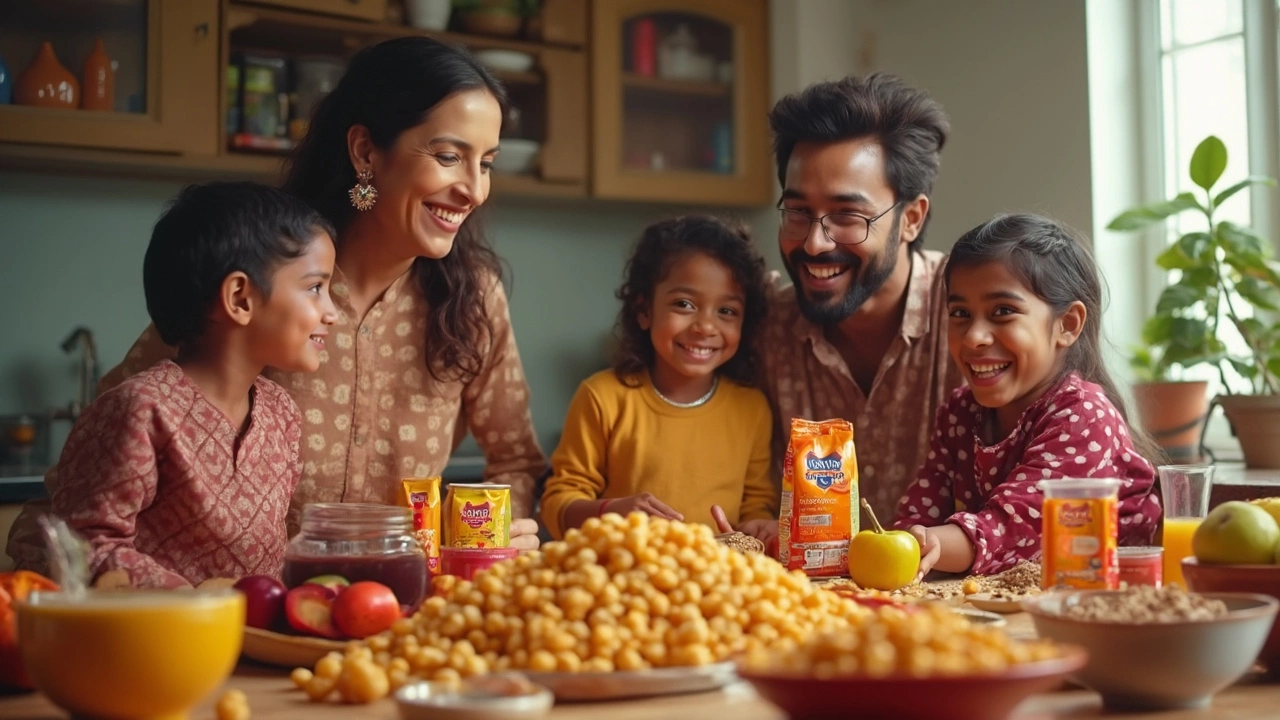
When people think of unhealthiest food, foods high in refined carbs, trans fats, sugar, and deep-fried oils that contribute to weight gain and chronic disease. Also known as junk food, it’s often mistaken for everyday Indian meals—but many of these dishes are not traditional, they’re modern distortions. Indian cuisine has deep roots in balance, spices, and whole ingredients. But over the last few decades, convenience, mass production, and restaurant menus have pushed some of the most calorie-dense, nutrient-poor versions of classic dishes into the spotlight.
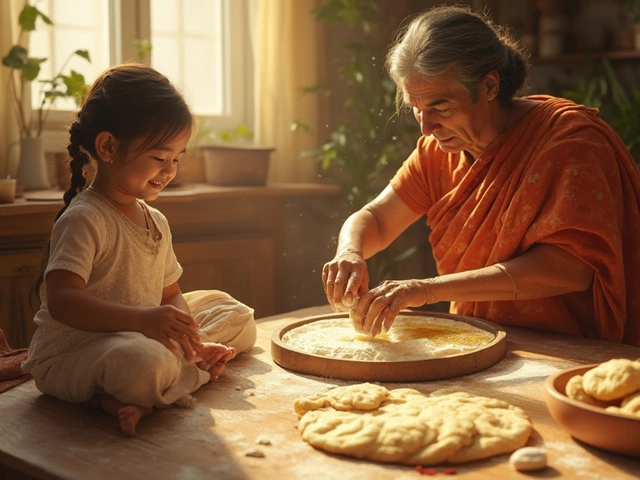
Take naan, a leavened flatbread often made with refined flour, butter, sugar, and sometimes milk or eggs. Also known as restaurant bread, it’s not the same as roti. While roti is simple flour and water, naan is a dessert in bread form—loaded with empty calories and little fiber. Then there’s the fried snacks, like samosas, pakoras, and bhajjis, often deep-fried in reused oil and made with refined flour batter. Also known as street food temptations, they’re crispy, addictive, and regularly served without a second thought—even though they spike blood sugar and clog arteries.
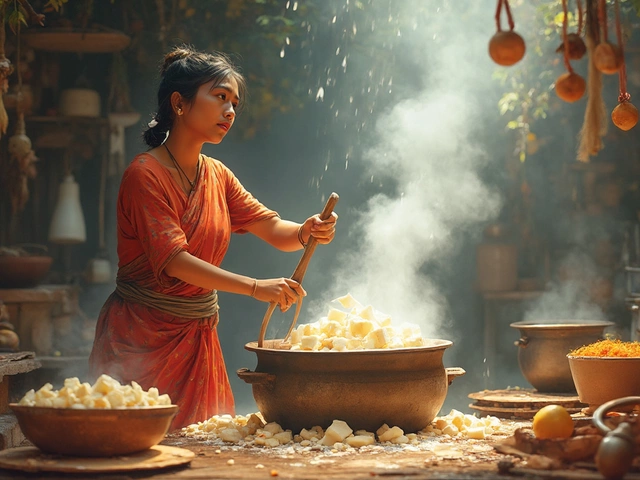
Don’t forget the sugary sweets, traditional desserts like jalebi, mysore pak, and gulab jamun, made with sugar syrup, refined flour, and ghee. Also known as festive treats, they’re not just occasional indulgences anymore—they’re daily snacks in many homes. One piece can have more sugar than a soda. And let’s not ignore the processed Indian meals, packaged masalas, ready-to-eat curries, and frozen parathas loaded with preservatives, salt, and hidden oils. Also known as time-saver meals, they’re marketed as convenient but strip away nutrition for shelf life.
These aren’t the dishes your grandparents ate. They’re the ones pushed by fast-food chains, hotel buffets, and social media influencers who confuse indulgence with authenticity. Real Indian food uses spices to heal, lentils to nourish, and vegetables to sustain. But when you swap ghee for hydrogenated oil, jaggery for white sugar, and fresh dough for pre-made dough, you’re not eating Indian food—you’re eating something else entirely.
The good news? You don’t have to give up flavor to eat better. Many of the posts below break down exactly what makes certain dishes unhealthy, why they’re popular, and how to enjoy them without the guilt. You’ll learn why naan is a problem, how to spot fried snacks masquerading as snacks, and which sweets are worth the splurge—and which are just sugar traps. You’ll also find healthier swaps that still taste like home. This isn’t about restriction. It’s about reclaiming the real taste of India—without the aftereffect.