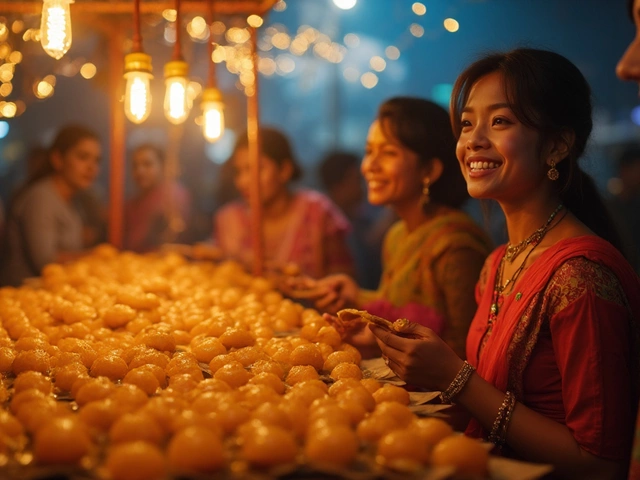
Traditional Indian Sweets: Authentic Flavors, History, and Recipes
Explore the enchanting world of traditional Indian sweets, from their fascinating origins to must-try classics. Get tips, fun facts, and recipe guidance to satisfy your sweet tooth.
When you think of a traditional Indian sweet, a category of handmade desserts made with sugar, jaggery, milk, and nuts, often tied to festivals and family rituals. Also known as mithai, it's not just dessert—it's culture on a plate. These aren’t the sugary pastries you find in Western bakeries. They’re slow-cooked, hand-rolled, and often made with ingredients you won’t find in a standard grocery store—like jaggery, khoya, and sugar syrup boiled to just the right consistency.
What makes a traditional Indian sweet, a category of handmade desserts made with sugar, jaggery, milk, and nuts, often tied to festivals and family rituals. Also known as mithai, it's not just dessert—it's culture on a plate. stand out isn’t just taste—it’s technique. Take jaggery, unrefined cane sugar with a deep, molasses-like flavor used in many regional sweets like gur wale ladoo and til ladoo. It’s not just a substitute for white sugar—it brings color, depth, and a distinct earthiness that granulated sugar can’t match. Then there’s khoya, milk solids reduced over hours until thick and creamy, the base for barfi, peda, and kalakand. You can’t rush it. You can’t replace it with condensed milk and expect the same result. And sugar syrup, boiled to specific stages—thread, soft ball, hard ball—to determine the texture of each sweet? That’s science, not guesswork. Get the temperature wrong, and your mysore pak turns rubbery instead of meltingly soft.
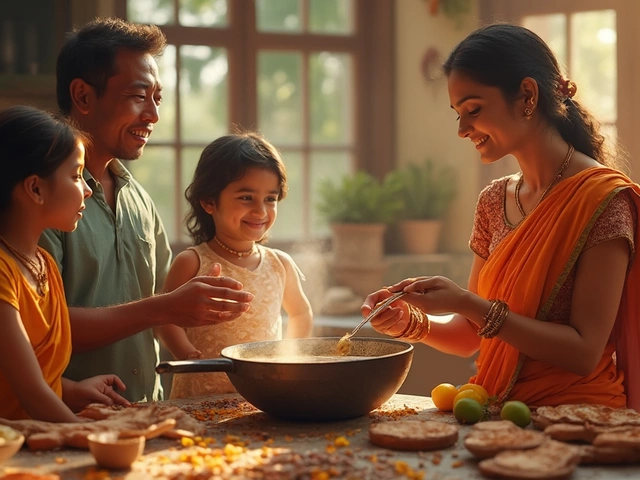
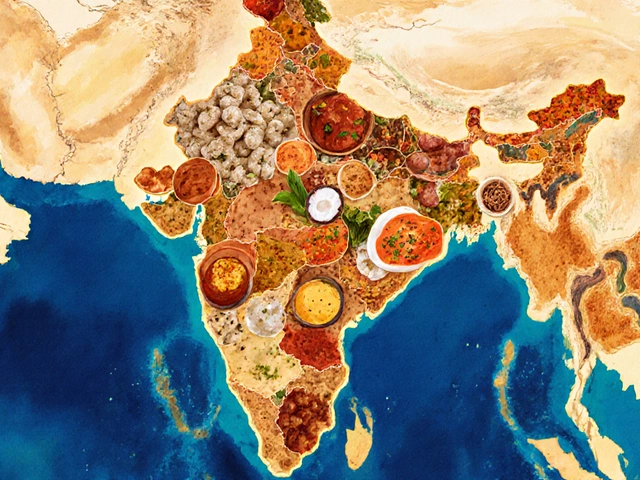
These sweets aren’t just eaten—they’re given. Given during Diwali to neighbors, during weddings to guests, during births to relatives. Each region has its own version: Bengal’s rosogolla soaked in syrup, Gujarat’s dhokla-style mithai, South India’s payasam made with rice and cardamom. Even the tools matter—brass pots, wooden molds, hand-ground nuts. You can’t replicate this with a stand mixer and a microwave. The magic is in the patience, the smell of ghee toasting, the sound of syrup bubbling, the way the dough pulls just right when rolled.
That’s why so many recipes fail when people swap jaggery for white sugar or skip soaking the khoya. The flavor profile changes. The texture collapses. The soul of the sweet is gone. What you end up with isn’t a traditional Indian sweet—it’s just something sweet. The real ones? They stick to your fingers, linger on your tongue, and stay in your memory long after you’ve finished eating.
Below, you’ll find real recipes, honest fixes, and the truth about what goes into these sweets—not just what’s on the label. No fluff. No shortcuts. Just what works.
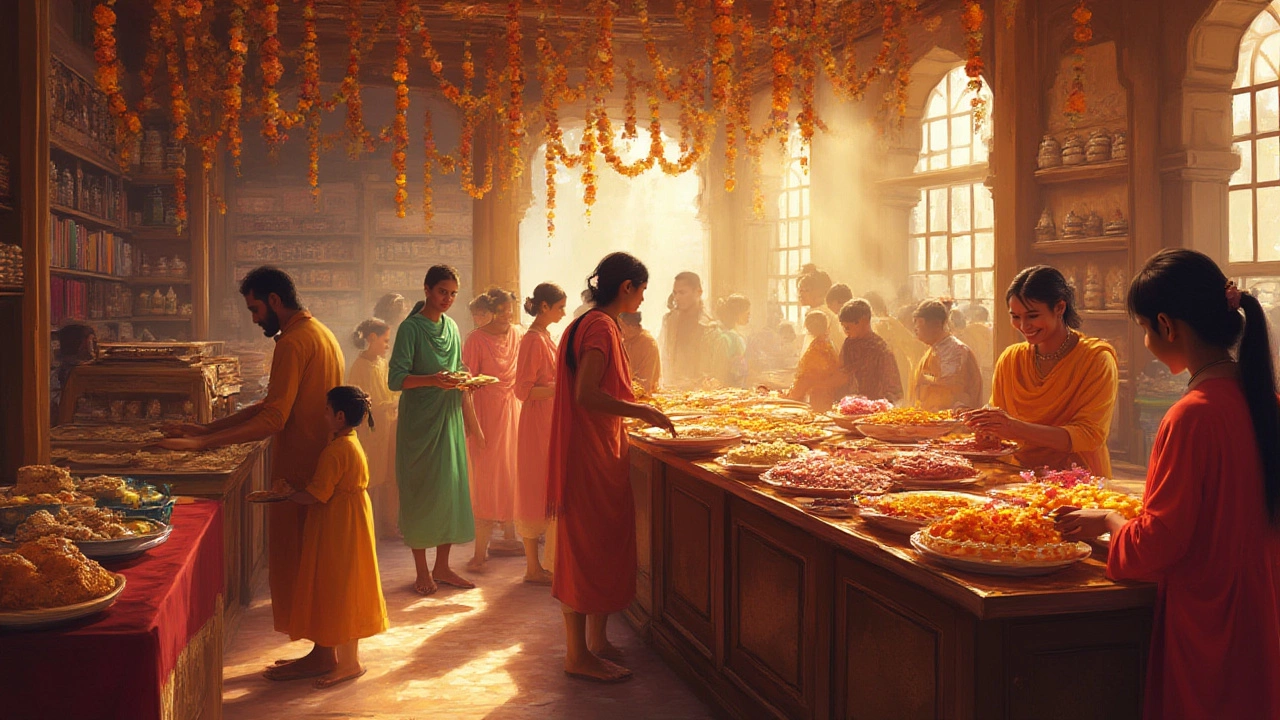
Explore the enchanting world of traditional Indian sweets, from their fascinating origins to must-try classics. Get tips, fun facts, and recipe guidance to satisfy your sweet tooth.