Sweet Spice in Indian Cooking: What It Is and How It Shapes Every Dish
When you think of sweet spice, a blend of warm, caramel-like flavors that elevate both desserts and savory dishes in Indian cooking. Also known as warm sweetness, it's not just about sugar—it's the way jaggery, cardamom, and slow-cooked syrups create depth without overpowering. In Indian kitchens, sweet spice is the quiet hero behind everything from sticky mysore pak to the faint hint of warmth in a bowl of dal. It’s not added for shock value. It’s added because it balances heat, salt, and tang—making food feel complete.
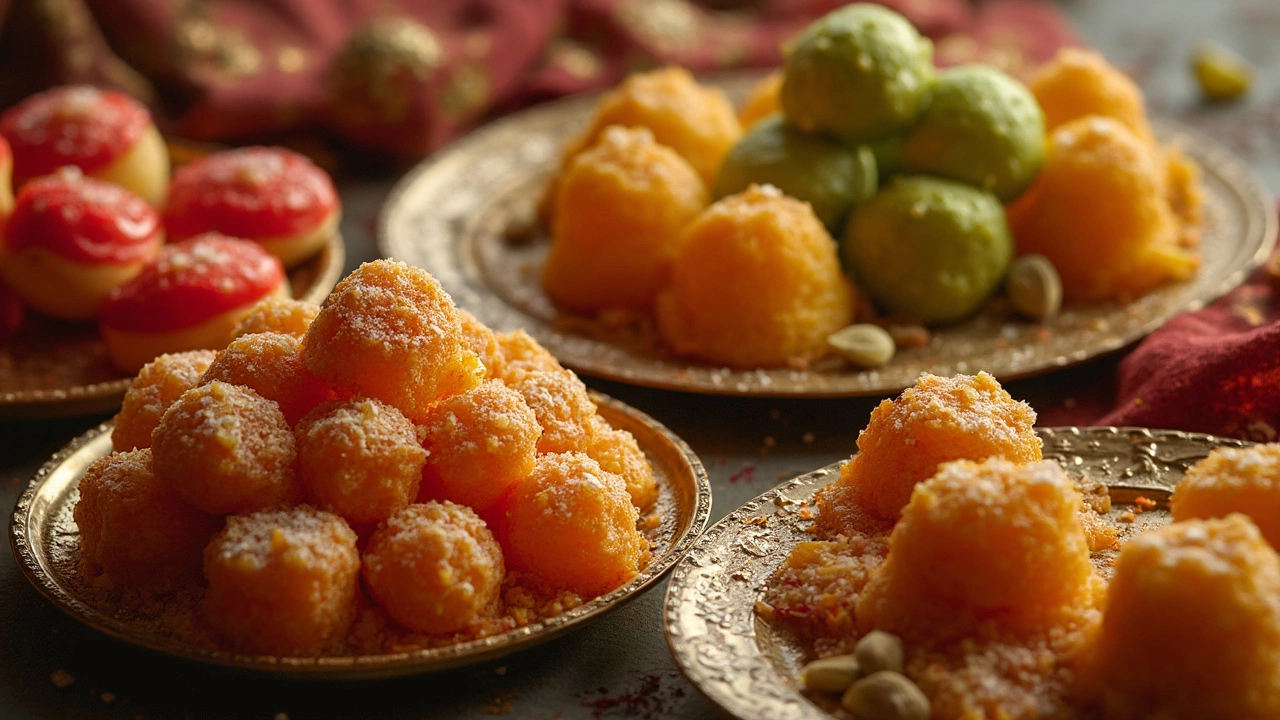
Think of jaggery, an unrefined cane sugar used across India in sweets, chutneys, and even lentil dishes. Also known as gur, it’s not just a substitute for white sugar—it brings molasses richness, iron, and a deep earthiness that granulated sugar can’t match. Then there’s cardamom, a fragrant spice that adds floral sweetness without sugar, often crushed into milk, rice, or chai. Also known as elaichi, it’s the scent of Indian homes during festivals and family meals. These aren’t just ingredients. They’re tools. Used together, they turn simple milk into kheer, plain flour into gulab jamun, and even roasted vegetables into something that lingers on the tongue.
Indian cooking doesn’t treat sweet spice as an afterthought. It’s built into the rhythm of the meal. A pinch in biryani balances the cumin and cloves. A spoonful in tamarind chutney cuts the sourness. Even in savory dishes like dal tadka, a tiny bit of jaggery rounds out the spices. This isn’t tradition for tradition’s sake—it’s science. Sugar caramelizes under heat. Spices bloom in oil. And when they meet, they create something greater than the sum of their parts.
What you’ll find in the posts below isn’t just dessert recipes. It’s the story of how sweet spice works—why jaggery beats white sugar in Indian sweets, how to avoid grainy syrup, why cardamom isn’t just for tea, and what happens when you skip the sugar entirely. You’ll learn how to make paneer taste better with a hint of sweetness, why dosa batter needs a touch of jaggery to ferment right, and how the darkest tandoori chicken gets its flavor from spice blends that include sugar. This isn’t about making things sweeter. It’s about making them better.