Using Spoiled Milk to Make Curd - Safe Tips & How‑to Guide
Learn if spoiled milk can be turned into safe, tasty curd, with step‑by‑step instructions, safety checks, and a quick guide to making paneer.
When milk goes sour, most people throw it out. But in Indian kitchens, spoiled milk curd, the natural thickening of milk through lactic acid fermentation. Also known as curd, it's not a mistake—it's a method. For generations, Indian households have used slightly soured milk to make yogurt, paneer, and even fermented batters for dosa and idli. It’s not about letting milk go bad on purpose—it’s about understanding how heat, time, and bacteria turn something ordinary into something essential.
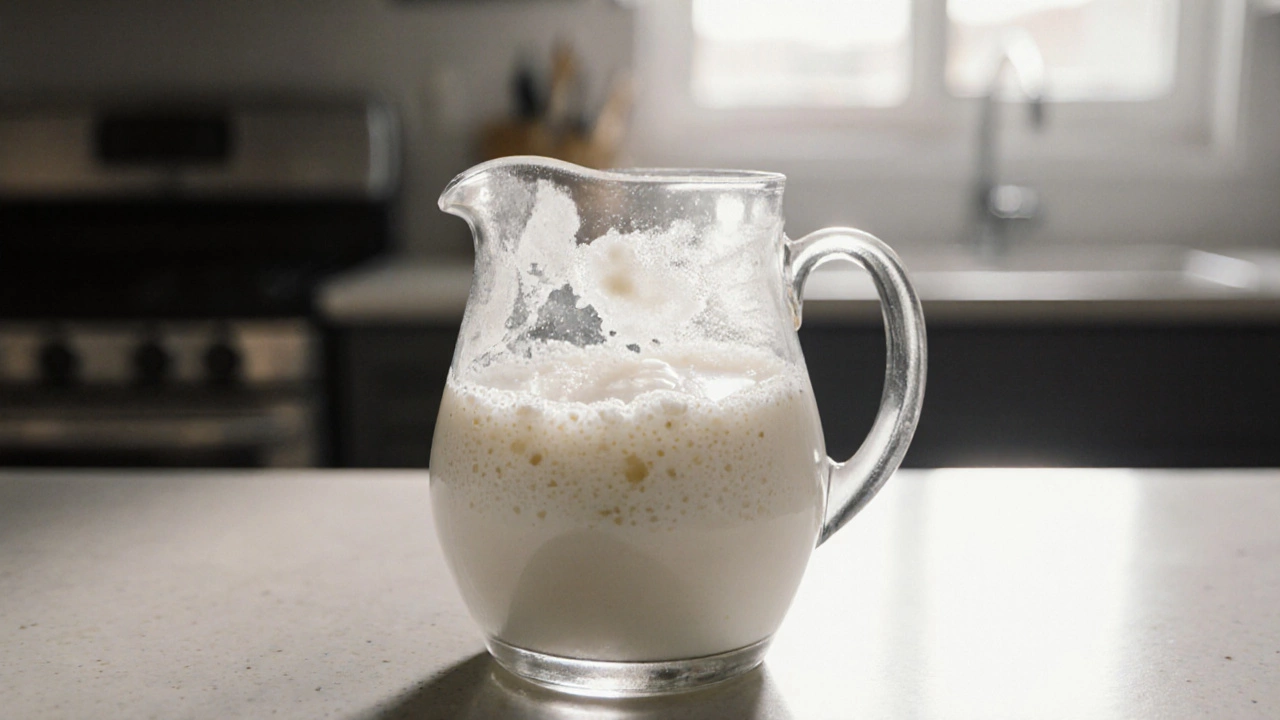
This isn’t magic. It’s science. When milk sits at room temperature, naturally present bacteria like Lactobacillus feed on lactose and produce lactic acid. That acid lowers the pH, causing the proteins to clump together—forming curds. The whey separates, and what’s left is thick, tangy, and packed with probiotics. In places where refrigeration was rare, this was the only way to preserve milk. Today, it’s still the fastest, cheapest way to make yogurt without starters. And if you’ve ever made paneer at home, you’ve used this same process: heat the soured milk, add a little lemon juice or vinegar, and you get fresh cheese. Homemade curd, the traditional Indian version of yogurt made without commercial cultures tastes different than store-bought because it’s alive with native bacteria. It’s tangier, creamier, and better for digestion. That’s why so many Indian families still make it daily.
What you call spoiled, Indian cooks call ready. This mindset shows up everywhere—in the fermentation of dosa batter, the use of sour buttermilk in raita, or even in the way some regions make chhena for sweets. Milk fermentation, the controlled souring of milk to create food isn’t just a technique—it’s a cultural rhythm. You don’t need fancy tools. Just a warm spot, a clean pot, and patience. The key? Don’t rush it. Too cold, and it won’t set. Too hot, and you kill the good bacteria. Room temperature, covered with a cloth, overnight—that’s all it takes.
And here’s the thing: you don’t need to buy yogurt. If your milk is about to expire, let it sit. If it’s thick and smells pleasantly sour, you’ve got curd. No additives, no preservatives, no cost. That’s why so many Indian recipes start with this. From tadka dal to lassi, from marinating chicken to making sweet payasam, curd is the quiet backbone. It tenderizes, it cools, it adds depth. It’s not just a side—it’s a tool.
What you’ll find in these posts isn’t just recipes. It’s the stories behind how Indian kitchens turn waste into wisdom. You’ll learn how much milk you really need to make paneer, why yogurt marinades shouldn’t be rinsed off, and how fermentation timing affects everything from dosa to idli. These aren’t tricks—they’re traditions refined by generations of cooks who knew that nothing goes to waste, and everything has a purpose. Spoiled milk curd? It’s not a problem. It’s the start of a meal.
Learn if spoiled milk can be turned into safe, tasty curd, with step‑by‑step instructions, safety checks, and a quick guide to making paneer.