How Long Should I Soak Dal Before Cooking? Best Times for Every Type
Learn the right soaking times for different types of dal to cook faster, digest better, and get creamy results every time. No more hard lentils or bloating.
When you soak dal, the process of letting dried lentils sit in water before cooking. Also known as pre-soaking lentils, it’s not just an old-school step—it’s the secret to tender, digestible dal that doesn’t leave you feeling heavy. Skip it, and you might end up with chalky, undercooked lentils or a stomachache. Do it right, and your dal becomes creamy, cooks faster, and unlocks more nutrients.
Soaking dal, dried split lentils used daily across India in dishes like dal tadka and sambar helps break down phytic acid and enzyme inhibitors that block nutrient absorption. That means more iron, zinc, and protein actually make it into your body. It also cuts cooking time by up to 40%, which saves gas, electricity, and time. This isn’t just about convenience—it’s about eating smarter. Many home cooks in India skip this step because they think it’s optional, but if you’ve ever had a pot of dal that never softened, you know it’s not.
The water temperature, soaking duration, and even the type of dal matter. Moong dal might need just 2 hours, while urad dal often needs 6–8. Some people add a pinch of salt or a splash of lemon juice to the soaking water—it helps with softening and reduces flatulence. And yes, rinsing after soaking isn’t optional either. That slimy film on top? It’s not dirt—it’s the stuff your body doesn’t need. Wash it off.
Soaking lentils, a category of legumes including masoor, chana, and toor dal also affects the final texture of your dish. If you’re making dal makhani, you want that melt-in-your-mouth richness. If you’re making a thick tadka, you need the lentils to hold shape just enough. Soaking sets the foundation. No amount of stirring or pressure cooking can fix under-soaked dal.
You’ll find this step in nearly every traditional Indian recipe for lentils—even the ones that don’t say it outright. The cooks who’ve been doing this for decades don’t write it down because they assume everyone knows. But if you’re new to Indian cooking, or if your dal keeps coming out gritty, this is the missing piece.
Below, you’ll find real, tested advice from home kitchens across India. No fluff. No theory. Just what works: how long to soak each kind of dal, what happens if you skip it, how to tell when it’s ready, and how to fix common mistakes. Whether you’re making a quick weekday meal or a weekend special, getting the soak right changes everything.
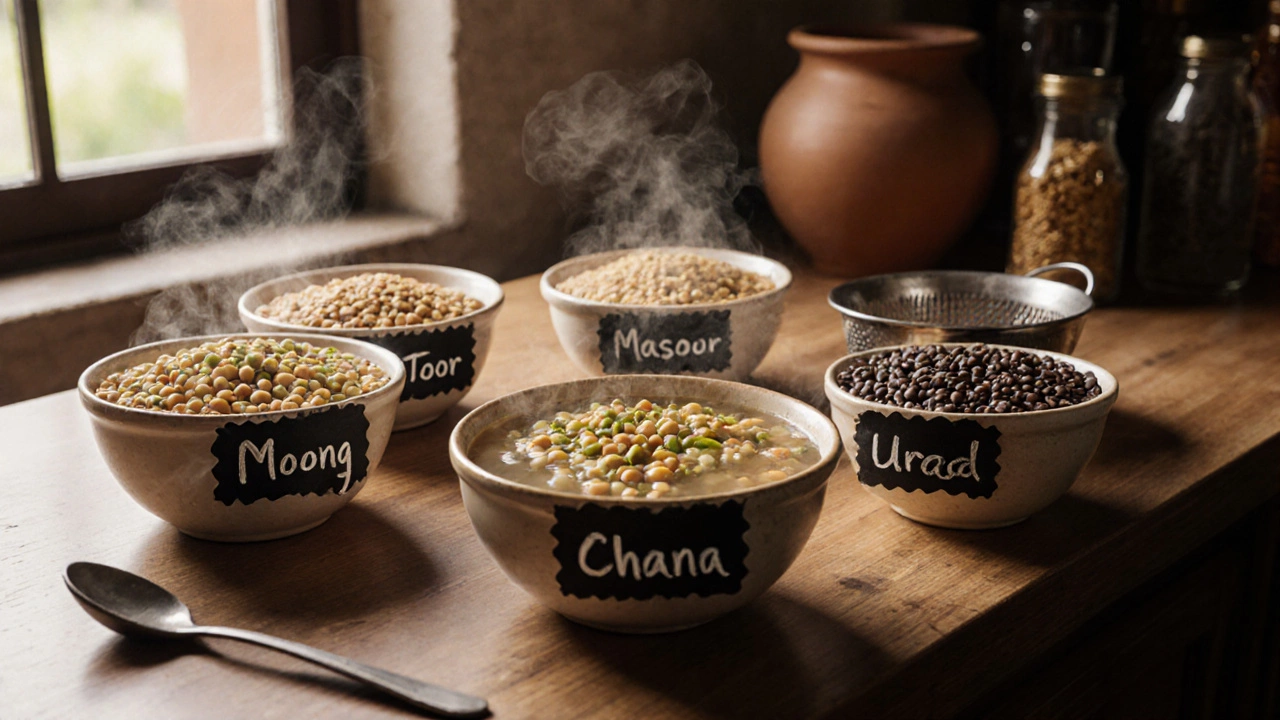
Learn the right soaking times for different types of dal to cook faster, digest better, and get creamy results every time. No more hard lentils or bloating.