Safe to Eat: What Indian Foods Are Actually Safe and How to Tell
When it comes to safe to eat, food that won’t harm your health after preparation, handling, or sourcing. Also known as food safety, it’s not just about avoiding germs—it’s about knowing what’s hidden in your spices, oil, and even your fruit. Many assume Indian food is automatically safe because it’s cooked hot and served fresh. But that’s not always true. Pesticides on apples, unclean oil for dosas, or over-marinated chicken can turn a comforting meal into a health risk.
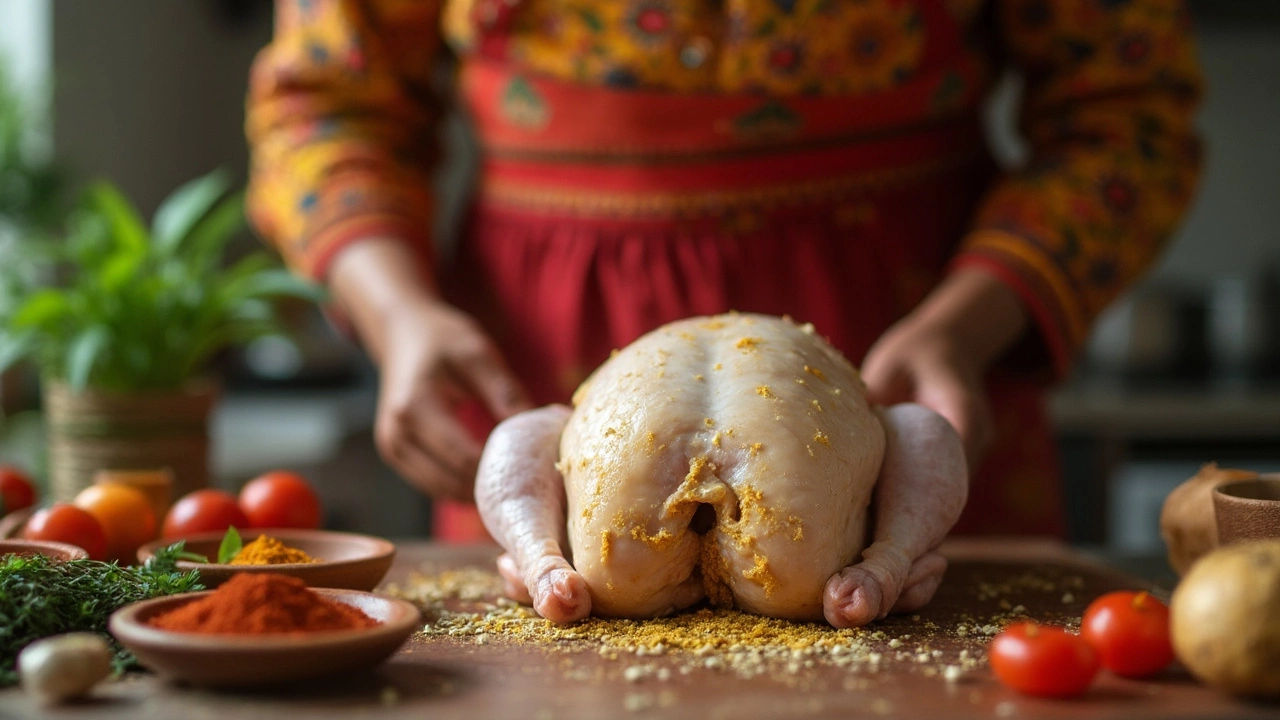
Take apples in India, a common fruit often imported or grown with heavy pesticide use. You can eat them safely—but only if you know how to wash them right. Not all scrubbing works. Cold water alone won’t remove wax or chemicals. A baking soda soak? That’s the real trick. Or consider tandoori chicken, a dish where the blackened inside isn’t burnt—it’s caramelized spice from high heat. Is it safe? Yes, if the meat reached 74°C. But if it’s undercooked and charred from a dirty grill? That’s a different story. Then there’s paneer, fresh cheese made from milk and acid, often homemade. It’s safe if the milk was boiled and the curds drained properly. Skip that step? You’re risking bacteria.
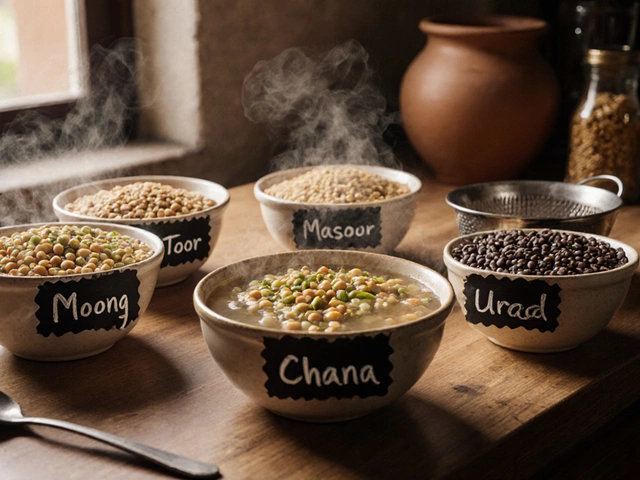
Even simple things like dal soaking, the practice of soaking lentils before cooking to reduce phytic acid and improve digestibility. Skipping it doesn’t just make your dal harder—it can cause bloating and reduce nutrient absorption. And what about the oil for dosa, the fat used to fry this crispy breakfast bread. Using low-quality or reused oil? That’s adding trans fats and toxins to your meal. Groundnut or coconut oil? Those are the safe choices. You don’t need to be a chef to make your food safer—you just need to know what to look for.
The posts below cover exactly these kinds of questions. You’ll find out why your chicken turns black inside, whether your yogurt marinade should be rinsed off, how to pick apples without pesticide residue, and why soaking your dal matters more than you think. No guesswork. No myths. Just clear, practical answers based on how real Indian kitchens work—home and street alike. If you’ve ever paused before taking a bite and wondered, "Is this safe?"—you’re in the right place.