Rice Tips: Essential Tricks for Perfect Indian Rice Every Time
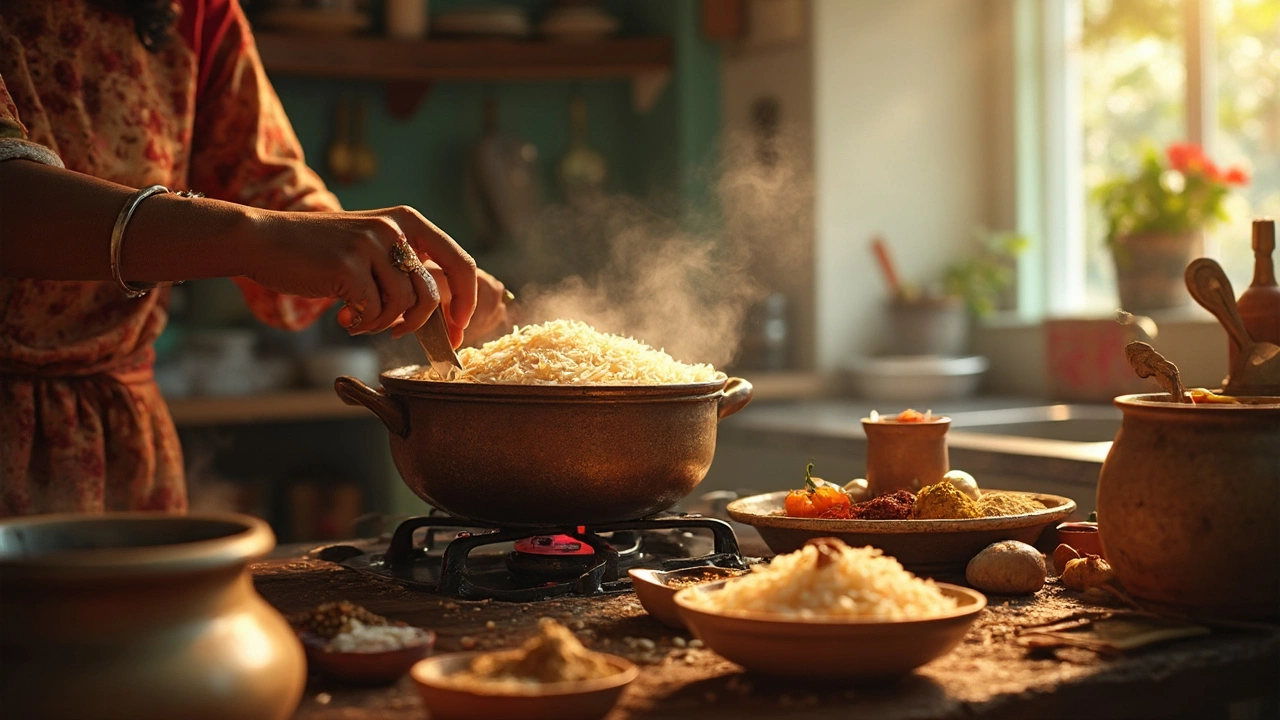
When you think of Indian rice, the staple grain that anchors meals from Kerala to Punjab. Also known as pulao, biryani rice, or simply chawal, it’s not just food—it’s the foundation of flavor, texture, and tradition in Indian kitchens. Most people mess up rice because they treat it like pasta—boil it and drain. But in Indian cooking, rice isn’t boiled. It’s soaked, rinsed, timed, and steamed with care. The difference between good rice and great rice? It’s not the recipe. It’s the rice tips you skip.
Take basmati rice, the long-grain king of Indian rice, prized for its aroma and separate, fluffy grains. If you skip rinsing it, you get sticky, gummy rice. If you don’t soak it for at least 30 minutes, the grains won’t elongate properly. And if you cook it on high heat the whole time? You’ll end up with burnt bottoms and undercooked centers. Real Indian cooks rinse until the water runs clear, soak it like tea, then cook it with just the right amount of water—never more, never less. The same goes for biryani rice, the star of layered, spiced rice dishes where each grain must hold its shape. You don’t just cook it—you parboil it, drain it, and finish it with steam. That’s why your biryani tastes like restaurant food when you get the rice right.
It’s not just about the grain. It’s about timing, temperature, and technique. Soaking dal? That’s one thing. But rice? It needs its own rhythm. Too much water? Mush. Too little? Crunchy. Wrong heat? Burnt. And don’t even get started on using a lid that doesn’t seal—steam escapes, and so does flavor. The best rice in India isn’t made with fancy gadgets. It’s made by people who know that rice tips aren’t optional—they’re the difference between a meal and a memory.
Below, you’ll find real advice from actual Indian kitchens. No fluff. No theory. Just what works: how much water to use, how long to soak, why you shouldn’t stir, and how to fix overcooked rice without starting over. Whether you’re making lemon rice for lunch, biryani for guests, or plain steamed rice to go with dal, these posts give you the exact steps that matter. No guesswork. Just results.