Processed Foods in Indian Cooking: What’s Real, What’s Not
When we talk about processed foods, foods altered from their natural state through methods like canning, freezing, or adding preservatives. Also known as ultra-processed items, these are common in modern pantries—but they’re not part of traditional Indian cooking. For generations, Indian households made meals from scratch: soaking lentils overnight, grinding spices fresh, fermenting batter for dosa, and churning yogurt into paneer. These aren’t just recipes—they’re habits built on knowing what’s real and what’s just convenient.
Take paneer, a fresh Indian cheese made by curdling milk with lemon juice or vinegar. Also known as Indian cottage cheese, it’s a staple in curries, snacks, and street food. You can buy it pre-packaged, but it’s often filled with stabilizers and tastes flat. Making it at home takes 20 minutes and needs just milk and acid. Same with dal tadka, a simple lentil dish cooked with cumin, garlic, and turmeric. Store-bought versions sometimes contain MSG, artificial colors, or thickening agents that mask the true flavor of lentils. Indian food doesn’t need fancy additives—it thrives on timing, heat, and fresh ingredients.
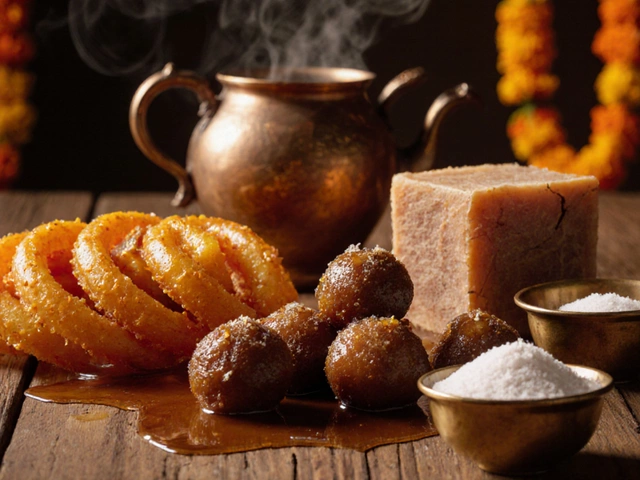
Look at the posts below. You’ll find answers to questions like: Why does roti have to be round? (It’s physics, not tradition.) What sugar do Indian sweets really use? (It’s jaggery, not just white sugar.) How much milk do you need to make paneer? (It’s not a guess—it’s science.) These aren’t trendy hacks. They’re old-school truths that modern packaging has tried to bury. The goal isn’t to scare you off packaged goods. It’s to help you see what’s hiding in plain sight—and give you the power to choose what goes on your plate.