Best Oil for Dosa: Which One Gives You Crispy, Perfect Dosas Every Time
Discover the best oil for dosa to get crispy, golden results every time. Learn why groundnut and coconut oils work best, what to avoid, and how to use them properly.
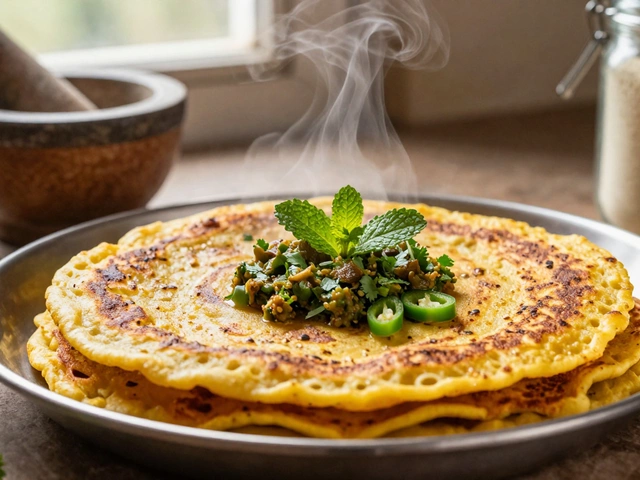
When you're making oil for crispy dosa, the fat you use directly controls whether your dosa turns out flaky and crisp or soft and soggy. Also known as frying oil for dosa, it's not just about heat—it's about smoke point, flavor, and how the oil interacts with fermented batter. Skip the cheap options and you’ll see the difference in texture, color, and crunch.
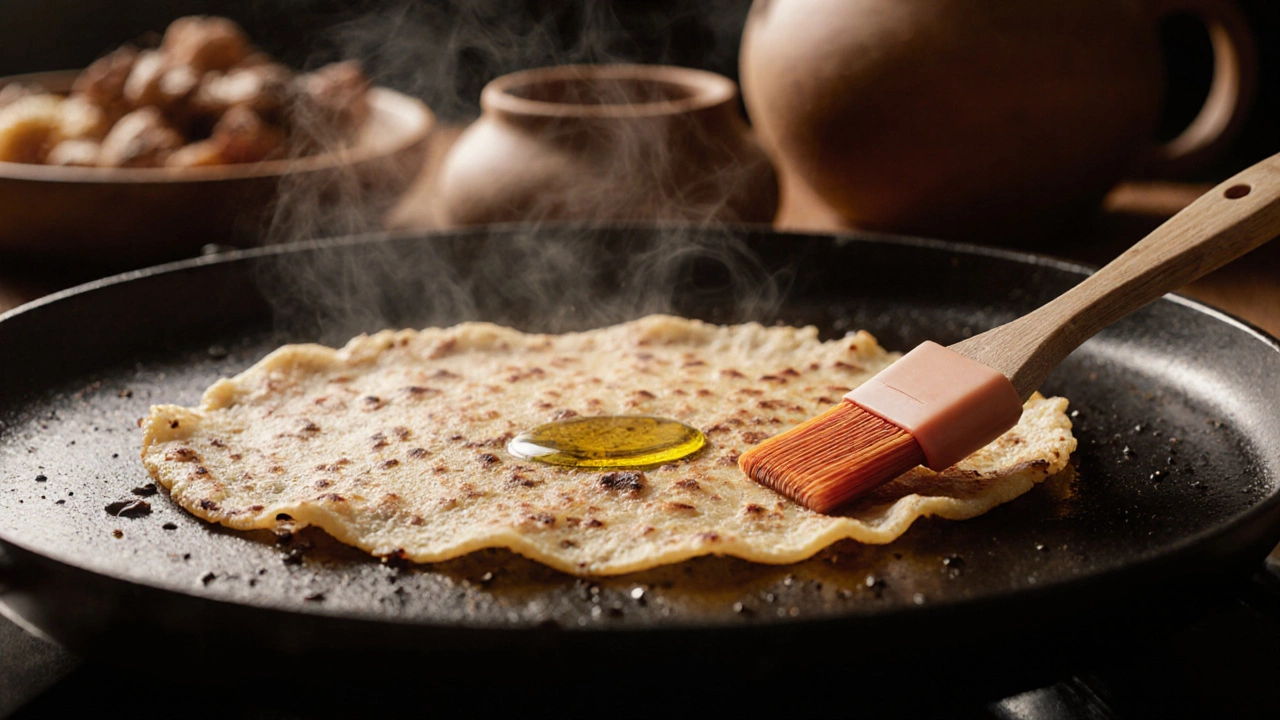
The best oil for crispy dosa is usually coconut oil, a traditional choice in South India that adds a subtle sweetness and high smoke point for even browning. But if you prefer a neutral taste, sunflower oil, with its light texture and ability to crisp without overpowering works just as well. Avoid olive oil—it’s too low in smoke point and will burn before your dosa crisps. And never use butter or ghee alone; they brown too fast and leave greasy spots. The trick? Use just enough oil to coat the pan—about a tablespoon for a standard dosa—and spread it thinly with a cloth or paper towel. Too much oil, and you’re making a fry, not a dosa.
But oil alone won’t save bad batter. Your dosa batter, a fermented mix of rice and urad dal, needs to be bubbly, airy, and slightly sour. If it’s thick or hasn’t fermented long enough, no oil in the world will make it crisp. The ideal batter should pour like thin cream and hold tiny air pockets. Ferment it overnight in a warm spot—around 80°F—and you’ll get the lift that lets the oil do its job. Heat the pan until a drop of water sizzles and evaporates instantly. Then add oil, swirl, and pour the batter. The oil should shimmer, not smoke. Cook on medium-high, flip once, and let the edges curl up naturally. That’s when you know it’s perfect.
You’ll find posts here that break down exactly how long to ferment your batter, why temperature matters, and which oils Indian home cooks swear by across Karnataka, Tamil Nadu, and Kerala. Some use peanut oil for its nutty crunch. Others stick to rice bran oil for its neutrality. One post even explains why your dosa sticks—not because of the oil, but because your pan isn’t seasoned right. Another shows how to fix soggy dosas by adjusting the batter’s water ratio. There’s no magic trick. Just the right oil, the right batter, and the right heat. And once you get those three in sync, you’ll make dosas that crackle when you lift them—just like they do in street stalls in Mysore or Chennai.
Discover the best oil for dosa to get crispy, golden results every time. Learn why groundnut and coconut oils work best, what to avoid, and how to use them properly.