Naan Disadvantages: Why This Bread Isn't Always the Best Choice
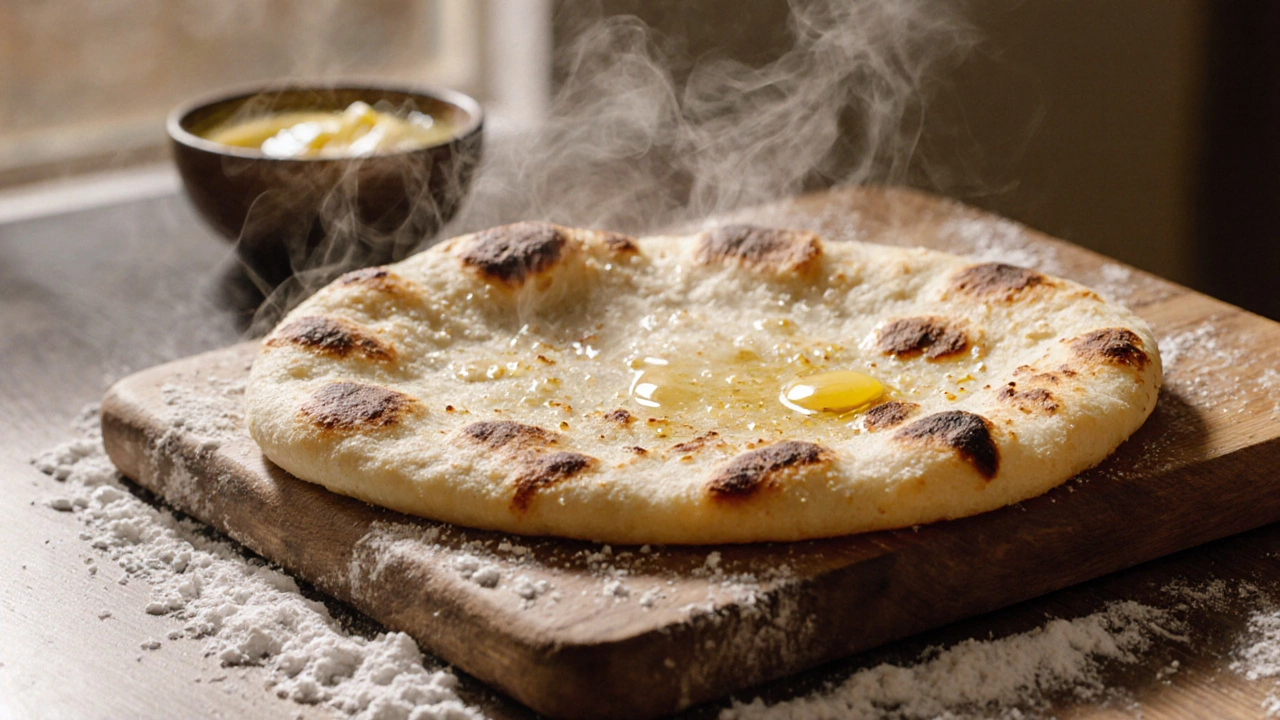
When you think of Indian bread, naan, a soft, leavened flatbread baked in a tandoor oven. Also known as tandoori bread, it’s the star of many Indian meals—but it’s not without its downsides. While it’s fluffy, buttery, and perfect for scooping up curry, naan comes with trade-offs that most people don’t talk about. If you’re eating it regularly, you might be consuming more calories, refined carbs, and unhealthy fats than you realize.
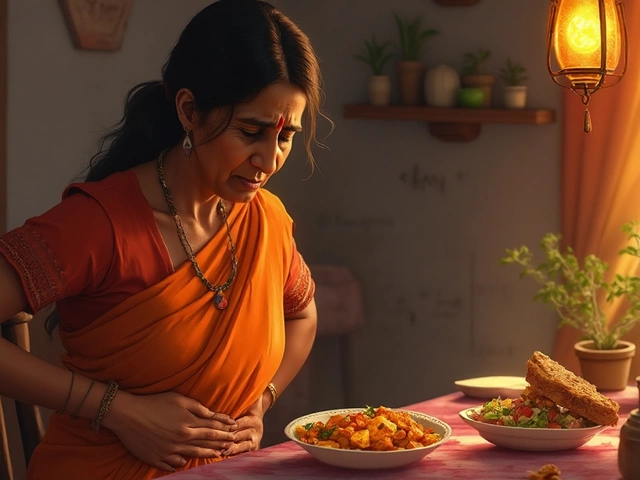
One of the biggest naan disadvantages is its calorie density. A single piece can pack 200 to 300 calories, mostly from white flour, ghee, and sometimes sugar. Compare that to roti, which uses whole wheat and needs little to no oil—roti gives you fiber and slower-digesting carbs without the heavy burden. Naan’s texture comes from yeast and sometimes milk or yogurt, but that also means it’s less digestible for some people. If you’ve ever felt bloated after a naan-heavy meal, it’s not just the curry—it’s the bread itself.
Then there’s the cooking method. Traditional naan is baked in a clay oven and brushed with butter or ghee right after baking. Even restaurant versions that claim to be "light" often use the same fat-heavy technique. Homemade naan can be healthier if you skip the butter and use whole wheat flour, but most people don’t. That’s why roti, a simple, unleavened flatbread made from whole wheat flour and water. Also known as chapati, it is a far more common choice in everyday Indian homes. Roti doesn’t need fancy equipment, doesn’t require extra fat, and keeps you full longer. It’s not glamorous like naan, but it’s smarter for your body.
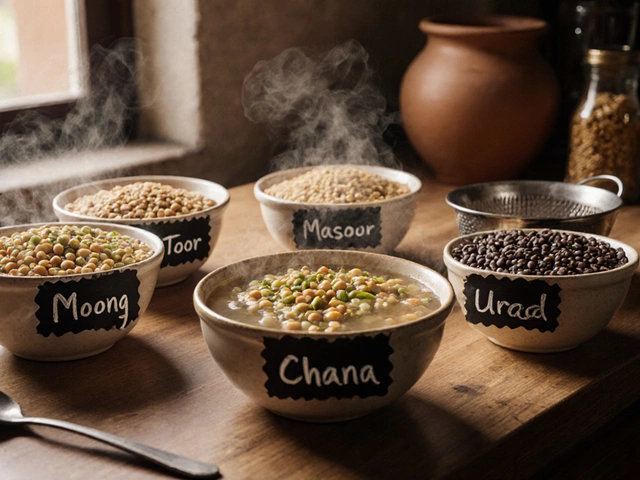
Another hidden issue? Sodium. Many store-bought or restaurant naans contain baking soda or powder, which adds sodium. If you’re watching your blood pressure or trying to cut back on processed ingredients, that matters. Even if you’re not, why add unnecessary salt to something that doesn’t need it? Meanwhile, dishes like dal tadka, chana masala, or even plain rice with yogurt give you flavor without the bread overload.
Naan isn’t bad—it’s just not always the right choice. It’s a treat, not a staple. If you love it, enjoy it occasionally. But if you’re eating it daily, you’re missing out on simpler, healthier Indian bread options that have been around for centuries. The real magic of Indian cuisine isn’t in the buttery bread—it’s in the balance. And that balance starts with asking: Do I really need naan, or is there something better?
Below, you’ll find real discussions from people who’ve swapped naan for better options, learned how to make lighter versions, or discovered why their favorite curry tastes better with roti instead. These aren’t theory posts—they’re practical, lived-in truths from cooks who’ve been there.