How to Make Biryani Tastier: Pro Tips for Richer Flavor and Perfect Texture
Learn how to make biryani tastier with pro tips on rice prep, spice toasting, layering, and resting. Transform your biryani from good to unforgettable.
When you make biryani tastier, you’re not just adding more spice—you’re balancing heat, aroma, texture, and time to create a dish that lingers on the palate. It’s a layered experience, not a one-step recipe. Many think biryani is just rice and meat cooked together, but the real magic happens in the details: how you toast the spices, how long you soak the rice, and whether you let the layers rest before cooking. This isn’t guesswork—it’s technique.
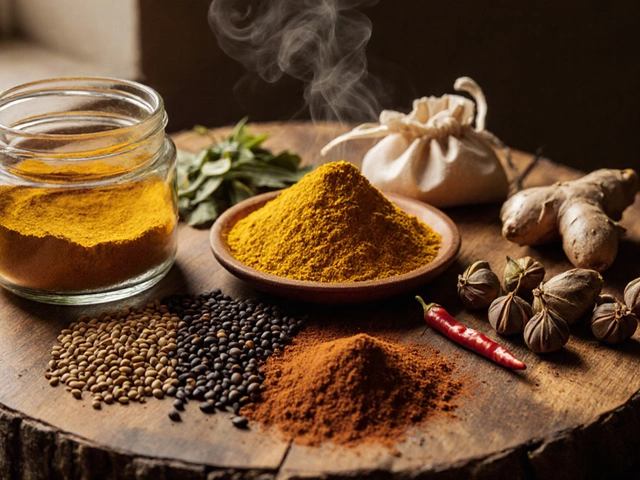
Biryani spices, like whole cardamom, cloves, and bay leaves, need to be bloomed in hot oil before anything else hits the pot. Whole spices release oils slowly, giving depth that ground spices can’t match. Skip this step, and your biryani tastes flat, no matter how much salt you add. Then there’s the rice for biryani, usually long-grain basmati, soaked for 30 minutes to prevent breakage and ensure fluffy grains. Basmati rice isn’t optional—it’s the foundation. Undercooked rice turns mushy; overcooked rice turns to paste. You need that perfect bite.
Marination matters too. If you’re using chicken or lamb, don’t just toss it in yogurt and turmeric. Let it sit for at least four hours, preferably overnight. The yogurt tenderizes, while garlic, ginger, and a touch of lemon juice lift the flavor. And don’t forget the layering technique, where rice and meat alternate with fried onions, saffron milk, and fresh mint. Dum cooking—sealing the pot with dough or a tight lid and cooking on low heat—lets steam carry the aromas through every layer. This is how you get that signature fragrance that pulls people to the table.
People often think more chili = better biryani. But the best versions have balance. A pinch of saffron soaked in warm milk, a sprinkle of rose water at the end, or even a single fried cashew on top can elevate it from good to unforgettable. It’s not about quantity—it’s about intention. The dishes below show real home cooks who’ve cracked the code: how to fix bland biryani, how to get that golden crust on the bottom, and how to make it taste like your grandmother’s without spending all day in the kitchen.
You’ll find no fluff here—just what works. Whether you’re using a pressure cooker, stove, or oven, these tips adapt. The goal? A biryani that smells like a street stall in Lucknow, tastes like a family celebration, and leaves you reaching for seconds. Ready to make yours taste like it’s been simmering for hours—even if it took you 90 minutes?

Learn how to make biryani tastier with pro tips on rice prep, spice toasting, layering, and resting. Transform your biryani from good to unforgettable.