Healthiest Ways to Cook Lentils: Simple Dal Recipes & Nutrition Tips
Discover the healthiest ways to cook lentils with simple dal recipes, nutrition tips, and step‑by‑step guides that keep protein, fiber, and iron intact.
When you think of lentils, a small, lens-shaped legume that’s a cornerstone of Indian meals. Also known as dal, it’s one of the most common plant-based proteins in Indian homes and one of the oldest foods humans have ever cooked. Unlike fancy superfoods, lentils don’t need a marketing team—they speak for themselves. A single cup of cooked lentils gives you nearly 18 grams of protein and 15 grams of fiber, all for under 250 calories. No supplements. No gimmicks. Just pure, simple nutrition that’s been feeding families in India for centuries.
Lentils nutrition isn’t just about protein. They’re loaded with iron, folate, magnesium, and slow-digesting carbs that keep blood sugar steady. That’s why they’re a go-to for vegetarians, diabetics, and anyone trying to eat clean without meat. In Indian cooking, lentils aren’t just side dishes—they’re the foundation. Dal tadka, sambar, khichdi, even simple moong dal with rice—all rely on lentils to deliver energy, fullness, and flavor without oil or cream. And unlike processed snacks, lentils actually help your gut. The fiber feeds good bacteria, reduces bloating, and keeps digestion smooth.
Not all lentils are the same. Red lentils cook fast and turn creamy—perfect for soups and dals. Green and brown lentils hold their shape, great for salads and stews. Black lentils, or urad dal, are the ones used for dosa batter and vadas. Each type has a slightly different nutrient profile, but they all deliver the same core benefits: heart health, better digestion, and stable energy. You won’t find a single Indian household that doesn’t use lentils at least three times a week. And it’s not tradition—it’s science.
What’s missing from most nutrition blogs? The real-world context. Lentils aren’t eaten in isolation. They’re paired with rice, roti, or yogurt. They’re tempered with cumin, garlic, and curry leaves. That’s not just flavor—it’s synergy. The spices help your body absorb iron better. The carbs in rice balance the protein for complete amino acids. That’s why Indian meals with lentils work so well—they’re designed by centuries of trial and error, not lab tests.
So if you’ve been wondering whether lentils are worth the effort, the answer is yes. They’re cheap, shelf-stable, quick to cook, and packed with what your body actually needs. Whether you’re trying to cut meat, manage weight, or just eat better, lentils are the quiet hero of Indian kitchens. Below, you’ll find real recipes and tips from people who cook them every day—not just nutritionists, but moms, grandmas, and street vendors who know exactly how to make lentils taste good and work for your health.
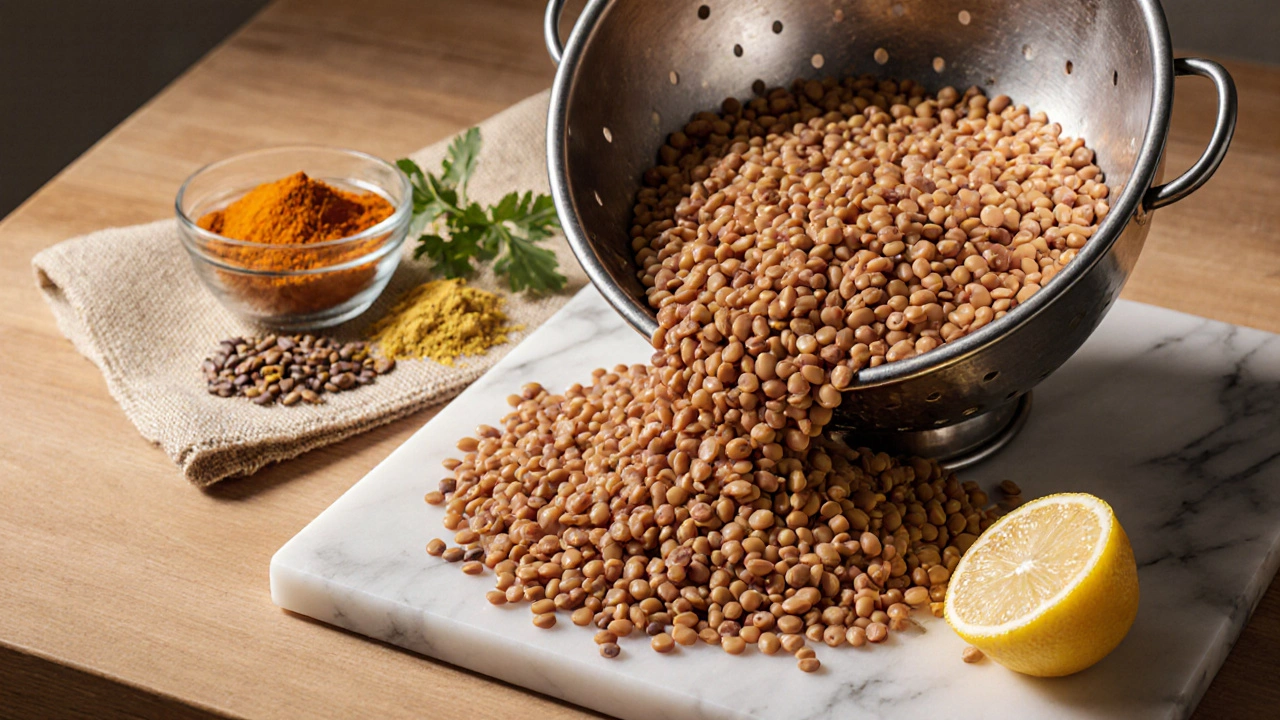
Discover the healthiest ways to cook lentils with simple dal recipes, nutrition tips, and step‑by‑step guides that keep protein, fiber, and iron intact.